
Custom rugs are a unique way to personalize any space while adding texture, color, and warmth. Among natural fiber options, sisal rugs stand out due to their durability, eco-friendliness, and aesthetic versatility. Whether you are furnishing a living room, bedroom, or office, understanding the materials, design options, and maintenance of custom sisal rugs ensures that you make an informed choice. These rugs not only enhance the interior but also contribute to sustainable and responsible design practices.
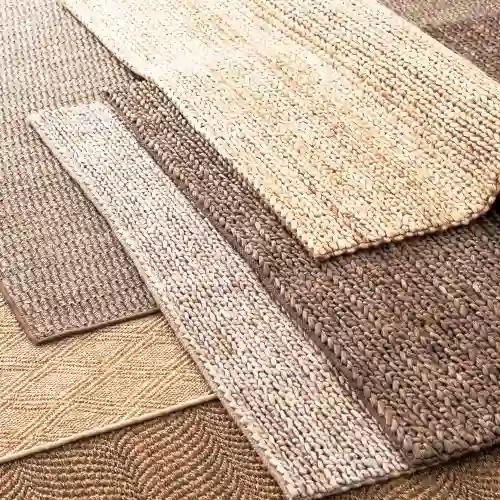
Sisal, derived from the Agave sisalana plant, is known for its strength and natural beauty. It offers a firm texture that can withstand heavy foot traffic while maintaining its appearance. Customization allows homeowners and designers to select specific dimensions, patterns, colors, and finishing techniques, making each rug a unique statement piece. Unlike mass-produced options, custom sisal rugs offer flexibility and individuality, making them ideal for both residential and commercial interiors.
In addition to aesthetics, sisal rugs are eco-friendly and hypoallergenic. Their natural fibers reduce exposure to synthetic chemicals and allergens, contributing to healthier indoor environments. Proper selection, installation, and care are essential for maximizing both longevity and appearance.
The Benefits of Choosing Custom Sisal Rugs for Personalized Interior Design
Opting for custom sisal rugs allows complete control over size, shape, and color, making it possible to perfectly complement your existing décor. These rugs are available in various weave styles, textures, and densities, allowing you to choose a rug that balances softness and durability. Customization ensures that the rug fits your space precisely, eliminating gaps or awkward placements that standard rugs might create.
Additionally, custom rugs reflect personal style. From minimalist geometric patterns to intricate designs, the possibilities are nearly endless. Selecting a custom sisal rug also supports sustainability, as you are often able to choose eco-friendly dyes and natural fibers that have a lower environmental footprint compared to synthetic alternatives.
Understanding Different Natural Fibers Like Sea Grass Carpet for Texture and Durability
While sisal is a popular choice for its resilience, other natural fibers like sea grass carpet offer unique textures and benefits. Sea grass has a softer texture than sisal, which makes it comfortable underfoot while still being strong and moisture-resistant. Its smooth finish and slightly glossy appearance give a luxurious feel to interiors.
Comparing fibers helps in making an informed decision:
- Sisal: Durable, coarse texture, eco-friendly, ideal for high-traffic areas.
- Sea Grass: Softer, more flexible, naturally resistant to moisture, suitable for bedrooms or living spaces.
- Jute: Soft but less durable, often used as a decorative rug overlay.
- Coir: Firm and rough, excellent for entrance mats.
Understanding the fiber characteristics allows you to choose the right rug for the desired balance between comfort, durability, and visual appeal.
How to Select the Right Color Palette with Options Such as White Carpet
Color is a critical element in rug selection. A white carpet can brighten a room, create a sense of spaciousness, and complement a wide range of furniture styles. Lighter shades like ivory, beige, or soft gray are ideal for minimalist or Scandinavian interiors, while darker tones help hide stains and wear in high-traffic areas.
When choosing a color palette, consider:
- Room Size: Light colors enlarge small rooms visually.
- Lighting: Natural light can enhance or fade certain shades.
- Furniture and Decor: Coordinate with wall colors, furnishings, and accents.
- Maintenance: Lighter rugs require more frequent cleaning but offer a fresh aesthetic.
A white carpet provides a neutral base, allowing you to layer other textures, textiles, and furniture colors effectively.
Techniques for Precise Carpet Stitching and Finishing
High-quality carpet stitching ensures durability, prevents fraying, and enhances the visual appeal of custom rugs. Several stitching techniques are commonly used:
- Overlock Stitching: Encases edges to prevent unraveling, ideal for high-traffic areas.
- Hand Binding: Adds a decorative finish and strengthens edges for long-lasting use.
- Machine Stitching: Efficient for large rugs, ensuring uniformity and structural integrity.
- Fringe Finishing: Adds decorative appeal while keeping fibers secure.
Proper carpet stitching complements the design and ensures the rug withstands everyday wear and tear. Skilled stitching is especially important for custom dimensions, where precision is required.
How Custom Rugs Can Enhance Both Residential and Commercial Spaces
Custom rugs are not just decorative—they serve practical purposes in both homes and offices. In residential settings, they define areas, add warmth, and reduce noise. They also create focal points in living rooms, bedrooms, or entryways. In commercial spaces, custom rugs improve acoustics, enhance branding through color and design, and create a welcoming atmosphere.
The versatility of custom sisal rugs means they can be adapted to various functions:
- Defining Zones: Use rugs to visually separate seating, dining, or work areas.
- Comfort Underfoot: Natural fibers provide cushioning while being durable.
- Aesthetic Appeal: Tailored designs complement office interiors or client-facing spaces.
Custom rugs offer a blend of style and function, creating a cohesive environment wherever they are placed.
Maintenance Tips for Preserving Natural Fiber Rugs
Natural fiber rugs require specific care to maintain their beauty:
- Vacuum Regularly: Use a brush attachment to prevent fiber damage.
- Rotate Rugs: Even out wear from foot traffic and sunlight exposure.
- Blot Spills Immediately: Avoid rubbing, which can push liquids deeper.
- Use Padding: Place underlays or rug pads to prevent shifting and reduce wear.
- Professional Cleaning: Periodically have rugs professionally cleaned for deep maintenance.
Following these practices extends the rug’s life, preserves texture, and maintains color vibrancy.
The Environmental Benefits of Choosing Sustainable Materials
Natural fiber rugs, including sisal and sea grass, are renewable and biodegradable, offering an eco-friendly alternative to synthetic carpets. Choosing sustainable materials helps reduce reliance on petroleum-based products and minimizes indoor chemical exposure. Many natural fiber rugs are grown and processed using minimal water and chemicals, contributing to responsible consumption and reducing environmental impact.
Sustainable rugs also align with modern design principles that prioritize green building practices and environmentally conscious interiors. Selecting materials thoughtfully ensures your home or office is both stylish and sustainable.
Matching Custom Sisal Rugs with Existing Furniture and Flooring
Integrating custom rugs into your existing décor requires attention to scale, proportion, and color harmony:
- Scale: Ensure the rug size complements furniture dimensions without overwhelming the room.
- Color Coordination: Match or contrast colors with furniture, walls, and other textiles for balance.
- Layering: Combine rugs for texture and visual interest, particularly in open-plan spaces.
- Functionality: Place rugs strategically to protect flooring and define zones without obstructing movement.
By thoughtfully matching rugs to your interiors, you create cohesive and visually appealing spaces.
Tips for Ordering and Measuring Rugs for the Perfect Fit
Accurate measurements are crucial when ordering custom rugs. Follow these guidelines:
- Measure the intended space precisely, including furniture placement.
- Account for rug borders and any additional spacing for walking paths.
- Consider rug shape: rectangular, round, or custom shapes depending on the room layout.
- Confirm dimensions with the supplier before finalizing the order.
Accurate measurements ensure the custom rug fits perfectly, eliminating gaps or awkward overlaps and enhancing the room’s aesthetic.
Understanding the Lifespan and Durability of Custom Natural Fiber Rugs
Custom natural fiber rugs are designed for long-term use. Sisal’s coarse fibers and dense weave make it resistant to wear and tear, while sea grass provides flexibility and softness. Durability depends on factors like:
- Foot traffic intensity
- Fiber quality and weave density
- Proper installation and maintenance
- Exposure to sunlight and moisture
With correct care, custom rugs can maintain their appearance and structural integrity for a decade or more, making them a worthwhile investment in both beauty and functionality.
Conclusion
Custom sisal rugs are an ideal solution for those seeking both style and sustainability in their interior design. By understanding natural fiber options, selecting appropriate colors, ensuring precise stitching, and maintaining the rug properly, you can create a unique and durable addition to any space. Whether used in residential or commercial interiors, these rugs offer texture, warmth, and eco-friendly benefits that enhance both aesthetics and comfort.
FAQs
How are custom sisal rugs made?
Custom sisal rugs are crafted from natural fibers that are woven, dyed, and stitched to specified dimensions, shapes, and patterns, ensuring a unique and durable product.
What are the advantages of sea grass carpet?
Sea grass carpet offers a softer texture, natural moisture resistance, and a smooth, slightly glossy appearance suitable for comfortable interiors.
How do I clean and maintain a white carpet?
Regular vacuuming, prompt spot cleaning, gentle detergents, and occasional professional cleaning help preserve the color and texture of a white carpet.
What is the best technique for carpet stitching?
Carpet stitching techniques like overlock, hand binding, machine stitching, and fringe finishing enhance durability, prevent fraying, and improve the rug’s aesthetic.
Can custom rugs be used in high-traffic areas?
Yes, rugs made from durable fibers like sisal can withstand moderate to heavy foot traffic, especially with proper maintenance and underlay protection.
Are natural fiber rugs eco-friendly?
Yes, natural fiber rugs like sisal and sea grass are renewable, biodegradable, and require fewer chemicals during production compared to synthetic alternatives.
How do I measure for a custom rug?
Measure the intended space accurately, consider furniture placement, and confirm dimensions with the supplier before ordering to ensure a perfect fit.
How long do custom sisal rugs last?
With proper care and maintenance, custom sisal rugs can last 10–15 years or more, depending on foot traffic, environment, and fiber quality.
Why choose custom sisal rugs?
Custom sisal rugs provide personalized design options, sustainable materials, and durability suitable for residential and commercial interiors.
What is the advantage of using a white carpet?
A white carpet brightens rooms, complements various decor styles, and creates a neutral base for layering textures and colors.
How does carpet stitching impact rug durability?
Proper carpet stitching prevents fraying, maintains structure, and ensures the rug withstands everyday use.
What makes sea grass carpet different from sisal?
Sea grass carpet is softer, has a smoother finish, and is naturally resistant to moisture, making it ideal for comfortable, low-maintenance spaces.