
When it comes to flooring options, natural materials are increasingly favored for their durability, aesthetic appeal, and environmental benefits. Among these, sisal flooring stands out as a versatile and eco-friendly choice. Derived from the fibers of the Agave sisalana plant, sisal offers a combination of strength, texture, and natural beauty that can transform both residential and commercial spaces. Whether you are renovating a home, designing a new office, or looking for a sustainable flooring option, understanding sisal flooring’s characteristics and benefits is crucial.
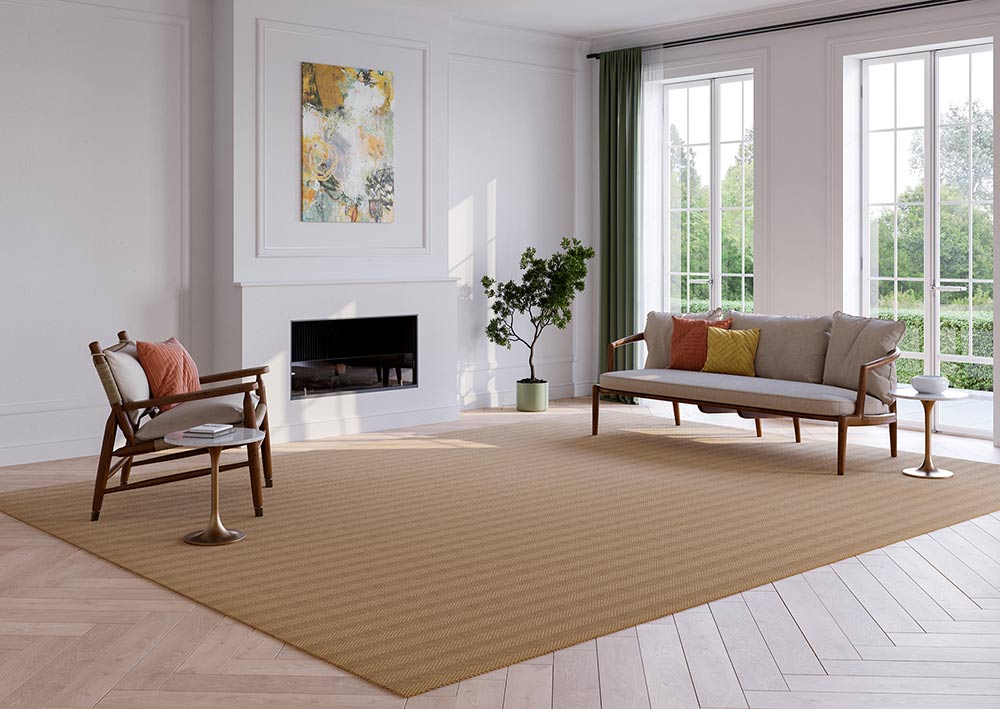
Sisal flooring has a unique texture that is both tactile and visually appealing. Its natural fibers give it a firm, slightly rough surface that complements a variety of interior styles, from rustic and traditional to modern and minimalist. Beyond aesthetics, sisal is valued for its resilience. It can withstand moderate to heavy foot traffic while maintaining its appearance over time. This makes it an ideal choice for high-traffic areas such as living rooms, hallways, and commercial spaces.
Additionally, sisal flooring is environmentally friendly and sustainable. The plant grows quickly, requires minimal water, and produces fibers that are biodegradable. Unlike synthetic alternatives, it contributes less to pollution and chemical waste. However, proper installation, maintenance, and thoughtful selection of underlays and complementary materials are key to maximizing its lifespan and performance.
Understanding the Unique Textures and Durability of Sisal Flooring in Various Environments
Sisal flooring is known for its distinctive texture, which is firm yet flexible. The natural fiber weaves create a subtle pattern that adds depth and warmth to any space. This texture also provides a non-slip surface, making it safer in areas prone to moisture or heavy foot traffic. Sisal’s durability comes from the fibrous nature of the plant itself. The fibers are resistant to wear, tearing, and deformation, allowing the flooring to last for many years when properly maintained.
The durability of sisal flooring can vary depending on the environment. In residential settings, it holds up well under normal foot traffic, but placing it in kitchens or bathrooms without proper treatment may lead to staining or moisture damage. In commercial spaces, high-traffic areas such as corridors, waiting rooms, and offices benefit from sisal’s resilience, but choosing the right underlay and protective treatments is essential to prevent premature wear. Sisal’s natural resistance to static electricity also makes it suitable for spaces where electronic equipment is in use.
Comparing Sisal Flooring with Other Natural and Synthetic Flooring Options
When deciding on flooring, it is important to compare sisal with other options to understand its unique advantages and limitations:
- Carpet Flooring: Traditional wool carpets are softer and warmer than sisal, but they require more maintenance and may trap dust and allergens.
- Hardwood Floors: While hardwood offers a polished, classic look, it can scratch easily and may require refinishing over time. Sisal is more forgiving in terms of scratches and dents.
- Laminate Flooring: Laminate is often durable and water-resistant, but it lacks the natural texture and eco-friendly qualities of sisal.
- Synthetic Carpets: Synthetic options may be stain-resistant and easy to clean but are less environmentally sustainable and lack the tactile appeal of natural fibers.
Sisal flooring strikes a balance between durability, natural beauty, and sustainability, making it a viable choice for those looking to combine functionality with eco-conscious design.
How to Maintain Sisal Flooring to Ensure Long-Term Use and Aesthetic Appeal
Maintaining sisal flooring involves routine cleaning and protective measures:
- Vacuum Regularly: Use a vacuum with a brush attachment to remove dirt and debris that can wear down fibers.
- Spot Clean Spills Promptly: Blot liquid spills immediately with a clean, dry cloth. Avoid rubbing, which can push liquid deeper into the fibers.
- Use Appropriate Cleaners: Avoid harsh chemicals. Mild soap or a specialized sisal cleaner is recommended.
- Prevent Sun Damage: Sisal fibers can fade under direct sunlight, so use window coverings or rotate rugs and furniture.
- Protect High-Traffic Areas: Use mats or runners in areas prone to heavy use to reduce wear.
By following these maintenance practices, you can ensure that sisal flooring retains its texture, color, and structural integrity for many years.
Choosing the Right Carpet Underlay Dubai for Comfort and Insulation
The choice of underlay significantly affects the comfort, durability, and sound insulation of sisal flooring. High-quality underlays can:
- Improve softness underfoot
- Reduce impact noise
- Extend the lifespan of the sisal flooring
- Provide thermal insulation, keeping spaces warmer in cooler climates
When selecting an underlay, consider the flooring environment. For homes, a cushioned underlay may enhance comfort, especially in living areas and bedrooms. In commercial settings, firmer underlays provide stability and prevent uneven wear.
Incorporating Sisal Flooring into Different Interior Design Styles
Sisal flooring’s natural texture and neutral color palette make it highly adaptable to various design aesthetics:
- Modern Minimalist: Pair sisal with sleek furniture and clean lines to add subtle texture.
- Rustic or Farmhouse: Its earthy tones complement wooden furniture, stone accents, and organic materials.
- Scandinavian: Sisal’s natural fibers work well with light, airy spaces and minimalist décor.
- Bohemian or Eclectic: Layer sisal with patterned rugs and vibrant textiles for a warm, textured look.
Choosing complementary colors, furniture, and accessories enhances the overall visual harmony of the space, making sisal flooring a versatile design element.
How Natural Fibers Like Sisal Impact Indoor Air Quality and Sustainability
Sisal is a breathable, hypoallergenic material that contributes positively to indoor air quality. Unlike synthetic carpets, it does not emit volatile organic compounds (VOCs) and is less likely to trap dust and allergens. Additionally, sisal is biodegradable and renewable, making it a sustainable choice for eco-conscious homeowners and businesses. Using sisal flooring supports environmentally responsible design practices and reduces reliance on petroleum-based flooring options.
Tips for Preventing Damage from Moisture, Pets, and Heavy Furniture
Sisal flooring requires careful handling to prevent damage:
- Moisture Protection: Avoid prolonged exposure to water; use protective sealants where necessary.
- Pet Care: Keep pets’ nails trimmed to minimize snags or punctures in fibers.
- Furniture Placement: Use furniture pads to distribute weight and prevent indentations.
- Rug Layering: Place area rugs in high-traffic zones for additional protection.
These preventive measures ensure that your flooring maintains its appearance and structural integrity over time.
Understanding Color Options and the Benefits of a Green Carpet in Home Settings
Color plays a crucial role in interior design. A green carpet can introduce a sense of calm and connection with nature. It pairs well with neutral walls, wooden furnishings, and indoor plants, creating a harmonious environment. Sisal is available in natural beige, ivory, gray, and dyed options, allowing homeowners to choose shades that complement their existing décor. Darker tones may conceal stains, while lighter shades brighten spaces and highlight texture.
Installing Sisal Flooring in Commercial Spaces with Office Carpet Tile
Commercial spaces demand flooring that combines durability, ease of maintenance, and visual appeal. Office carpet tile made from sisal provides a practical solution:
- Modular design allows easy replacement of damaged sections
- Provides a professional aesthetic
- Reduces noise levels and enhances acoustic comfort
- Supports sustainable building certifications
Sisal carpet tiles are ideal for offices, lobbies, and conference rooms, where both functionality and appearance matter.
Selecting Reputable Suppliers for High-Quality Sisal Flooring
Choosing the right supplier ensures you receive quality sisal flooring that meets your design and performance requirements. Look for suppliers who provide:
- Detailed fiber specifications
- Installation guidelines
- Maintenance advice
- Environmentally sustainable sourcing practices
A reputable supplier can guide you in selecting the appropriate sisal type, weave, and finish, ensuring a flooring solution that is both durable and visually appealing.
Conclusion
Sisal flooring is a natural, versatile, and sustainable option for homes and commercial spaces. Its unique texture, durability, and eco-friendly characteristics make it an attractive choice for a wide range of design styles. By understanding its properties, maintaining it properly, and selecting suitable underlays and colors, homeowners and businesses can enjoy the beauty and longevity of sisal flooring. Whether paired with modern décor or traditional interiors, sisal adds warmth, texture, and a touch of natural elegance to any space.
FAQs
What makes sisal flooring different from other natural floors?
Sisal flooring is made from the fibers of the Agave sisalana plant, providing a firm, textured surface that is durable, eco-friendly, and hypoallergenic compared to other natural floors.
How do I properly maintain sisal flooring?
Regular vacuuming, prompt spot cleaning, using mild cleaners, protecting from sun damage, and placing furniture pads are essential maintenance steps.
Can sisal flooring be used in high-traffic areas?
Yes, sisal is durable and resilient, making it suitable for areas with moderate to heavy foot traffic, including hallways and offices.
What are the best underlays for sisal flooring?
High-quality underlays improve comfort, provide insulation, and reduce wear. Residential spaces may benefit from cushioned underlays, while commercial areas may require firmer options.
How do color options affect room aesthetics?
Color influences mood, visual space, and harmony with furniture. Natural beige or ivory brightens rooms, while darker shades can hide stains and enhance texture.
Is sisal environmentally friendly?
Yes, sisal is a renewable, biodegradable fiber with minimal environmental impact, making it a sustainable flooring choice.
Can sisal flooring be installed over existing floors?
Sisal can be installed over flat, stable surfaces. Proper underlay selection and surface preparation are crucial for long-term performance.
How long does sisal flooring typically last?
With proper maintenance, sisal flooring can last 10–15 years or more, depending on foot traffic and environmental conditions.
What are the advantages of carpet underlay dubai?
Using the right underlay enhances comfort, provides insulation, and protects the flooring from wear, extending the lifespan of sisal.
Why choose a green carpet?
A green carpet adds a natural, calming element to interior design, complements neutral palettes, and promotes a sense of environmental consciousness.
How do office carpet tile installations benefit commercial spaces?
Office carpet tile allows easy replacement of damaged sections, reduces noise, enhances aesthetics, and supports sustainability goals.
Where can I find high-quality sisal flooring?
Reputable suppliers provide detailed fiber specifications, installation guidelines, and maintenance advice to ensure durable and visually appealing sisal flooring.