
Kilim rugs have long been celebrated for their unique flat-weave construction, vibrant colors, and geometric patterns. In Dubai, these rugs are gaining popularity for their cultural richness and adaptability to modern interiors. Whether used in homes, offices, or public spaces, understanding the nuances of Kilim rugs can help you select the perfect piece that complements your design while reflecting the artistic heritage of this traditional craft.
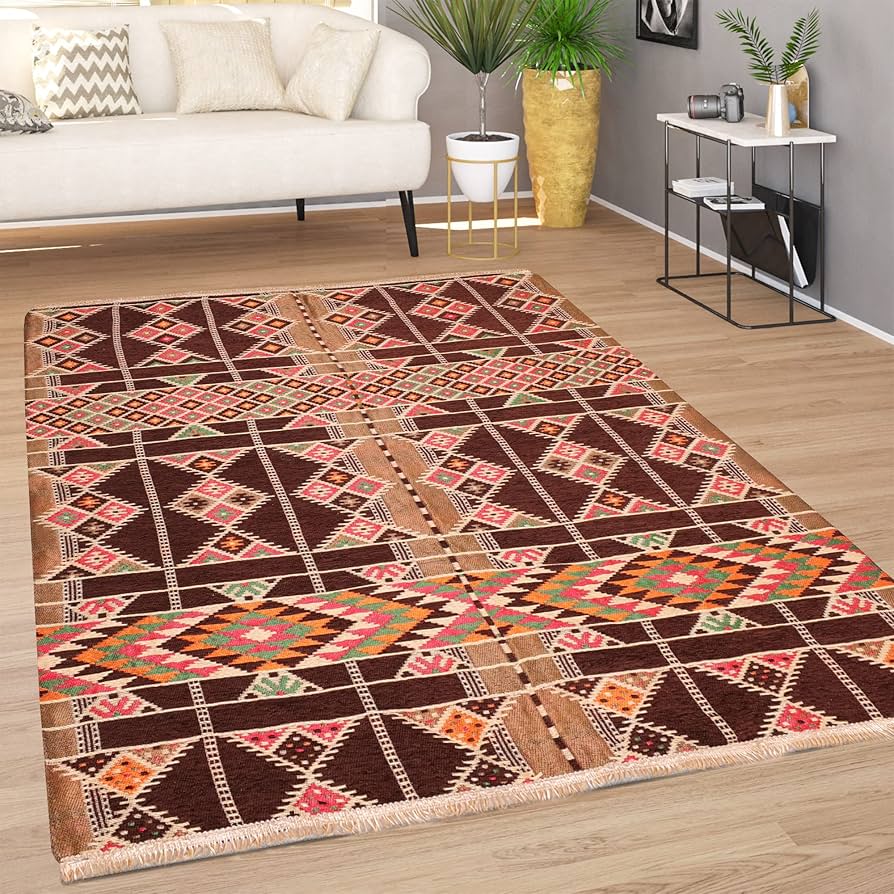
Kilim rugs are distinct from other types of rugs due to their thin, lightweight structure and intricate weaving. They are versatile, making them suitable for layering over other floor coverings, hanging as decorative wall pieces, or acting as focal points in a room. Beyond aesthetics, Kilim rugs also offer practical benefits such as easy maintenance and durability, which make them ideal for contemporary lifestyles in Dubai.
For anyone exploring traditional décor with a modern twist, Kilim rugs provide both functionality and a visual story. Their combination of color, pattern, and cultural significance allows them to transform spaces into warm, inviting, and stylish environments. This guide delves into everything you need to know about Kilim rugs in Dubai, from choosing authentic pieces to integrating them with other types of carpets like jute rugs and wall-to-wall installations.
The Cultural and Historical Significance of Kilim Rugs in Dubai
Kilim rugs have origins that stretch back centuries across regions such as Turkey, Iran, the Caucasus, and Central Asia. Traditionally, these flat-woven rugs were used for both functional and decorative purposes, including floor coverings, bedding, and wall hangings. In Dubai, Kilim rugs have been embraced not only for their aesthetic appeal but also as a way to celebrate cultural artistry and heritage.
The cultural significance of Kilim rugs is reflected in their intricate patterns and symbols. Many motifs represent themes such as protection, fertility, and prosperity, often inspired by nature and local folklore. Collectors and interior designers in Dubai value these symbolic elements because they bring a deeper narrative to the spaces they occupy.
Furthermore, Kilim rugs serve as conversation starters in interiors. Displaying a handwoven rug allows homeowners and businesses to connect with the rich traditions of the regions where these rugs were created. The blend of historical relevance and modern application makes Kilim rugs a meaningful addition to both contemporary and traditional interiors.
Differences Between Kilim Rugs and Traditional Jute Rugs
While Kilim rugs are renowned for their flat-weave design, jute rugs offer a distinct texture and natural aesthetic. Kilim rugs are typically made from wool or cotton and feature tight, colorful geometric patterns. In contrast, jute rugs in Dubai are made from plant fibers, resulting in a coarser, earthier texture and neutral tones.
Understanding these differences helps in selecting the right rug for your space. Kilim rugs are ideal for adding vibrancy and pattern to a room, while jute rugs can provide a natural, calming backdrop. Jute rugs also tend to be thicker and more robust, making them suitable for areas with higher foot traffic.
Additionally, the maintenance requirements vary. Kilim rugs may require gentle cleaning to preserve the colors and delicate weave, whereas jute rugs are more resilient to wear and tear but can be sensitive to moisture. Choosing between these two types depends on your functional needs and aesthetic preferences.
Choosing the Perfect Jute Carpets in Dubai for Your Space
Jute carpets are increasingly popular in Dubai for their eco-friendly properties and natural charm. Selecting the perfect jute carpet involves considering the room’s layout, color palette, and usage patterns. Lighter-colored jute rugs can brighten interiors and complement contemporary furniture, while darker tones provide grounding and contrast.
The size and shape of the jute carpet also play a crucial role in design harmony. Large rectangular rugs can define living areas, whereas smaller, round jute rugs are excellent for accent zones or under furniture pieces. Layering a jute carpets dubai rug beneath a Kilim piece can create a rich, textured effect that balances color and pattern in the room.
Durability is another key factor. Jute carpets should be placed in spaces where they are less exposed to moisture or heavy spills. Proper care and periodic maintenance ensure the carpet retains its natural look while providing comfort and functionality.
Maintenance Tips for Kilim and Jute Rugs to Prolong Durability
Maintaining both Kilim and jute rugs requires attention to their unique materials and weaving techniques. For Kilim rugs, regular vacuuming without a beater brush helps prevent damage to the flat-weave fibers. Spot cleaning with mild detergents preserves colors and prevents fading. Rolling the rug for storage rather than folding prevents creases and structural stress.
Jute rugs require slightly different care due to their natural fiber composition. They are highly absorbent, so spills should be addressed immediately to prevent staining. Avoid placing jute rugs in damp areas, as moisture can weaken fibers. Using rug pads beneath both Kilim and jute rugs can prevent slippage and reduce wear over time.
Additionally, rotating the rugs periodically ensures even exposure to sunlight and foot traffic, helping to maintain their appearance. When layered together, as with a Kilim rug over a jute rugs dubai base, care should be taken to prevent friction that may damage either piece.
How Wall to Wall Carpets in Dubai Can Complement Kilim Rugs
Wall-to-wall carpets in Dubai offer a seamless flooring solution that can serve as a foundation for layering Kilim rugs. These carpets provide comfort, insulation, and uniformity while allowing the Kilim rugs to stand out as decorative accents. This approach is particularly effective in living rooms, offices, or hospitality spaces where both style and functionality are important.
By layering a Kilim rug on top of a neutral wall-to-wall carpet, you can introduce pattern, color, and texture without overwhelming the room. It also protects high-traffic areas of the primary carpet while highlighting the unique design of the Kilim rug. This combination merges practicality with aesthetics, creating a cohesive interior design strategy.
The use of wall to wall carpet in dubai alongside Kilim rugs allows designers to experiment with different textures and tones. The base carpet provides a muted, consistent backdrop, while the Kilim rug introduces visual interest, cultural expression, and focal emphasis.
Best Room Placements for Kilim Rugs in Contemporary Interiors
Choosing the right placement for a Kilim rug is key to maximizing its visual and functional impact. In living rooms, placing the rug under a coffee table can anchor the seating area and add warmth. Bedrooms benefit from Kilim rugs at the foot of the bed or beside the sleeping area, creating cozy and inviting spaces.
Kilim rugs also work well in hallways and entryways, where their flat-weave design allows for easy passage while making a stylish impression. In offices, a strategically placed Kilim rug can define work zones or meeting spaces, adding comfort and visual appeal without disrupting the professional atmosphere.
When combined with kilim rugs dubai selections, attention should be paid to size, pattern alignment, and furniture arrangement. Proper placement ensures that the rug’s motifs are showcased effectively while complementing the room’s overall décor.
Understanding Color Schemes and Patterns in Kilim Rugs
Kilim rugs are known for their bold colors, geometric patterns, and symbolic motifs. Colors are often vibrant, ranging from deep reds and blues to muted earth tones, and can be used to complement or contrast interior color palettes. Patterns typically include diamonds, triangles, medallions, and stylized floral or animal motifs.
The meaning behind these designs often relates to protection, fertility, and community, reflecting the cultural stories of the weavers. Understanding these motifs can help homeowners and designers choose rugs that resonate with the space’s function and mood.
When integrating Kilim rugs with other carpet types, such as jute or wall-to-wall options, consider color harmony. Complementary tones can unify the décor, while contrasting colors can draw attention to the rug as a statement piece.
Conclusion
Kilim rugs in Dubai offer a rich blend of artistry, cultural heritage, and practical design benefits. Understanding the differences between Kilim and jute rugs, knowing how to maintain them, and selecting the right placement can transform interiors into visually appealing and functional spaces. Layering Kilim rugs over jute carpets or wall-to-wall installations adds depth, texture, and style, creating a unique environment that honors tradition while embracing modern aesthetics.
By exploring the history, patterns, and color schemes, homeowners and designers can make informed decisions, ensuring that each rug complements the space and enhances its overall character. Kilim rugs are not merely floor coverings—they are artistic statements that enrich interiors with cultural significance and enduring beauty.
FAQs
What are Kilim rugs and why are they popular in Dubai?
Kilim rugs are flat-woven, colorful rugs with geometric patterns, valued in Dubai for their cultural heritage, visual appeal, and versatility in modern interiors.
How do Kilim rugs differ from jute rugs?
Kilim rugs are typically made of wool or cotton with intricate patterns, while jute rugs are made from natural plant fibers, featuring coarse texture and neutral tones.
What is the best way to clean jute carpets in Dubai?
Spot cleaning with mild solutions and prompt attention to spills are essential. Avoid excessive moisture to prevent fiber damage.
Can Kilim rugs be used in high-traffic areas?
Yes, but care should be taken to protect the flat-weave fibers. Layering over a base carpet or using rug pads can help.
How do wall to wall carpets complement Kilim rugs?
They provide a neutral, continuous base, allowing Kilim rugs to stand out as decorative focal points while protecting high-traffic areas.
Are Kilim rugs suitable for modern interior designs?
Absolutely. Their bold colors, geometric patterns, and cultural symbolism can enhance contemporary, eclectic, or minimalist spaces.
What materials are commonly used in Kilim rugs?
Kilim rugs are typically made from natural wool or cotton fibers, offering durability, texture, and vibrant coloration.
How do I choose the perfect jute carpets dubai for layering?
Consider size, tone, and durability. Layering with a Kilim rug can add depth and balance colors and patterns in the room.
Where should I place jute rugs dubai in my home?
Ideal placements include living areas, bedrooms, or under Kilim rugs for layered effect and texture contrast.
How can I combine wall to wall carpet in dubai with Kilim rugs effectively?
Use the wall-to-wall carpet as a neutral base and place a Kilim rug on top to highlight patterns, colors, and cultural motifs.
Where can I find authentic kilim rugs dubai?
Look for reputable sources specializing in traditional handwoven rugs with verified origin, materials, and craftsmanship.