
Vintage carpets are more than just floor coverings; they are pieces of art that carry history, craftsmanship, and unique design elements. For interior enthusiasts, understanding how to choose vintage carpets can significantly enhance the ambiance of any space, whether it’s a contemporary home, office, or creative studio. These carpets offer a blend of heritage and aesthetic appeal, providing a warmth and character that modern rugs often cannot replicate. In this article, we will explore everything you need to know about selecting the perfect vintage carpets for modern interiors.
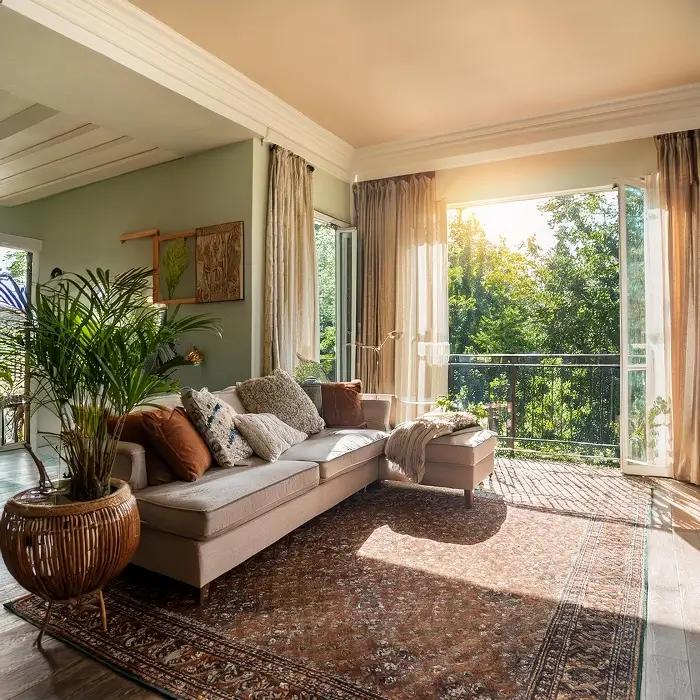
In addition to their visual charm, vintage carpets are durable and crafted with materials that have stood the test of time. Each rug tells a story, reflecting the culture and artistic expression of its origin. By carefully choosing the right vintage carpet, you can not only elevate your space aesthetically but also preserve a piece of history.
Whether you’re a design professional or a homeowner looking to add character to your living environment, understanding the nuances of vintage carpets will empower you to make informed choices. From identifying authentic patterns to integrating these rugs with contemporary furniture, this guide provides a comprehensive overview.
Understanding the History and Origins of Vintage Carpets
Vintage carpets have a rich historical background, often tracing their roots to regions known for centuries-old weaving traditions. Many vintage rugs originate from countries like Iran, Turkey, Morocco, and India, where craftsmanship has been passed down through generations. Understanding the origins of a carpet helps in appreciating its design, materials, and weaving techniques.
Historically, carpets served both functional and ceremonial purposes. In many cultures, rugs were not only used for flooring but also as wall hangings or prayer mats, each with symbolic patterns. Recognizing these traditional elements allows collectors and interior designers to select rugs that bring authenticity and cultural depth to their spaces.
The patterns on vintage carpets are often inspired by nature, folklore, or geometric designs, each carrying symbolic meaning. For instance, floral motifs might signify fertility and growth, while geometric patterns often denote protection or unity. Knowing these historical aspects enhances your ability to choose a carpet that aligns with your interior style while honoring its heritage.
Key Materials and Weaving Techniques Used in Vintage Carpets
The materials used in vintage carpets are one of their most distinctive features. High-quality vintage rugs are commonly made from natural fibers such as wool, silk, and cotton. Wool provides durability and softness, silk adds a luxurious sheen, and cotton is often used for the foundation of the rug. Understanding the material composition helps in determining the carpet’s suitability for different areas of your home.
Weaving techniques also play a significant role in the carpet’s texture and longevity. Hand-knotted carpets are highly valued for their intricate patterns and durability, whereas hand-tufted rugs offer faster production but less intricate detail. Flat-weave techniques, common in Kilim and Dhurrie rugs, provide a thinner, lighter option suitable for layering or casual areas.
Materials and weaving techniques are often indicators of the carpet’s age and origin. For example, Persian hand-knotted rugs are known for their dense knots and rich wool textures, while Moroccan rugs often feature thick pile and natural dyes. Understanding these distinctions allows you to choose carpets that not only look beautiful but also maintain their integrity over time.
How Vintage Carpets Enhance the Aesthetic of Different Room Styles
Vintage carpets can dramatically transform the ambiance of a room, regardless of the interior style. In modern minimalist spaces, a vintage carpet can serve as a focal point, introducing color, texture, and pattern without overwhelming the room. The intricate designs of these rugs provide visual interest and can complement clean, understated furniture.
In eclectic or bohemian interiors, layering multiple vintage rugs can create a sense of warmth and personality. Mixing different patterns, textures, and colors allows homeowners to craft unique, inviting spaces that reflect their style. Even in traditional interiors, a carefully selected vintage carpet can harmonize with existing décor, providing continuity and cohesion.
Furthermore, vintage carpets are versatile enough to work in various rooms, from living rooms and bedrooms to hallways and offices. The choice of size, pattern, and color will determine how well the rug integrates into the room. For example, larger rugs with muted colors can unify a seating area, while smaller, richly patterned rugs can accentuate a specific furniture piece.
Tips for Maintaining and Cleaning Vintage Carpets Without Damage
Maintaining vintage carpets requires attention and care to preserve their beauty and longevity. Regular vacuuming, gentle rotation, and protection from direct sunlight are essential practices. Vacuuming should be done using a brushless attachment to prevent damage to delicate fibers.
Stains and spills should be addressed immediately with mild cleaning solutions suitable for natural fibers. Professional cleaning is recommended for deep stains or periodic maintenance, as experts understand the specific requirements of antique rugs. Avoid harsh chemicals and excessive moisture, which can weaken fibers and fade colors.
To protect vintage carpets in high-traffic areas, consider using rug pads. These not only prevent slipping but also reduce wear and tear. Additionally, rotating the rug every few months ensures even exposure to foot traffic and sunlight, helping maintain the rug’s shape and color.
Common Patterns and Designs in Vintage Carpets and Their Meanings
Vintage carpets feature a wide variety of patterns, each reflecting cultural symbolism and artistic expression. Geometric patterns often signify balance and protection, while floral and botanical motifs represent growth, fertility, and natural beauty. Medallion patterns are central focal designs that draw attention and can anchor a room’s aesthetic.
Borders in vintage carpets are not merely decorative; they often symbolize protection, framing the rug’s central story. Color choices also carry significance: reds convey energy and passion, blues evoke tranquility, and greens symbolize prosperity. Recognizing these elements can guide you in selecting a rug that resonates with the mood and purpose of a space.
Pattern placement is equally important. Centralized motifs can make a bold statement in a large living area, while repeating designs may provide subtle cohesion in smaller rooms. Understanding these patterns ensures that your vintage carpet enhances the overall interior rather than clashing with existing décor.
How to Pair Vintage Carpets with Contemporary Furniture
Pairing vintage carpets with contemporary furniture requires a balance of contrast and harmony. Modern furniture with clean lines and neutral tones can be elevated by the rich patterns and textures of vintage rugs. This combination creates visual interest while maintaining a cohesive design aesthetic.
Consider the color palette of both the rug and furniture. Complementary or analogous colors often produce the most pleasing results. For instance, a deep red vintage rug can add warmth to a gray or cream sofa, while patterned rugs with multiple colors can tie together various elements in a room.
Furniture placement also impacts how a vintage carpet is perceived. Ensure that key pieces, such as sofas and tables, are positioned to showcase the rug’s central motifs. Avoid overcrowding, as excessive layering or mismatched furniture can overshadow the rug’s intricate design.
In office or workspace environments, using a vintage rug under a desk or meeting area can create a sense of elegance and professionalism. A carefully chosen office carpets selection complements the rug, providing both comfort and style.
Identifying Authentic Vintage Carpets Versus Reproductions
With the growing popularity of vintage carpets, distinguishing authentic pieces from reproductions is crucial. Authentic vintage rugs often display subtle irregularities in weaving and coloring due to handmade processes, while machine-made reproductions tend to be uniform and precise.
Check the rug’s foundation and backing. Hand-knotted carpets will have visible knots and a slightly uneven weave, whereas modern reproductions may have synthetic backing. Authentic vintage rugs may also exhibit natural patina or fading, which adds character and authenticity.
Provenance and certification are valuable tools for verification. Knowing the region and period of production can help you understand the rug’s historical and cultural context. Additionally, inspecting materials—such as natural wool or silk versus synthetic fibers—can provide insight into authenticity.
For homes with multiple rooms, incorporating a white carpets piece can create contrast with darker vintage rugs, emphasizing their uniqueness. Similarly, integrating office tiles in professional spaces alongside a vintage rug can harmonize traditional aesthetics with modern flooring solutions.
Conclusion
Choosing the right vintage carpet requires a combination of historical knowledge, material understanding, and aesthetic awareness. By exploring the origins, materials, patterns, and integration techniques discussed in this guide, homeowners and designers can confidently select rugs that enhance their spaces while preserving cultural heritage. Vintage carpets provide not only visual appeal but also a sense of history, craftsmanship, and character that modern rugs cannot replicate.
Proper care and thoughtful pairing with contemporary furniture ensure that these carpets remain beautiful and functional for years. Whether for residential or office interiors, vintage carpets are a versatile, timeless addition that bridges tradition and modernity.
FAQs
What makes a carpet “vintage”?
A carpet is considered vintage if it is at least 20–30 years old, reflecting historical weaving techniques, materials, and patterns from its time of creation.
How do I identify authentic vintage carpets?
Authentic vintage carpets often have hand-knotted construction, natural fibers, and slight irregularities in pattern or color, which indicate handmade craftsmanship.
What are the best materials used in vintage carpets?
High-quality vintage carpets are typically made of wool, silk, or cotton, each providing durability, softness, or luxurious sheen depending on the type of rug.
How can I maintain a vintage carpet’s quality?
Regular vacuuming, careful cleaning, rotating the rug, and using rug pads help preserve color, shape, and longevity.
Can vintage carpets fit modern home décor styles?
Yes, vintage carpets can complement contemporary furniture and modern design by adding texture, pattern, and visual interest.
Are vintage carpets suitable for high-traffic areas?
Some vintage rugs made of durable materials like wool can be placed in moderate-traffic areas, but delicate or antique pieces are better in low-traffic zones.
What are common patterns found in vintage carpets?
Geometric motifs, floral designs, medallions, and intricate borders are typical patterns, often carrying symbolic or cultural meanings.
How do I integrate vintage carpets with existing flooring options?
Using complementary pieces like office tiles or white carpets can create balance and highlight the rug’s design in both residential and professional spaces.
Can office carpets be paired with vintage rugs in workspaces?
Yes, strategically placed office carpets can protect high-traffic areas while a vintage rug adds elegance and visual interest to the office environment.
What steps should I take to verify the authenticity of a vintage rug?
Examine the rug’s materials, knot density, weaving irregularities, provenance, and any certifications to ensure authenticity and historical value.