
Carpet installation often focuses on the visible surface—the carpet itself. However, one of the most important components of a comfortable and long-lasting flooring system lies underneath the carpet. This hidden layer is known as carpet underlay, and it plays a significant role in the performance, durability, and comfort of the entire floor.
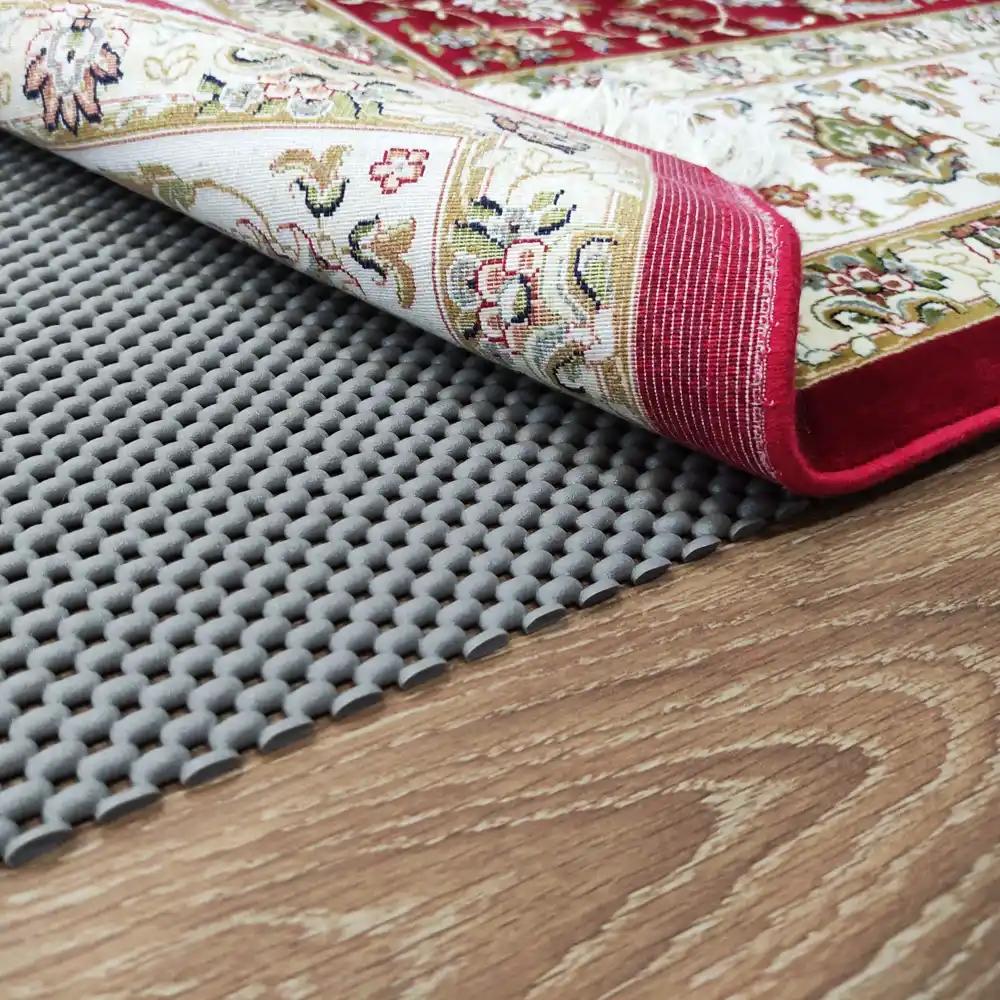
Carpet underlay acts as a supportive cushion placed between the carpet and the subfloor. Although it is rarely seen after installation, it directly affects how the carpet feels underfoot, how well it absorbs noise, and how long the carpet lasts. Choosing the right underlay can improve comfort, reduce wear, and even enhance insulation within a room.
This guide explores what carpet underlay is, why it matters, and how it contributes to the overall performance of carpet flooring. By understanding its functions and material options, homeowners and designers can make more informed decisions when selecting flooring systems.
Understanding the Role of Underlay in Improving Carpet Comfort and Support
Carpet underlay serves as the supportive foundation beneath a carpet. It acts as a cushioning layer that absorbs pressure from footsteps, furniture, and daily activity.
Without underlay, carpets would sit directly on hard flooring surfaces such as concrete, wood, or tiles. This would make the carpet feel thinner, less comfortable, and more prone to damage over time.
The main functions of carpet underlay include:
- Providing a cushioned surface for walking
- Supporting carpet fibers and preventing excessive compression
- Absorbing impact from daily foot traffic
- Improving overall comfort inside rooms
Many flooring specialists highlight the importance of installing quality carpets underlay because it helps maintain the structural integrity of the carpet over long periods.
In addition, underlay can improve the way a carpet looks. When properly installed, it allows the carpet surface to remain smooth and evenly supported across the entire floor.
How Underlay Materials Influence Durability Sound Insulation and Floor Protection
Carpet underlay is available in different materials, each designed to serve specific purposes. These materials influence several aspects of flooring performance.
Durability
Some underlays provide stronger support for carpet fibers, which reduces premature wear. When the carpet receives proper cushioning, it maintains its shape for a longer time.
Sound Insulation
Underlay materials absorb sound vibrations created by footsteps and movement. This helps reduce noise transmission between rooms and floors.
Floor Protection
Underlay also protects the subfloor by preventing direct friction between the carpet and the floor surface.
Key benefits of underlay materials include:
- Reduced noise levels inside rooms
- Improved comfort underfoot
- Protection of carpet backing
- Reduced impact on subfloor surfaces
These properties make underlay a critical component in residential and commercial carpet installations.
Key Differences Between Foam Rubber and Fiber Carpet Underlay Materials
There are several types of carpet underlay materials available, each with different characteristics and performance levels.
Foam Underlay
Foam underlay is one of the most widely used types. It is lightweight and provides soft cushioning.
Common foam options include:
- Polyurethane foam
- Memory foam carpet padding
- Rebond foam made from recycled materials
These types are popular because they offer excellent comfort while maintaining good support for carpets.
Rubber Underlay
Rubber underlay is denser and more durable than foam. It is often used in areas with heavier foot traffic.
Benefits include:
- Strong structural support
- Long lifespan
- Good resistance to compression
Fiber Underlay
Fiber underlay is made from compressed natural or synthetic fibers. It is typically firmer and thinner than foam options.
It works well in areas where a stable surface is needed to support structured carpets.
Understanding these differences helps homeowners choose the most suitable underlay based on the room’s usage and carpet type.
How Proper Underlay Installation Improves Carpet Lifespan and Performance
Correct installation of carpet underlay significantly affects how the carpet performs over time. Even high-quality carpets may deteriorate quickly if installed without suitable padding.
Proper underlay installation helps by:
- Distributing weight evenly across the carpet surface
- Preventing carpet fibers from flattening prematurely
- Reducing stress on carpet backing materials
- Improving the carpet’s ability to recover after compression
Professional installers often emphasize the importance of matching the underlay thickness and density with the type of carpet being installed.
For example, modular flooring solutions like carpet tiles may require specific underlay considerations to maintain stability and alignment.
Correct installation ensures the carpet maintains its appearance and functionality throughout its lifespan.
Impact of Carpet Padding on Indoor Comfort Noise Reduction and Warmth
Carpet underlay has a noticeable impact on indoor comfort. Because it creates a cushioning effect, it changes how the floor feels when people walk across it.
Comfort
A well-chosen underlay adds softness beneath the carpet surface. This reduces foot fatigue, especially in rooms where people spend long periods standing or walking.
Noise Reduction
Underlay absorbs vibrations and reduces the transmission of sound between floors.
This is particularly useful in:
- Apartment buildings
- Multi-story homes
- Office environments
Thermal Insulation
Carpet underlay can also help maintain indoor temperature. By adding an extra insulating layer, it reduces heat loss through the floor.
This makes rooms feel warmer during cooler seasons and contributes to overall energy efficiency.
Common Mistakes People Make When Selecting Carpet Underlay for Homes
Choosing carpet underlay may seem simple, but several mistakes can affect flooring performance.
Selecting Underlay That Is Too Thin
Thin padding may not provide enough cushioning, leading to faster carpet wear.
Choosing Excessively Soft Padding
While soft underlay feels comfortable, it may compress quickly under heavy furniture.
Ignoring Room Function
Different rooms require different levels of durability. High-traffic areas often need denser underlay materials.
Overlooking Moisture Resistance
Rooms that experience occasional moisture may require underlay materials designed to resist dampness.
Not Matching Underlay With Carpet Type
Some carpets perform better with specific types of underlay.
Avoiding these mistakes helps ensure a balanced flooring system that performs well over time.
How Underlay Helps Maintain Carpet Appearance and Prevent Early Wear
One of the most overlooked advantages of carpet underlay is its ability to maintain the carpet’s appearance.
Carpets naturally experience pressure from footsteps, furniture, and daily activity. Without proper support, these pressures can cause permanent indentations or flattening.
Underlay helps prevent these problems by:
- Distributing pressure evenly across the carpet surface
- Allowing carpet fibers to bounce back after compression
- Reducing friction between carpet backing and the floor
In decorative spaces where aesthetics matter, flooring choices often combine practical performance with visual design elements such as color coordination or statement carpets like a green carpet dubai that enhances the overall interior style.
A strong underlay foundation ensures that these visual features remain attractive for longer.
Factors to Consider When Choosing the Right Underlay for Different Rooms
Selecting the correct underlay requires evaluating several factors related to room usage and carpet type.
Traffic Level
High-traffic areas such as hallways and living rooms need denser underlay to prevent compression.
Carpet Thickness
Thicker carpets may require thinner underlay to maintain stability.
Sound Requirements
Rooms where sound reduction is important may benefit from specialized acoustic underlay materials.
Moisture Conditions
Certain underlays provide better resistance to humidity and moisture.
Safety and Material Selection
In some environments, flooring systems may prioritize safety considerations. For example, buildings designed with natural materials might incorporate carpets made from fibers such as sisal carpets dubai combined with suitable underlay for stability and durability.
By evaluating these factors, homeowners can choose underlay that supports both functionality and comfort.
Conclusion
Carpet underlay is a vital component of any carpet flooring system, even though it remains hidden beneath the surface. It enhances comfort, improves durability, reduces noise, and helps protect both the carpet and the underlying floor.
Understanding the different types of underlay materials, their functions, and the factors involved in choosing them allows homeowners and designers to create flooring systems that perform effectively over time. When selected and installed correctly, carpet underlay ensures that carpets remain comfortable, attractive, and durable for years to come.
FAQs
What is the main purpose of carpet underlay beneath flooring?
Carpet underlay acts as a cushioning layer between the carpet and the subfloor. It provides support, improves comfort, and helps extend the life of the carpet.
How does carpet underlay improve comfort and insulation in rooms?
Underlay adds a soft layer beneath the carpet that absorbs pressure and helps retain warmth. It also reduces sound transmission between rooms.
Is underlay necessary for all types of carpets or flooring systems?
While some carpets can be installed without underlay, most flooring professionals recommend it because it improves durability, comfort, and insulation.
How long does carpet underlay typically last before replacement?
The lifespan of underlay varies depending on material quality and usage. Many underlays can last as long as the carpet itself if properly installed.
Can underlay affect the acoustic performance of carpeted rooms?
Yes. Underlay helps absorb sound vibrations caused by footsteps and movement, which reduces noise and improves acoustic comfort inside buildings.