
Sisal carpets have become an increasingly recognized flooring option for residential and commercial interiors. Known for their natural texture, durability, and eco-friendly composition, sisal fibers are widely used in interior design projects that prioritize sustainability and long-term performance. In regions such as Abu Dhabi, where interior comfort and aesthetic balance are important, natural fiber flooring provides both functional and visual value.
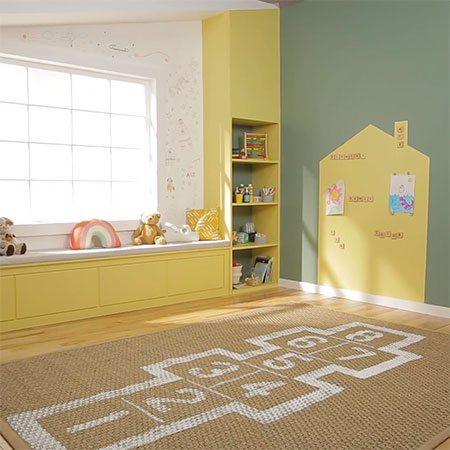
Understanding how sisal carpets are made, how they perform in different environments, and how they compare with other flooring materials helps homeowners and designers make informed decisions. From underlay considerations to alternative flooring surfaces, each aspect plays a role in overall comfort and durability.
This article explores the structure, benefits, applications, and practical considerations of sisal carpets in detail, offering a comprehensive informational guide.
Understanding the natural plant fibers used in sisal carpets and how they influence durability and texture in modern interiors
Sisal is derived from the leaves of the agave plant. The fibers are extracted, dried, and woven into durable textiles suitable for rugs and flooring applications. Because sisal fibers are coarse and strong, they naturally create a firm surface that is ideal for areas requiring resilience and structural integrity.
The texture of sisal carpets is one of their defining characteristics. The woven structure produces a tactile surface that enhances interior depth and visual interest. Unlike soft synthetic carpets, sisal maintains a structured appearance that complements minimalist and contemporary designs.
Sisal’s natural composition also contributes to its strength. The fibers are resistant to stretching and can maintain their shape under regular foot traffic. This makes sisal suitable for living rooms, hallways, offices, and other frequently used spaces.
In addition, sisal works well when paired with supportive layers. Many installations benefit from proper flooring preparation to improve comfort and performance. For example, selecting suitable backing materials enhances stability and sound absorption, especially in multi-level buildings.
Why sisal carpets are becoming a popular flooring choice for homes and offices in Abu Dhabi and similar climates
In warm climates, flooring choices must balance breathability, durability, and comfort. Sisal carpets provide a natural solution that supports airflow and does not trap heat in the same way as some synthetic materials.
Interior designers often recommend natural fiber carpets for spaces that require a neutral yet textured foundation. Sisal blends well with wood furniture, stone finishes, and contemporary décor elements. Its earthy tones create calm environments suitable for both residential and commercial settings.
Another reason for its growing popularity is versatility. Sisal can be used in various design contexts:
- Modern apartments
- Corporate offices
- Boutique retail spaces
- Minimalist interior projects
- Coastal-themed environments
When comparing different flooring alternatives, some property owners evaluate textured natural options alongside other materials such as vinyl carpet flooring. While vinyl surfaces offer different performance characteristics, sisal remains preferred for natural aesthetics and environmental considerations.
Environmental benefits of choosing natural sisal carpet materials for sustainable interior design solutions
Sustainability plays a significant role in modern interior planning. Sisal is a renewable resource because it comes from plant fibers that can be harvested without damaging the environment permanently. The production process typically requires less synthetic processing compared to fully artificial flooring materials.
Key environmental advantages include:
- Renewable raw material source
- Biodegradable fiber composition
- Reduced reliance on synthetic chemicals
- Lower environmental footprint compared to some synthetic options
- Long lifespan that reduces replacement frequency
Because sisal is a natural fiber, it aligns with eco-conscious design strategies. Many designers incorporate it into green building concepts and sustainable renovation projects.
For those exploring natural alternatives, products like a jute rug also represent plant-based flooring options. Both jute and sisal share eco-friendly characteristics, though each has unique texture and performance qualities.
Key differences between natural fiber carpets and synthetic flooring materials in durability and comfort
Natural fiber carpets such as sisal differ significantly from synthetic carpets in structure and feel. Sisal has a firmer surface and does not provide the plush softness associated with traditional pile carpets.
Durability differences include:
- Sisal resists stretching under pressure.
- Synthetic fibers may offer more stain resistance depending on composition.
- Natural fibers provide structured strength but require mindful moisture control.
- Synthetic options often focus on easy cleaning rather than organic texture.
Comfort also varies. Sisal’s firm weave creates a stable walking surface, which some users prefer for workspaces and formal areas. For enhanced comfort, many installations include supportive layers underneath. Choosing appropriate flooring preparation is important in improving acoustic performance and reducing surface rigidity.
How proper carpet padding improves comfort, insulation, and longevity for natural fiber flooring
Although sisal is naturally durable, its performance can be significantly enhanced with proper underlay systems. Quality padding improves comfort, sound absorption, and structural stability.
Using suitable supporting layers helps:
- Reduce noise transmission between floors
- Increase walking comfort
- Extend carpet lifespan
- Improve thermal insulation
- Maintain consistent surface alignment
When selecting installation components, homeowners may consider specialized solutions such as carpets underlay. Proper underlay ensures that the natural fiber surface performs optimally, especially in residential apartments or office environments.
The correct combination of carpet and underlay contributes to both functional efficiency and long-term preservation of the flooring structure.
Interior design styles where natural textured carpets create visual warmth and organic aesthetics
Sisal carpets are widely used in interior design styles that emphasize simplicity, natural tones, and balance. Their neutral color palette allows them to integrate seamlessly into various themes.
Common design styles that benefit from sisal include:
- Scandinavian interiors
- Contemporary minimalist spaces
- Coastal-inspired homes
- Modern corporate offices
- Eco-friendly architectural projects
The texture of sisal adds subtle depth without overpowering surrounding décor. Designers often use sisal as a foundational flooring layer to complement bold furniture or decorative accents.
For projects focused on color themes, alternatives such as green rugs may be considered to introduce visual contrast. However, sisal remains a primary choice when natural texture is the central design element.
Practical maintenance tips for preserving the appearance and structure of natural fiber carpets over time
Maintaining sisal carpets requires consistent care. Because it is a natural fiber, it responds best to dry cleaning methods rather than excessive moisture.
Maintenance recommendations include:
- Regular vacuuming without rotating brushes
- Immediate removal of spills
- Avoiding prolonged exposure to water
- Using protective furniture pads
- Ensuring proper indoor humidity levels
Sisal should not be saturated with liquids, as excessive moisture may weaken fibers. Dry cleaning methods are generally preferred.
When selecting flooring solutions for large spaces or offices, modular options such as carpet tiles may offer easier maintenance flexibility. However, sisal carpets remain ideal for continuous, seamless natural flooring surfaces.
Common mistakes people make when selecting natural carpets for high-traffic rooms and entryways
Choosing the right flooring involves careful planning. Some common mistakes include:
- Installing natural fiber carpets in areas with high moisture exposure
- Skipping proper underlay support
- Ignoring room traffic levels
- Failing to evaluate maintenance requirements
- Selecting inappropriate cleaning methods
High-traffic zones require durable materials and appropriate preparation. Sisal performs well in busy areas when properly installed and maintained, but environmental conditions must be considered.
Understanding the characteristics of natural fiber flooring ensures better long-term satisfaction and performance.
Conclusion
Sisal carpets represent a sustainable, durable, and aesthetically versatile flooring option for modern interiors. Their natural fiber composition, structured texture, and eco-friendly properties make them suitable for homes and offices seeking balance between functionality and design.
When properly installed with supportive layers and maintained using appropriate care methods, sisal carpets can deliver long-lasting performance. Their ability to integrate into diverse interior styles further enhances their appeal in contemporary environments.
FAQs
What makes sisal carpets different from other natural fiber rugs?
Sisal carpets are known for their firm texture, durability, and structured weave. Compared to other natural fibers, they typically offer stronger resistance to wear and maintain shape effectively in high-use areas.
Are sisal carpets suitable for humid or coastal climates?
Sisal can be used in such climates, but proper installation and humidity control are important. Excess moisture should be avoided to preserve fiber integrity.
How do natural fiber carpets affect indoor air quality?
Natural fiber carpets do not rely heavily on synthetic compounds, making them a preferred choice in environmentally conscious interior designs.
What type of rooms benefit most from textured natural carpets?
Living rooms, offices, hallways, and study areas benefit from sisal carpets due to their durability and structured appearance.
How can homeowners maintain the durability of natural fiber carpets?
Regular vacuuming, immediate spill management, and appropriate underlay support help maintain the carpet’s structure and longevity.
What is the best way to improve comfort under sisal flooring?
Using suitable underlay materials enhances cushioning, insulation, and sound reduction while preserving the carpet’s stability.