
sisal carpets abu dhabi. Sisal carpets have gained significant popularity in Abu Dhabi due to their natural appeal, durability, and eco-friendly properties. These carpets, made from the fibers of the agave plant, offer a unique texture and a timeless aesthetic that complements a variety of interior styles. Homeowners and office designers alike are increasingly turning to sisal carpets for their resilience and ability to create a warm, inviting atmosphere. Understanding the characteristics of these carpets and their maintenance requirements is essential for making an informed choice.
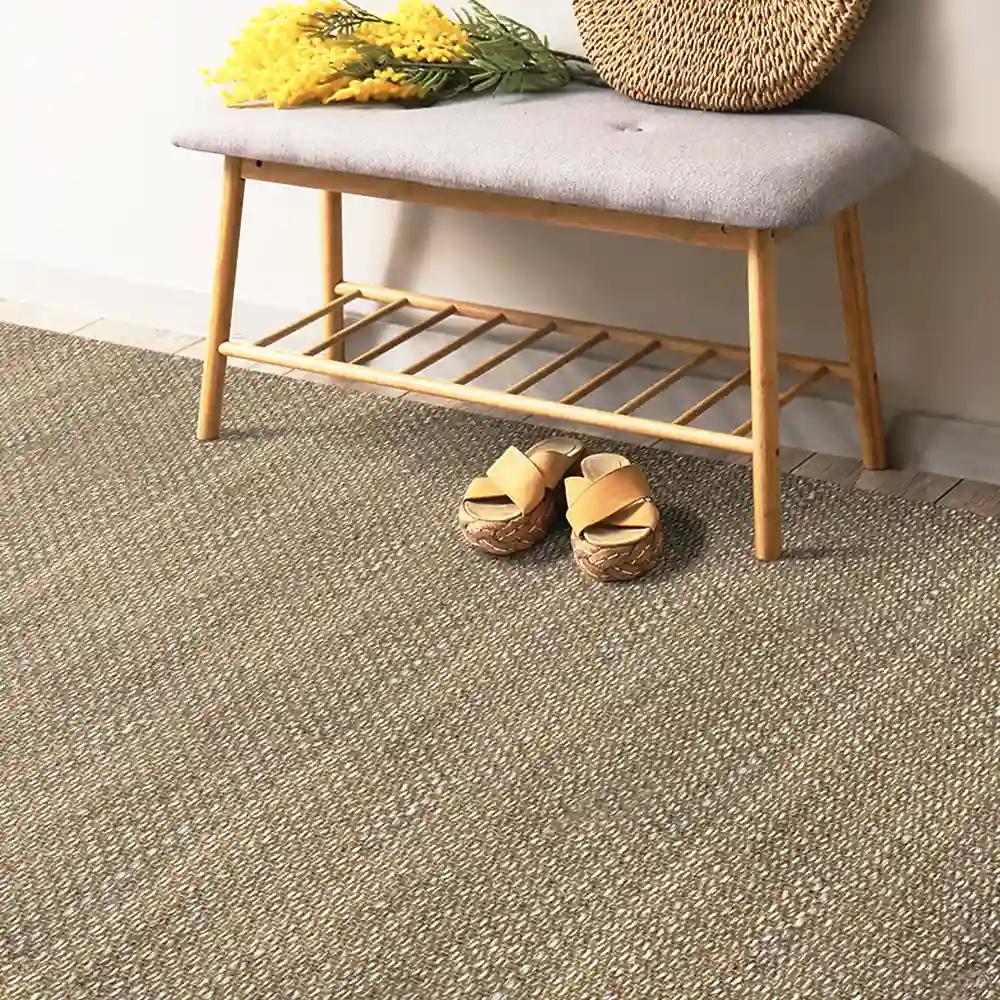
Selecting the right sisal carpet involves considering several factors such as durability, comfort, design, and environmental impact. Unlike synthetic carpets, sisal is naturally biodegradable and adds an organic feel to interiors. Moreover, it can be combined with other flooring types to create distinctive looks and functional spaces. In Abu Dhabi, where climatic conditions can vary and interiors often blend modern and traditional styles, the choice of flooring becomes even more crucial.
This article provides a comprehensive guide on choosing the best sisal carpets in Abu Dhabi, covering key considerations, comparisons with other natural rugs, installation tips, and long-term maintenance practices. By the end, you will have a clear understanding of how to integrate sisal carpets into your home or office with confidence and style.
Understanding the Unique Properties of Sisal Carpets and Their Uses in Homes and Offices
Sisal carpets are renowned for their toughness and natural beauty. Made from the fibers of the agave plant, these carpets are highly resistant to wear and tear, making them ideal for high-traffic areas such as hallways, living rooms, and office spaces. The fibers create a textured surface that not only feels pleasant underfoot but also helps in trapping dirt and dust, maintaining a cleaner environment.
One of the key advantages of sisal carpets is their versatility. They can be used in contemporary homes, traditional settings, and commercial offices. Sisal fibers have a natural sheen and can be dyed in subtle tones to match interior décor. Furthermore, sisal is hypoallergenic and does not trap allergens in the same way synthetic carpets do, which contributes to better indoor air quality.
Due to their natural composition, sisal carpets are best suited for dry areas. While they provide excellent durability, excessive moisture can weaken the fibers over time. Therefore, understanding where to place your sisal carpet is essential for long-term performance.
How Different Types of Carpets Underlay Affect Comfort and Durability
The choice of underlay beneath your sisal carpet can significantly influence both comfort and longevity. Underlays act as a cushioning layer between the carpet and the floor, providing insulation, noise reduction, and additional softness underfoot. For sisal carpets, selecting the right underlay is crucial because it can prevent premature wear and help maintain the carpet’s texture.
Several types of underlays are commonly used:
- Foam underlay: Provides softness but may compress over time, potentially affecting the sisal’s durability.
- Felt underlay: Offers excellent cushioning and durability, making it suitable for high-traffic areas.
- Rubber underlay: Adds grip and stability, preventing movement and reducing slips on smooth surfaces.
Choosing an underlay that complements the natural resilience of sisal ensures that the carpet performs optimally while providing comfort. Additionally, underlays can help protect the carpet from moisture and extend its lifespan, particularly in climates like Abu Dhabi’s where flooring can be exposed to temperature fluctuations.
Comparing Jute Rug Options with Sisal for Natural Flooring Aesthetics
While sisal is widely appreciated for its strength, jute rugs offer a softer, more pliable option for natural flooring. Both fibers are sustainable and eco-friendly, but their textures and applications differ significantly. Jute has a more flexible and smoother feel compared to the coarser, denser sisal fiber.
Key differences include:
- Texture: Sisal is firm and slightly rough, making it more durable for high-traffic areas, while jute feels softer underfoot.
- Durability: Sisal withstands heavy use better, whereas jute can flatten or fray more easily.
- Maintenance: Sisal is easier to clean with routine vacuuming and spot treatment, while jute requires more careful handling to avoid water damage.
In terms of aesthetics, jute rugs create a more casual, relaxed ambiance, while sisal carpets project elegance and structure. Homeowners often use jute rugs in living rooms, bedrooms, or cozy corners, while sisal carpets are preferred in hallways, offices, or areas with constant foot traffic. Combining both types can create layered flooring designs that balance comfort and durability.
Maintenance Tips for Vinyl Carpet Flooring and Sisal Carpets in High-Traffic Areas
Maintaining sisal carpets alongside other flooring options like vinyl requires careful attention. Sisal is sensitive to moisture and harsh cleaning agents, so routine care is essential. Here are practical maintenance tips:
- Regular vacuuming: Use a vacuum cleaner without a rotating brush to prevent fraying the fibers.
- Spot cleaning: Blot spills immediately with a dry cloth; avoid rubbing, which can damage the fibers.
- Avoid moisture: Do not use steam cleaners or wet mops on sisal carpets, as water weakens the natural fibers.
- Rotating carpets: Rotate rugs and carpets periodically to ensure even wear, especially in high-traffic areas.
- Protective layering: Place a vinyl carpet flooring section underneath heavy furniture to reduce pressure marks.
By following these maintenance practices, sisal carpets can remain visually appealing and structurally sound for many years, even in busy households or offices.
Environmental Benefits of Using Eco-Friendly Sisal Carpets
Sisal carpets are inherently sustainable and biodegradable. Unlike synthetic carpets made from petroleum-based fibers, sisal has minimal environmental impact during production. Choosing sisal contributes to eco-conscious interior design while reducing the ecological footprint.
Additional environmental benefits include:
- Renewable source: Agave plants grow quickly and require limited water, making sisal a renewable resource.
- Non-toxic: No harmful chemicals are needed in sisal production, ensuring indoor air quality is maintained.
- Biodegradability: At the end of its life, sisal can decompose naturally without leaving microplastic waste.
These factors make sisal carpets a responsible choice for homeowners and designers seeking environmentally friendly flooring options.
How Sisal Carpets Contribute to Indoor Air Quality and Reduce Allergens
Sisal carpets can enhance indoor air quality due to their natural hypoallergenic properties. Unlike synthetic carpets, sisal does not trap dust mites, mold, or other allergens as readily. This makes them a preferred option for allergy-sensitive environments such as offices, living rooms, or bedrooms.
Key points regarding indoor air quality:
- Dust control: The dense weave of sisal fibers captures dirt and prevents it from circulating freely in the air.
- Chemical-free: Sisal carpets avoid the off-gassing associated with synthetic carpets, which can release volatile organic compounds (VOCs).
- Allergen reduction: Regular vacuuming and natural fiber properties help maintain a healthier indoor environment.
For residents in Abu Dhabi, where dust accumulation is a common concern, sisal carpets offer a practical solution to mitigate indoor allergens while enhancing comfort.
Selecting the Right Texture and Weave for Specific Rooms in Abu Dhabi Homes
The texture and weave of a sisal carpet play a crucial role in its functionality and aesthetic appeal. Different weaving patterns can influence durability, softness, and visual style:
- Flatweave: Ideal for high-traffic areas, flatweave sisal carpets are smooth and durable.
- Loop pile: Offers a more textured surface and can hide minor stains or dirt.
- Herringbone or basket weave: Adds visual interest and can complement traditional or modern interiors.
When selecting sisal for a specific room, consider the purpose of the space, foot traffic levels, and the overall design theme. Combining the right texture with complementary furniture and décor can elevate both comfort and style in Abu Dhabi homes.
Conclusion
Choosing the best sisal carpet in Abu Dhabi involves more than just picking a color or pattern. It requires understanding the material’s properties, comparing it with alternatives like jute rugs, and considering factors such as underlay, maintenance, and indoor air quality. Sisal carpets offer a sustainable, durable, and visually appealing flooring solution for both residential and commercial spaces. By selecting the right weave, texture, and placement, homeowners can enjoy the beauty and resilience of sisal carpets for years to come.
Integrating sisal carpets with other flooring types like vinyl can create a balanced, functional, and aesthetically pleasing interior. Proper care, attention to environmental benefits, and awareness of how the carpet interacts with the room’s design will ensure long-term satisfaction and maintain the natural elegance that sisal provides.
FAQs
- What are the main advantages of sisal carpets over other natural fibers?
Sisal carpets are highly durable, eco-friendly, and resistant to heavy foot traffic. They are hypoallergenic, easy to maintain, and have a timeless natural aesthetic that complements various interior styles. - How should sisal carpets be cleaned to maintain longevity?
Vacuum regularly without a rotating brush, blot spills immediately, and avoid moisture or steam cleaning. Rotate carpets periodically to prevent uneven wear, especially in high-traffic areas. - Can sisal carpets be used in high-moisture areas?
No, sisal is sensitive to moisture, which can weaken fibers and lead to damage. It is best suited for dry areas such as living rooms, bedrooms, hallways, and offices. - How does the underlay impact the lifespan of sisal carpets?
The underlay provides cushioning, reduces wear, and prevents slipping. Choosing the right type, such as felt or rubber, can enhance comfort and extend the carpet’s durability. - Are jute rugs a good alternative to sisal in home decoration?
Jute rugs offer a softer, more casual aesthetic and can be used in bedrooms or living spaces. However, they are less durable than sisal and require more careful maintenance. - What is the best way to combine vinyl flooring with sisal carpets?
Use vinyl flooring in high-moisture or heavily trafficked areas while placing sisal carpets in adjacent dry zones. Ensure proper underlay and spacing to prevent damage to the natural fibers.