
Selecting the right carpet underlay is an essential step in creating a comfortable, durable, and well-insulated home. While carpets often take the spotlight in interior design, the underlay beneath them plays a critical role in enhancing comfort, extending the life of the carpet, and improving thermal and acoustic insulation. Understanding the different types of underlay, their materials, and how they interact with various carpet types is crucial for homeowners seeking both functionality and aesthetic appeal.
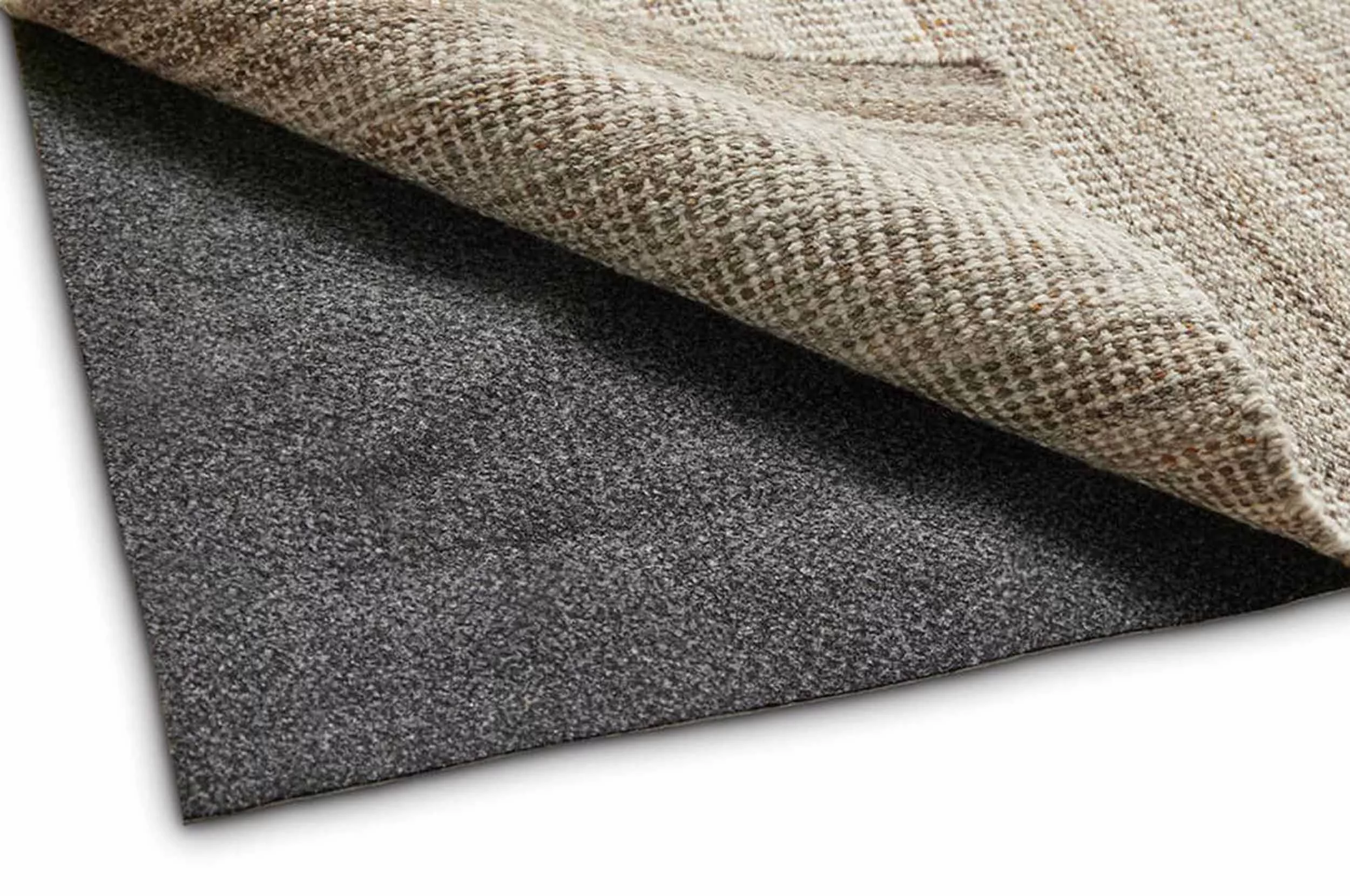
Carpet underlay acts as a cushioning layer between the floor and the carpet surface. It absorbs impact, reduces noise, and provides insulation from cold or heat. A suitable underlay can make walking on carpets more comfortable, prevent premature wear, and even contribute to energy efficiency. In addition, the type of underlay you choose can affect the performance of different carpet styles, such as carpets underlay used with natural fiber or synthetic carpets.
For homeowners in Dubai, where climate and lifestyle influence flooring choices, selecting the ideal underlay ensures optimal performance of the carpet throughout the year. This article delves into the types of underlay materials, their benefits, considerations for carpet tiles, integration with green carpets, and tips for selecting underlay to create the perfect indoor environment.
Understanding the role of carpet underlay in improving comfort and insulation
Carpet underlay serves as the hidden hero of any flooring system. Its primary function is to provide cushioning, creating a soft and comfortable walking surface. This cushioning effect reduces strain on feet, joints, and even furniture by absorbing impact and distributing weight more evenly. Homes with high foot traffic, such as living rooms and hallways, benefit significantly from a quality underlay that prevents carpets from flattening prematurely.
In addition to comfort, underlay contributes to thermal insulation. A good underlay reduces heat loss through floors, keeping rooms warmer during cooler months and reducing energy consumption. In a city like Dubai, where temperature fluctuations occur, underlay can help maintain consistent indoor comfort and improve overall energy efficiency. Furthermore, carpet underlay provides sound insulation, minimizing noise from footsteps and movement, which is particularly useful in multi-story buildings or apartments.
Different materials used for carpet underlay and their advantages
Carpet underlay comes in a variety of materials, each offering distinct benefits. Foam underlays are lightweight, soft, and provide excellent cushioning, making them suitable for bedrooms or low-traffic areas. Rubber underlays are denser, offering superior durability and sound insulation, ideal for hallways and living rooms with heavy usage.
Felt underlays, often made from recycled fibers, provide a firm, resilient surface that enhances carpet performance while being environmentally friendly. They can be combined with foam or rubber layers to create hybrid underlays that balance comfort and durability. Memory foam underlays are also available, offering exceptional softness and contouring support, particularly beneficial in areas where extra comfort is desired.
By understanding the unique advantages of each material, homeowners can select an underlay that matches the functional requirements of each room. This careful selection ensures that carpets perform optimally and maintain their appearance for a longer period.
How underlay affects the longevity and performance of carpets
A high-quality carpet underlay significantly extends the lifespan of the carpet it supports. By providing a cushioning layer, underlay prevents the carpet fibers from being crushed under constant foot traffic. It reduces wear patterns, maintains the carpet’s pile height, and helps retain its original texture and appearance over time.
Additionally, underlay can prevent the carpet from slipping or shifting, improving safety and reducing maintenance efforts. Carpets installed without underlay are more prone to damage, uneven wear, and accelerated deterioration. Using the right underlay ensures that even high-traffic areas remain comfortable and visually appealing for years. Incorporating sisal carpets dubai with suitable underlay can maximize both aesthetic appeal and functional longevity in homes.
Choosing underlay thickness and density for various room types
The thickness and density of carpet underlay directly influence comfort, durability, and carpet performance. Thicker underlays offer more cushioning, ideal for bedrooms or lounge areas where comfort is a priority. However, excessively thick underlay may interfere with door clearance and make carpets appear uneven in certain spaces.
Density is equally important. High-density underlays provide more support, prevent indentations from furniture, and are better suited for high-traffic areas. Low-density underlays offer softness but may compress over time, leading to uneven surfaces. Balancing thickness and density ensures optimal performance in different rooms while maintaining a comfortable and stable floor surface.
How carpet underlay can enhance acoustic and thermal insulation
One of the often-overlooked benefits of carpet underlay is its ability to enhance acoustic and thermal insulation. Dense underlays absorb sound waves, reducing noise from footsteps, dropping objects, and conversation echoing through the home. This is particularly valuable in apartments or multi-level houses where noise control is essential for a peaceful environment.
Thermally, underlay acts as a barrier against heat transfer, helping keep indoor temperatures stable. For homes in Dubai, underlay can improve cooling efficiency by preventing heat from radiating through the floor during hot months. This dual functionality makes underlay a strategic addition to any carpeted area, supporting both comfort and energy efficiency.
Comparing carpet tiles with traditional carpet rolls and their underlay needs
Carpet tiles, unlike traditional carpet rolls, offer modular flexibility for flooring design. Each tile can be replaced individually, making them ideal for offices, children’s rooms, or spaces with variable usage. Carpet tiles often require thinner, firmer underlay to prevent movement and maintain alignment between tiles.
In contrast, traditional carpet rolls benefit from thicker underlays that enhance cushioning and comfort across larger, continuous surfaces. Understanding the underlay requirements for both options ensures proper installation, maintains aesthetic appeal, and prolongs carpet life. Using a combination of carpet tiles and carpet tiles underlay designed for durability allows homeowners to balance flexibility and comfort in different areas.
Tips for selecting underlay that complements green carpets in Dubai
Green carpets are becoming increasingly popular for eco-conscious homeowners. When selecting underlay for these carpets, it is important to consider sustainability, material composition, and compatibility with natural fibers. Felt underlays made from recycled materials are particularly well-suited, offering firm support while aligning with environmental values.
Additionally, the underlay should enhance the insulation and acoustic properties of the green carpet without compromising its performance. Proper padding ensures even wear and helps maintain the carpet’s aesthetic integrity. Integrating green carpet dubai with an appropriate underlay improves both the longevity and comfort of sustainable flooring solutions.
Common mistakes to avoid when installing carpet underlay
Proper installation of carpet underlay is crucial for optimal performance. Common mistakes include using underlay that is too thick or soft for high-traffic areas, neglecting to measure room dimensions accurately, and failing to secure underlay edges properly. These errors can lead to uneven carpets, premature wear, and safety hazards.
Another mistake is ignoring the type of carpet being installed. For example, natural fiber carpets such as sisal carpets dubai require specific underlays to maintain their shape and appearance. Ensuring the underlay matches the carpet type and room function prevents costly repairs and enhances the comfort and durability of the flooring.
Conclusion
Carpet underlay is a critical component that influences comfort, durability, insulation, and acoustic performance in homes. By understanding the different materials, thicknesses, and densities available, homeowners can select underlays that enhance the functionality and longevity of their carpets. Whether you are using traditional carpet rolls, carpet tiles, or sustainable green carpets, proper underlay selection ensures optimal performance in every room.
Incorporating carpets underlay, carpet tiles, green carpet dubai, and sisal carpets dubai into your flooring strategy provides a balanced approach to comfort, sustainability, and long-term flooring performance. By paying attention to these hidden but essential elements, your home will be both aesthetically pleasing and functionally superior.
FAQs
- What is carpet underlay and why is it important?
Carpet underlay is a cushioning layer placed beneath the carpet to improve comfort, insulation, and durability. It enhances carpet performance and prolongs its lifespan. - How does underlay affect the lifespan of carpets?
Underlay absorbs impact, prevents fibers from being crushed, and reduces uneven wear. This helps maintain the carpet’s texture and appearance over time. - Which underlay materials are best for high-traffic areas?
Dense foam, rubber, or hybrid felt underlays provide durability and support for high-traffic zones, preventing indentation and premature wear. - Can underlay improve insulation and reduce noise?
Yes, underlay enhances both thermal and acoustic insulation, keeping rooms warmer or cooler as needed and minimizing footstep and ambient noise. - How to choose underlay for carpet tiles?
Select a thinner, firmer underlay designed for modular flooring to maintain tile alignment, prevent shifting, and support long-term durability. - Are there eco-friendly underlay options available?
Felt underlays made from recycled materials or natural fibers are sustainable options that align with environmentally conscious flooring choices.
7. How to maintain underlay for long-term performance?
Proper installation, avoiding moisture exposure, and using underlays suitable for the specific carpet type will ensure longevity and consistent performance.