
Natural flooring materials have gained increasing attention in modern interior design. Many homeowners now prefer sustainable décor options that combine visual warmth with environmental responsibility. Among these materials, jute rugs have become especially popular for creating comfortable and organic living environments.
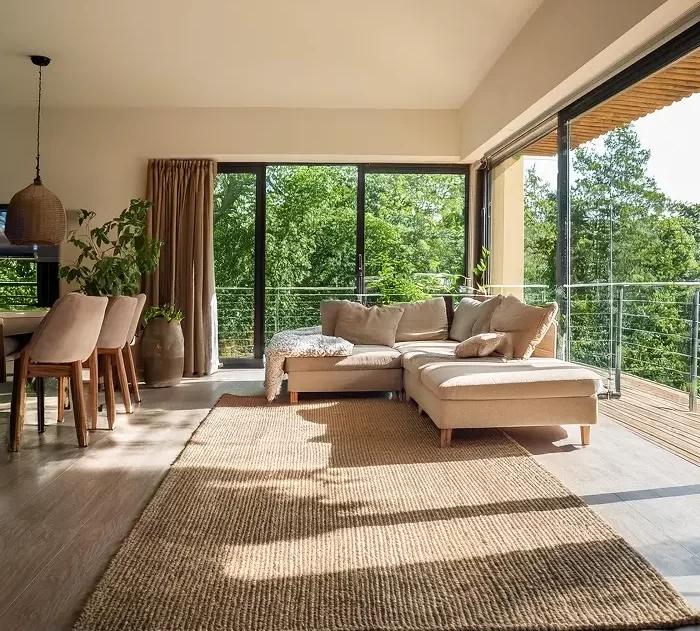
Jute rugs are known for their earthy textures, neutral tones, and eco-friendly production process. Because they are made from plant fibers, they introduce a natural aesthetic that works well in both traditional and contemporary interiors. In many homes, these rugs serve as both decorative pieces and practical flooring solutions that improve comfort.
This guide explores what jute rugs are, how they function in interior spaces, and the advantages they bring to modern homes. It also explains maintenance tips, design compatibility, and important considerations when selecting natural fiber rugs.
Understanding What Jute Rugs Are and Why They Are Popular in Natural Interior Design Styles
Jute rugs are woven from fibers derived from the jute plant, which grows primarily in tropical climates. The fibers are harvested, dried, and spun into threads that are then woven into durable rugs.
Because of their organic origin, jute rugs bring a natural and relaxed atmosphere to indoor spaces. Designers often use them to soften modern interiors and add texture to minimalist rooms.
Several factors explain their growing popularity:
- They are made from renewable plant materials
- Their neutral colors complement many décor styles
- They provide a warm, earthy look that feels welcoming
- Their texture adds visual interest to floors
Many interior designers incorporate jute rugs dubai into living rooms, bedrooms, and lounge areas to introduce natural design elements while maintaining a refined aesthetic.
In addition, jute rugs blend well with wood furniture, linen fabrics, and natural lighting, making them a versatile choice for contemporary interiors.
Key Characteristics That Make Natural Jute Rugs Suitable for Modern Living Spaces
Jute rugs have distinctive properties that make them practical for many interior spaces. Their structure and material composition provide both visual and functional benefits.
Important characteristics include:
Natural Texture
Jute fibers create a textured surface that adds depth to flooring. This texture works particularly well in neutral or minimalist rooms where visual contrast is needed.
Lightweight Construction
Compared with many synthetic rugs, jute rugs are relatively lightweight. This makes them easy to reposition or move when cleaning or rearranging furniture.
Breathable Fiber Structure
Natural fibers allow air circulation within the rug, which helps prevent moisture buildup when used in well-ventilated spaces.
Eco-Friendly Production
Jute plants grow quickly and require fewer chemicals than many synthetic materials, making them an environmentally responsible option.
These characteristics explain why jute rugs are frequently selected for homes that prioritize sustainability and natural design.
Environmental Advantages of Choosing Natural Fiber Rugs for Sustainable Homes
One of the strongest reasons homeowners choose jute rugs is their environmental impact. Natural fibers are widely considered more sustainable than synthetic alternatives.
The ecological benefits include:
- Renewable resource: Jute plants grow quickly and can be harvested annually.
- Biodegradable material: Unlike synthetic fibers, jute decomposes naturally over time.
- Low energy production: Processing jute requires less energy compared with synthetic carpet manufacturing.
- Minimal chemical use: Many jute fibers are processed without heavy chemical treatments.
These advantages make jute rugs a popular option for eco-conscious households.
Natural flooring materials are often compared with other plant-based carpets as well. For example, people researching outdoor natural carpets sometimes explore topics like can sisal rugs be used outdoors to better understand how different plant fibers behave in various environments.
Although jute is typically recommended for indoor use, its environmental qualities make it a strong choice for sustainable interior design.
How Jute Rug Textures and Colors Complement Different Interior Design Themes
One of the most appealing features of jute rugs is their visual versatility. Because they usually come in neutral tones, they can complement a wide variety of décor styles.
Scandinavian Interiors
In Scandinavian design, simplicity and natural materials are key elements. Jute rugs enhance this style by adding warmth without overpowering minimal spaces.
Bohemian Interiors
Bohemian décor often combines layered textures, plants, and handcrafted elements. Jute rugs work well here because they contribute to the relaxed and organic feel of the room.
Coastal Design
Coastal interiors often include light colors, natural fabrics, and airy spaces. Jute rugs reinforce this aesthetic by introducing sandy tones and earthy textures.
Contemporary Minimalism
Even modern minimalist homes benefit from jute rugs because they soften clean architectural lines and create a more welcoming environment.
Designers sometimes pair natural rugs with colored carpets or accent pieces, such as a green rug, to introduce subtle color contrasts while maintaining a balanced interior palette.
Maintenance Tips to Keep Natural Fiber Rugs Clean and Long Lasting Indoors
Proper maintenance plays a key role in preserving the beauty of jute rugs. Because they are made from natural fibers, they require slightly different care compared with synthetic rugs.
Regular Vacuuming
Vacuuming helps remove dust and debris that may accumulate within the woven fibers. It is best to use suction-only settings without rotating brushes.
Spot Cleaning
If spills occur, blot the area gently with a dry cloth. Avoid rubbing the stain because this can damage the fibers.
Moisture Control
Jute fibers can absorb moisture, so rugs should be kept away from excessively damp areas.
Rug Rotation
Rotating the rug periodically ensures even wear and prevents specific areas from fading or flattening.
Protective Pads
Using rug pads underneath can prevent slipping and extend the rug’s lifespan.
By following these simple maintenance steps, homeowners can keep natural fiber rugs looking attractive for many years.
How Natural Rugs Compare With Other Plant-Based Flooring Materials
Jute is not the only natural fiber used for carpets and rugs. Several other plant-based materials are also popular in interior design.
Sisal
Sisal fibers are stronger and more rigid than jute. They are often used in high-traffic areas due to their durability.
Seagrass
Seagrass rugs are known for their moisture resistance and smooth surface texture.
Bamboo
Bamboo flooring is extremely durable and often used as a hard surface alternative to rugs.
Each of these materials has unique properties. Jute stands out for its softness and comfortable feel underfoot, making it especially suitable for relaxation spaces such as bedrooms or living rooms.
Safety considerations are also important when selecting flooring materials. Some environments may require specialized options such as fire retardant carpets designed to improve safety in certain interior settings.
Where Natural Fiber Rugs Work Best in Living Rooms Bedrooms and Hallways
Although jute rugs are versatile, some rooms benefit from them more than others. Choosing the right location helps maximize their longevity and appearance.
Living Rooms
Jute rugs can anchor seating areas while adding texture beneath coffee tables and sofas.
Bedrooms
In bedrooms, they create a soft, natural surface that enhances comfort when walking barefoot.
Hallways
They can also be used in hallways with moderate foot traffic, especially when combined with rug pads for stability.
Reading Corners
Small jute rugs are perfect for cozy reading areas or quiet corners of the home.
However, they are typically not recommended for spaces with frequent moisture exposure, such as bathrooms or kitchens.
Important Considerations Before Choosing Natural Rugs for Busy Homes
Before selecting a jute rug, homeowners should evaluate several practical factors.
Traffic Levels
High-traffic areas may cause faster wear on natural fibers. Consider placement carefully.
Moisture Exposure
Rooms with frequent spills or humidity may not be ideal environments for jute rugs.
Cleaning Requirements
Natural fibers require gentle cleaning methods to avoid damage.
Color Variations
Because jute is a natural material, slight color variations are common. These variations are part of the rug’s natural charm.
Rug Padding
Using a high-quality rug pad helps protect both the rug and the flooring underneath.
Understanding these considerations helps homeowners make informed decisions when incorporating natural fiber rugs into their living spaces.
Conclusion
Jute rugs offer a beautiful blend of sustainability, texture, and versatility for modern homes. Their natural fibers bring warmth and organic character to interiors while supporting environmentally responsible design choices.
From living rooms and bedrooms to cozy reading corners, these rugs provide both functional comfort and decorative appeal. By understanding their characteristics, maintenance needs, and ideal placement, homeowners can enjoy the long-lasting benefits of natural fiber flooring.
FAQs
What are jute rugs made from and how durable are they?
Jute rugs are made from the fibers of the jute plant, a natural crop grown mainly in tropical regions. While they are durable enough for moderate indoor use, they are generally softer and less rigid than materials like sisal.
Are natural fiber rugs safe for homes with children and pets?
Yes, natural fiber rugs are often considered safe because they are made from plant materials and typically contain fewer synthetic chemicals than many manufactured carpets.
Do jute rugs work well in humid climates or coastal areas?
Jute rugs can be used in humid regions if the room is well ventilated. However, prolonged moisture exposure should be avoided to prevent fiber damage.
How can homeowners maintain the natural texture of jute rugs?
Regular vacuuming, gentle spot cleaning, and avoiding excessive moisture are the most effective ways to maintain the texture and appearance of jute rugs.
What interior styles match well with natural jute rugs?
Jute rugs complement many design styles, including Scandinavian, coastal, bohemian, minimalist, and modern interiors due to their neutral tones and organic texture.