
Kilim rugs are among the most distinctive textile traditions in the world. Known for their flat-woven structure, bold geometric designs, and cultural symbolism, these rugs have been part of interior design for centuries. Today, they are admired not only for their historical value but also for their ability to blend beautifully with modern décor styles.
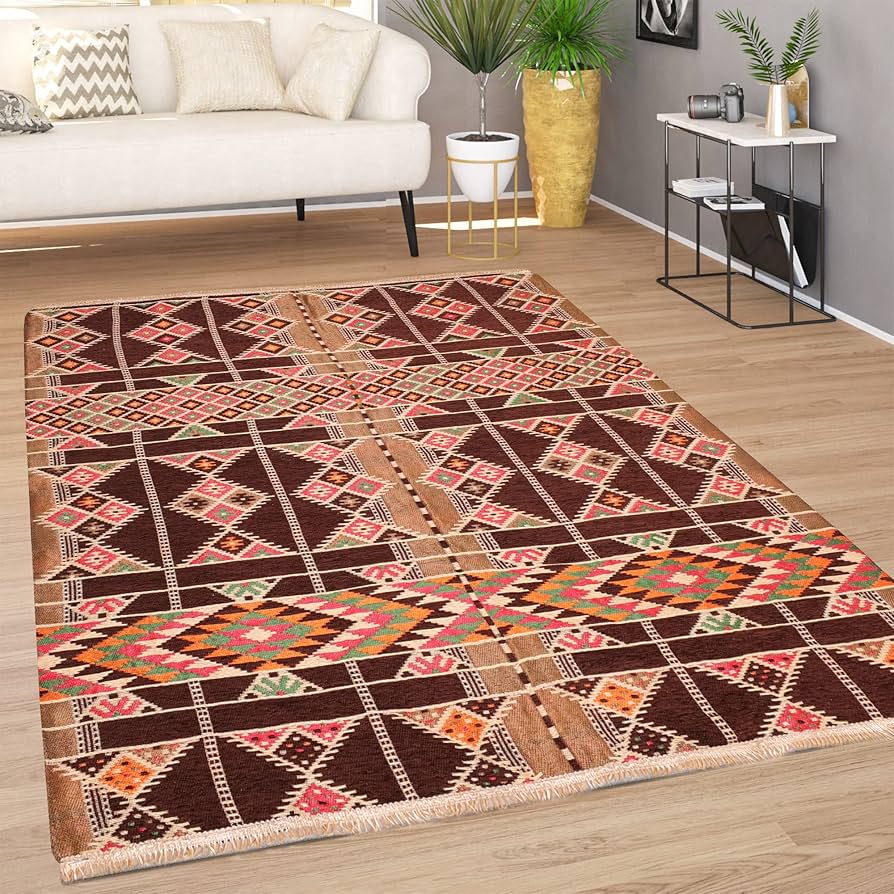
Unlike thick pile carpets, kilim rugs have a lightweight and flexible structure created through flat-weaving techniques. This method produces vibrant patterns and sharp color contrasts that make kilim rugs visually striking. Their unique construction also makes them practical for many types of interior spaces.
In recent years, homeowners and designers have rediscovered the beauty of kilim rugs, especially in contemporary interiors. Their cultural authenticity, sustainable materials, and artistic appeal make them an attractive addition to living rooms, bedrooms, and creative spaces.
The Cultural Origins of Kilim Rugs and How Flat-Weaving Traditions Influenced Modern Interior Design Trends
Kilim rugs originate from regions stretching across the Middle East, North Africa, Central Asia, and parts of Eastern Europe. Historically, nomadic tribes and village artisans created these rugs for everyday use in homes and tents.
Unlike decorative rugs made primarily for trade, kilims were woven for practical purposes such as:
- Floor coverings
- Wall decorations
- Storage sacks
- Bedding layers
Each region developed its own distinct weaving traditions and visual patterns. These patterns often reflected cultural identity, family heritage, and local artistic styles.
Today, these traditional designs inspire modern interiors. Designers frequently incorporate kilim rugs dubai into contemporary spaces because their geometric motifs add visual interest while maintaining a sense of authenticity.
How Kilim Rugs Differ from Pile Rugs in Weaving Structure, Texture, and Decorative Patterns
One of the most defining features of kilim rugs is their flat-weave construction. Unlike pile rugs, which have raised fibers forming a soft surface, kilims are created by tightly weaving horizontal and vertical threads together.
Key differences between kilim rugs and pile rugs include:
Flat surface texture
Kilim rugs have a smooth, flat surface without thick fibers or pile.
Lightweight structure
Because they lack pile, kilims are generally lighter and easier to move.
Reversible design
Many kilim rugs display similar patterns on both sides due to their weaving method.
Sharp geometric patterns
Flat weaving allows artisans to create crisp shapes and bold designs.
This structure makes kilim rugs highly versatile. They can be used as floor coverings, wall hangings, or decorative throws.
The Symbolic Geometric Patterns Commonly Found in Kilim Rugs and What They Represent Historically
Kilim rugs are not just decorative pieces; their patterns often carry symbolic meanings rooted in cultural traditions.
Common motifs include:
- Diamond shapes representing protection or balance
- Triangles symbolizing fertility or family heritage
- Animal figures reflecting strength and survival
- Star motifs representing harmony or guidance
These symbols were traditionally passed down through generations of weavers. In many cases, a rug served as a personal expression of the artisan’s life experiences, beliefs, and aspirations.
Understanding these symbols can add deeper appreciation to kilim rugs, transforming them from simple décor pieces into meaningful cultural artifacts.
How Kilim Rugs Can Enhance Modern, Bohemian, and Contemporary Home Décor Themes
Kilim rugs are highly adaptable and work well with a variety of interior design styles.
Modern interiors
In minimalist homes, kilim rugs add texture and color without overwhelming the space.
Bohemian décor
Boho interiors often feature layered textiles, and kilim rugs naturally fit this relaxed and artistic aesthetic.
Contemporary spaces
Bold patterns can create contrast in rooms dominated by neutral furniture and clean lines.
Designers sometimes combine kilim rugs with other natural fiber floor coverings such as jute carpets dubai to introduce multiple textures into a room. This layered approach creates visual depth while maintaining a cohesive natural theme.
The Materials Commonly Used in Kilim Weaving and How They Affect Durability and Sustainability
Traditional kilim rugs are typically woven using natural materials that are both durable and environmentally friendly.
Common materials include:
Wool
- Durable and long-lasting
- Naturally stain-resistant
- Soft yet resilient fibers
Cotton
- Often used in the rug’s foundation
- Provides structure and stability
Goat hair
- Occasionally used for strength and texture
Natural dyes derived from plants, minerals, and insects were historically used to color the yarns. These dyes produce rich, earthy tones that age gracefully over time.
Because these rugs rely on natural fibers, they are often considered a sustainable flooring option compared with synthetic materials.
Ways to Incorporate Kilim Rugs into Living Rooms, Bedrooms, and Creative Interior Design Layouts
Kilim rugs can be used creatively in many areas of the home. Their lightweight design allows them to serve multiple decorative purposes.
Living rooms
Place a kilim rug beneath a coffee table or seating area to create a focal point.
Bedrooms
Use a kilim rug near the bed for added warmth and texture underfoot.
Hallways
Long kilim runners can add personality to narrow spaces.
Wall décor
Because kilims are lightweight, they can also be displayed as textile wall art.
Some designers layer kilim rugs over larger natural rugs such as jute rugs dubai to add pattern without overpowering the room. This technique helps create a balanced and visually dynamic interior.
How to Maintain Kilim Rugs Properly to Preserve Their Colors, Patterns, and Structural Integrity
Proper care is essential to ensure kilim rugs remain beautiful for many years.
Regular maintenance tips
- Vacuum gently to remove dust and debris
- Rotate the rug every few months to prevent uneven wear
- Avoid prolonged exposure to direct sunlight
- Clean spills immediately using a soft cloth
Deep cleaning considerations
Because kilims are flat-woven, they can be more delicate than thicker rugs. Professional cleaning is often recommended for heavily soiled pieces.
Avoid harsh chemicals that may damage natural dyes or weaken the fibers.
The Growing Popularity of Natural Fiber Rugs and How They Influence Sustainable Interior Design
As sustainability becomes a growing priority in interior design, natural fiber rugs are gaining popularity worldwide. Kilim rugs fit perfectly within this movement because they are traditionally made using renewable materials and handcrafted techniques.
In modern homes and workplaces, designers often combine various eco-friendly flooring solutions. For example, large spaces may use wall to wall carpet in dubai alongside smaller decorative rugs like kilims to create layered flooring designs.
This approach balances functionality with aesthetics while reducing reliance on synthetic materials.
Natural rugs also contribute to healthier indoor environments since they typically contain fewer chemical treatments than mass-produced synthetic carpets.
Conclusion
Kilim rugs represent a fascinating blend of history, craftsmanship, and artistic expression. Their flat-woven structure, bold geometric patterns, and cultural symbolism set them apart from many other types of rugs.
In modern interiors, kilim rugs provide both visual impact and practical functionality. Their lightweight design, sustainable materials, and timeless patterns allow them to complement a wide range of décor styles, from minimalist apartments to eclectic bohemian homes.
By understanding their origins, materials, and care requirements, homeowners can appreciate kilim rugs not only as decorative pieces but also as meaningful works of traditional craftsmanship.
FAQs
What makes kilim rugs different from traditional carpets?
Kilim rugs are flat-woven without a raised pile. This gives them a thinner structure, lighter weight, and distinctive geometric patterns compared with traditional carpets.
Are kilim rugs durable enough for everyday home use?
Yes. Many kilim rugs are made from durable wool fibers, making them suitable for moderate foot traffic areas when maintained properly.
What materials are commonly used in kilim rugs?
Traditional kilim rugs are usually woven from wool, cotton, or sometimes goat hair, often dyed using natural plant-based pigments.
How do you clean and maintain kilim rugs properly?
Regular vacuuming, immediate spill cleaning, periodic rotation, and professional cleaning when necessary can help preserve kilim rugs.
Can kilim rugs work well in modern interior design styles?
Yes. Kilim rugs are widely used in modern interiors because their bold patterns and natural textures complement both minimalist and eclectic design styles.