
Vintage carpets are admired around the world for their unique character, craftsmanship, and timeless beauty. Unlike newly manufactured rugs, vintage carpets carry a sense of history that reflects the traditions, materials, and artistic styles of the time in which they were created. Their colors, textures, and patterns often tell a story about cultural heritage and skilled weaving techniques passed down through generations.
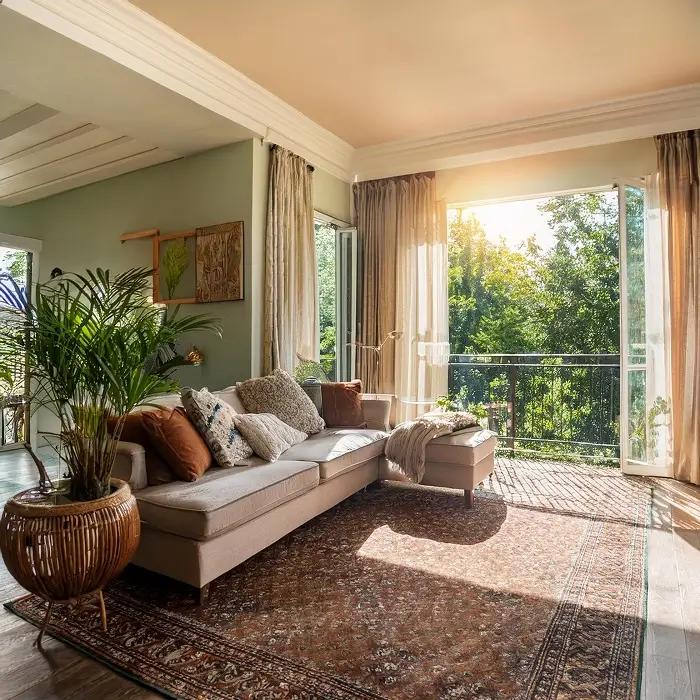
Interior designers and homeowners alike appreciate vintage carpets because they add personality and warmth to living spaces. These rugs often feature handwoven details, natural fibers, and intricate patterns that are rarely replicated in modern manufacturing processes. Over time, subtle fading and natural wear contribute to the authentic charm that many collectors and decorators value.
In this guide, we explore the origins, features, and care techniques of vintage carpets. Understanding their history and characteristics can help you appreciate why these rugs remain a popular choice for interior design enthusiasts and collectors around the world.
The Historical Origins of Vintage Carpets and How Traditional Weaving Methods Shaped Their Designs Over Centuries
The history of carpet weaving dates back thousands of years, with some of the earliest examples discovered in Central Asia and the Middle East. Many cultures developed distinctive weaving traditions that influenced the patterns and materials used in carpets.
Traditional weaving methods relied entirely on manual craftsmanship. Artisans used looms, natural fibers, and hand-dyed yarns to produce intricate rugs. Each region developed its own visual language expressed through color combinations, motifs, and weaving styles.
Common historical influences include:
- Persian geometric and floral motifs
- Turkish tribal patterns
- Caucasian symbolic shapes
- North African bold color contrasts
Because each carpet was made by hand, no two pieces were exactly alike. This individuality is one of the reasons vintage carpets continue to attract collectors and designers today.
How Vintage Carpets Differ from Antique and Modern Rugs in Materials, Age, and Artistic Value
Vintage carpets are often confused with antique rugs or modern reproductions, but there are key differences.
Generally speaking:
- Antique carpets are more than 100 years old.
- Vintage carpets are typically between 20 and 100 years old.
- Modern rugs are newly manufactured pieces using contemporary methods.
Vintage carpets represent a middle ground. They are old enough to display traditional craftsmanship but young enough to remain durable for everyday use.
Many vintage rugs were created using high-quality natural materials such as wool, cotton, or silk. These fibers age gracefully and often develop a soft patina over time.
Collectors often look for authenticity in handmade rugs such as vintage carpets because they showcase the artistic traditions of earlier generations while still fitting comfortably into modern living environments.
Key Design Characteristics That Make Vintage Carpets Recognizable in Traditional and Modern Interiors
Vintage carpets are visually distinctive due to their detailed patterns and balanced compositions. While styles vary across regions, several design characteristics commonly appear in vintage rugs.
Typical design elements include:
- Repeating geometric shapes
- Stylized floral patterns
- Medallion center designs
- Decorative borders
- Rich, earthy color palettes
These patterns were often symbolic. For example, certain shapes represented protection, prosperity, or harmony.
Another recognizable feature is the slightly faded color tone that occurs naturally with age. This aging process softens the overall appearance of the rug and makes it easier to blend with contemporary interior spaces.
Because of their artistic value, vintage carpets are frequently used as focal points in interior design. They can anchor a room, add depth to minimalist spaces, or complement traditional décor themes.
How Color Fading, Patina, and Wear Contribute to the Authentic Charm of Vintage Carpets
One of the most appealing aspects of vintage carpets is their aged appearance. Unlike new rugs, vintage pieces often show subtle signs of wear that enhance their character.
These natural changes may include:
- Slight color fading from sunlight exposure
- Softening of fibers over time
- Light wear patterns in high-traffic areas
- Gentle tonal variations across the surface
Rather than being considered flaws, these features often increase the aesthetic value of a vintage carpet.
The patina that develops over time adds depth and warmth to the rug’s appearance. Interior designers often prefer these softened tones because they blend easily with modern furniture and neutral color palettes.
The result is a piece that feels authentic and lived-in while still maintaining artistic beauty.
Important Factors to Consider When Identifying Authentic Vintage Carpets and Handmade Craftsmanship
Determining whether a carpet is truly vintage requires careful observation. Handmade rugs often reveal subtle details that distinguish them from machine-made alternatives.
Important signs of handmade craftsmanship include:
- Slight irregularities in pattern symmetry
- Hand-knotted fringe that is part of the rug structure
- Variations in color due to natural dyes
- Uneven but detailed weaving patterns
Turning the rug over can also help identify authenticity. Handwoven carpets typically display the same pattern on the back as on the front, though it may appear slightly less vivid.
Understanding these characteristics helps collectors and enthusiasts appreciate the craftsmanship involved in traditional weaving.
How Vintage Carpets Can Complement Minimalist, Classic, and Contemporary Interior Design Styles
One reason vintage carpets remain popular is their versatility. These rugs can enhance many different interior design styles, from traditional homes to modern apartments.
For example:
Minimalist interiors
- Vintage rugs add warmth and texture to simple spaces.
Classic interiors
- Traditional patterns complement antique furniture and rich color palettes.
Contemporary interiors
- Vintage carpets introduce contrast against modern furniture and clean lines.
Interestingly, vintage rugs can also work well in professional environments. Some designers incorporate similar textures or complementary flooring materials such as office tiles to create comfortable and visually balanced workspaces.
By blending old and new design elements, vintage carpets can create spaces that feel both timeless and contemporary.
Practical Tips for Maintaining Vintage Carpets and Preserving Their Fibers and Natural Dyes for Decades
Proper maintenance is essential for preserving the beauty and longevity of vintage carpets. Because many of these rugs are handmade using delicate natural fibers, they require careful handling.
Here are some helpful care tips:
1. Vacuum regularly but gently
Use a low-power vacuum without a rotating brush to prevent fiber damage.
2. Rotate the rug periodically
Rotating the carpet every few months helps distribute wear evenly.
3. Avoid excessive sunlight
Direct sunlight may accelerate fading, so positioning the rug strategically can help preserve its color.
4. Address spills immediately
Blot spills with a clean cloth rather than rubbing the fibers.
5. Consider professional cleaning
Specialized rug cleaning services understand how to treat delicate materials safely.
Maintaining vintage carpets carefully ensures they remain beautiful for generations.
Common Materials Used in Vintage Carpets and How They Influence Durability, Softness, and Longevity
The materials used in vintage carpets play a major role in their durability and appearance.
Common fibers include:
Wool
- Durable and resilient
- Naturally stain-resistant
- Soft texture underfoot
Cotton
- Often used in the rug foundation
- Provides structural strength
Silk
- Extremely fine and luxurious
- Often used in decorative pieces
Natural materials age differently from synthetic fibers. Over time, they develop a soft texture and unique patina that enhances the overall character of the carpet.
Neutral-toned rugs made with these materials can complement light interior palettes, particularly when paired with bright decorative elements such as white carpets or neutral furnishings.
In both residential and workspace environments, combining different flooring textures—like traditional rugs and office carpets—can help create visually dynamic interiors.
Conclusion
Vintage carpets represent far more than decorative floor coverings. They are pieces of cultural history that reflect traditional craftsmanship, regional artistry, and centuries of weaving heritage.
Their distinctive patterns, natural materials, and subtle aging give them a timeless appeal that works beautifully in both traditional and modern interiors. Whether used as a focal point in a living room or as an accent piece in a contemporary space, vintage carpets bring warmth, character, and authenticity to interior design.
By understanding their history, identifying authentic craftsmanship, and maintaining them properly, homeowners and collectors can preserve these remarkable pieces for many years to come.
FAQs
What defines a carpet as vintage rather than antique?
A carpet is generally considered vintage if it is between 20 and 100 years old. Rugs older than 100 years are typically classified as antique.
How can you identify an authentic vintage carpet?
Authentic vintage carpets often show signs of hand craftsmanship such as irregular weaving, natural dye variations, and hand-knotted fringes.
What materials are commonly used in vintage carpets?
Vintage carpets are commonly made from natural fibers such as wool, cotton, and silk. These materials provide durability and allow the rug to age gracefully.
Are vintage carpets suitable for high-traffic areas in homes?
Many vintage wool carpets are durable enough for moderate foot traffic, especially when maintained properly and rotated regularly.
How should vintage carpets be cleaned and maintained properly?
Regular gentle vacuuming, immediate spill treatment, periodic rotation, and occasional professional cleaning help preserve the beauty and longevity of vintage carpets.