
Sisal carpets have become increasingly popular in Abu Dhabi for both residential and commercial spaces. Known for their durability, natural texture, and eco-friendly properties,sisal carpets abu dhabi offer a unique blend of aesthetics and practicality. Choosing the right sisal carpet involves more than just picking a color or pattern; it requires understanding the different types of sisal, their textures, and how they perform in various environments.
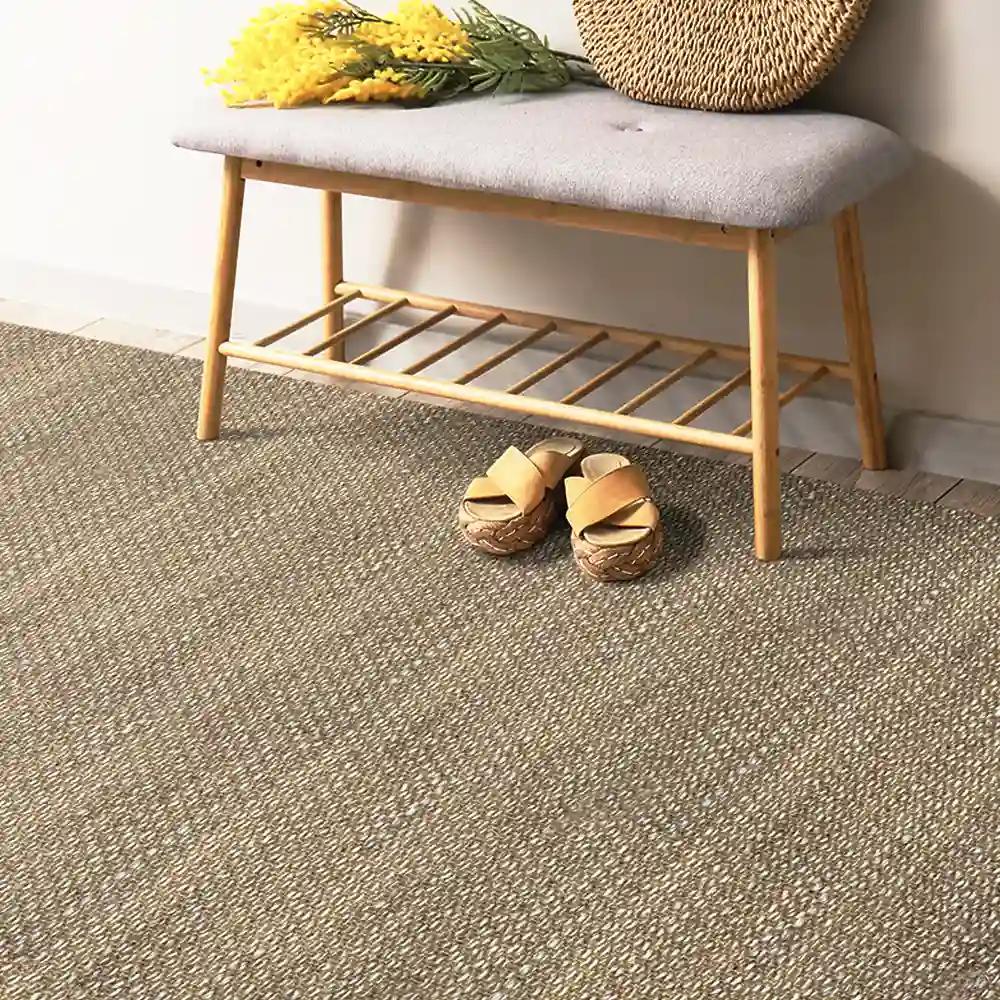
In a city like Abu Dhabi, where interiors are exposed to both high traffic and dust, selecting a carpet that combines longevity with style is crucial. Sisal carpets provide natural insulation, are hypoallergenic, and can complement a wide range of interior designs from modern minimalistic to traditional Arabian décor. This article will guide you through the essential factors to consider when selecting sisal carpets and maintaining them for long-lasting use.
From understanding the fiber properties to learning how to pair carpets with underlay and other flooring types, this comprehensive guide ensures you make an informed choice that suits both your practical needs and aesthetic preferences.
Understanding the Unique Features of Sisal Carpets for Home and Office Use
Sisal carpets are made from the fibers of the agave sisalana plant, which is a highly renewable resource. This natural fiber provides a firm texture, making it ideal for areas with heavy foot traffic. One of the most notable features of sisal carpets is their ability to retain shape and resist wear, even in busy environments.
The natural color palette of sisal ranges from ivory to golden brown, offering subtle sophistication to interiors. The texture provides a unique tactile experience underfoot, creating a balance between comfort and durability. Additionally, sisal carpets are naturally anti-static, reducing the attraction of dust and allergens—a key consideration in both homes and offices in Abu Dhabi, where air conditioning systems can circulate fine dust particles.
Another feature to consider is the weave pattern. Flat-weave sisal carpets are ideal for modern and minimalist interiors, while looped sisal carpets provide extra cushioning and a more luxurious feel. Understanding these distinctions helps homeowners and business owners choose a carpet that aligns with both functional and aesthetic requirements.
How Sisal Carpet Durability Affects Long-Term Flooring Performance
Durability is one of the strongest selling points of sisal carpets. The tightly woven fibers resist compression and abrasion, which means they maintain their appearance over time even in high-traffic areas. This makes sisal an excellent choice for living rooms, hallways, offices, and commercial spaces.
The longevity of sisal carpets also depends on the quality of the fibers and the weaving method. Premium-grade sisal has longer fibers and denser weaving, which improves its resilience. Regular maintenance, such as vacuuming and spot cleaning, ensures the fibers remain intact and the surface retains its natural luster.
One of the advantages of durable sisal carpets is their ability to adapt to different interior styles over time. Even as furniture arrangements change or office layouts are modified, a high-quality sisal carpet will maintain its structural integrity, making it a long-term investment in interior quality.
Comparing Different Carpet Textures and Weaves for Comfort and Style
The texture and weave of a sisal carpet significantly impact both comfort and aesthetic appeal. There are several common textures:
- Flat Weave: Smooth and firm, suitable for minimalist or modern interiors. Flat weave carpets are easier to clean and ideal for office spaces.
- Loop Pile: Offers a more cushioned feel while still maintaining durability. Looped textures create visual interest and can complement both contemporary and traditional interiors.
- Herringbone or Twill Patterns: These patterns add depth and sophistication to the floor design, making the space appear more structured and elegant.
When selecting the texture, consider the intended use of the room. Flat weave sisal is perfect for areas where furniture may be moved frequently, whereas looped or patterned weaves provide extra comfort and a luxurious appearance for living areas or executive offices.
How Carpets Underlay Enhances the Lifespan and Comfort of Sisal Carpets
Using a high-quality carpets underlay beneath your sisal carpet can significantly improve both comfort and durability. Underlay acts as a cushion, absorbing the impact of foot traffic and reducing wear on the fibers. It also helps maintain the carpet’s shape, preventing wrinkling or rippling over time.
In addition to increasing comfort, underlay provides insulation, helping to moderate room temperature and reduce noise. This is particularly valuable in office settings or apartments with multiple floors. Moreover, underlay can enhance safety by preventing slips and falls, a practical consideration for households with children or elderly residents.
Selecting the right underlay depends on the type of flooring beneath the carpet and the traffic intensity in the area. Rubber-based underlays provide excellent grip and shock absorption, while felt or foam options offer softer cushioning for low-traffic areas.
The Environmental Benefits of Using Natural Fiber Carpets in Abu Dhabi
Sisal carpets are not only practical but also environmentally friendly. Being made from renewable plant fibers, they reduce reliance on synthetic materials that contribute to pollution. The cultivation of sisal requires minimal water and no harmful chemicals, making it a sustainable choice for eco-conscious homeowners and businesses.
Additionally, sisal carpets are biodegradable, meaning they break down naturally at the end of their life cycle. This reduces landfill waste and contributes to a more sustainable interior design approach. Using natural fiber carpets also promotes healthier indoor air quality, as they do not emit harmful VOCs (volatile organic compounds) commonly found in synthetic carpets.
Choosing eco-friendly flooring like sisal aligns with global sustainability trends and supports initiatives for greener living spaces in Abu Dhabi, where environmental awareness is steadily increasing among property owners and interior designers.
How to Maintain and Clean Sisal Carpets for Maximum Longevity
Proper maintenance is essential to preserve the appearance and longevity of sisal carpets. The natural fibers are durable but can be susceptible to stains and moisture. Here are key tips for maintaining sisal carpets:
- Regular Vacuuming: Use a vacuum with a beater bar turned off to prevent fiber damage.
- Immediate Spill Cleaning: Blot spills with a dry cloth rather than rubbing, which can push liquids deeper into the fibers.
- Avoid Excessive Moisture: Sisal is naturally absorbent; water and cleaning solutions should be applied sparingly.
- Use Protective Mats: Place mats at entrances to minimize dirt and grit.
- Rotate Furniture: Occasionally move furniture to prevent uneven wear patterns.
- Professional Cleaning: Schedule deep cleaning with specialists familiar with natural fiber carpets.
Following these practices ensures that your sisal carpet remains attractive, functional, and hygienic over many years, especially in climates like Abu Dhabi’s where dust and sand can be pervasive.
Tips for Combining Sisal Carpets with Other Flooring Types for Aesthetic Appeal
Sisal carpets can be integrated with various flooring options to create visual interest and define spaces. Some practical tips include:
- Wood Flooring: Pairing sisal with light wood enhances natural textures and adds warmth to a room.
- Tile or Stone: Sisal provides softness against hard tile or stone floors, creating a balanced look and feel.
- Layering Rugs: Place a smaller patterned rug over a larger sisal carpet to add depth and style.
- Color Coordination: Use neutral tones to complement sisal’s natural color or add bold accents for contrast.
Combining flooring types with sisal carpets can help demarcate spaces in open-plan homes or offices, improve comfort, and elevate overall interior aesthetics.
How to Prevent Wear and Tear in High-Traffic Areas with Proper Placement
Strategic placement of sisal carpets can reduce wear and tear, prolonging their lifespan. Consider these guidelines:
- Place high-traffic paths on durable, flat-weave sections.
- Use protective runners in entryways and corridors.
- Rotate the carpet periodically to distribute wear evenly.
- Avoid placing heavy furniture directly on thin or delicate areas without padding.
By planning carpet layout thoughtfully, homeowners and businesses can maintain both appearance and functionality while minimizing damage in busy areas.
Conclusion
Choosing the right sisal carpet in Abu Dhabi requires careful consideration of texture, weave, durability, and environmental benefits. Understanding how to pair carpets with proper underlay, maintain them effectively, and integrate them into interior designs ensures a long-lasting, aesthetically pleasing result. Sisal carpets offer a blend of comfort, elegance, and sustainability that makes them a versatile flooring choice for any space.
Integrating jute rug elements, considering vinyl carpet flooring alternatives, and using carpets underlay effectively can further enhance performance and style. Whether for homes, offices, or commercial spaces, a well-chosen sisal carpet can transform the look and feel of a room while providing long-term durability and eco-friendly benefits.
FAQs
What are sisal carpets made of?
Sisal carpets are made from the fibers of the agave sisalana plant. These natural fibers are strong, durable, and eco-friendly, making them ideal for various flooring applications.
How long do sisal carpets typically last?
With proper maintenance and quality underlay, sisal carpets can last 10 to 15 years or more, depending on traffic and environmental conditions.
Can sisal carpets be used in high-traffic areas?
Yes, sisal carpets are particularly suited for high-traffic areas due to their firm texture and resistance to wear and tear.
How do carpets underlay improve sisal carpet performance?
Underlay provides cushioning, reduces wear, prevents slipping, and improves insulation, thereby extending the life and comfort of sisal carpets.
What cleaning methods are safe for sisal carpets?
Vacuuming regularly, blotting spills immediately, and avoiding excessive moisture are key methods. Professional cleaning is recommended for deep cleaning without damaging fibers.
Are sisal carpets environmentally friendly?
Yes, sisal carpets are made from renewable plant fibers and are biodegradable, reducing environmental impact compared to synthetic carpets.
How do sisal carpets compare to other natural fiber rugs?
Sisal is more durable and firm compared to softer fibers like jute or coir. Its natural texture and resistance to wear make it suitable for both residential and commercial spaces.
What types of rooms benefit most from sisal carpets?
Living rooms, hallways, offices, and commercial spaces benefit from sisal carpets due to their durability, natural aesthetic, and hypoallergenic properties.