
Selecting the perfect carpet for your living space can be both exciting and overwhelming, especially when it comes to vintage pieces. Vintage carpets are celebrated for their rich textures, intricate patterns, and historical value. They bring a unique charm to any home, blending elegance and comfort while reflecting centuries of craftsmanship. Choosing the right vintage carpet requires knowledge about the different types, materials, and care techniques to ensure your investment not only enhances your space aesthetically but also stands the test of time.
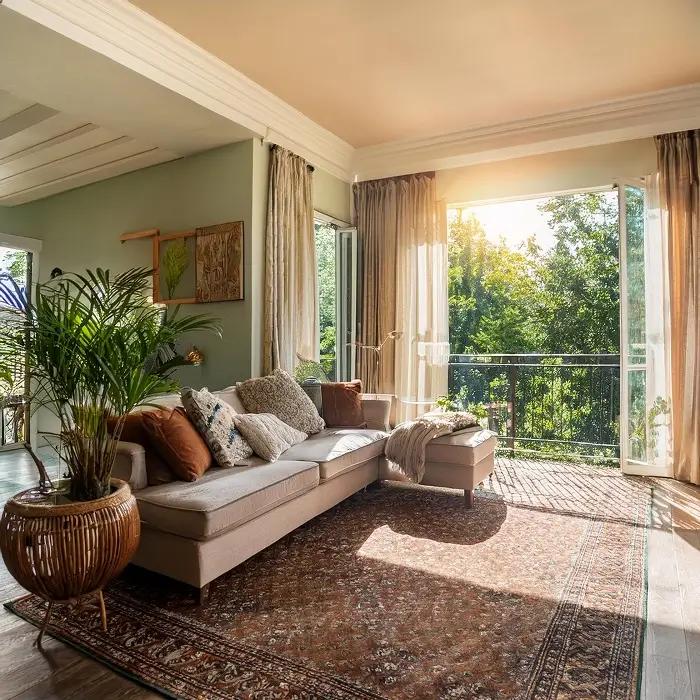
In addition to their visual appeal, vintage carpets serve as functional décor elements. They can define spaces, soften hard flooring, and add warmth to rooms. Whether placed in a living room, bedroom, or hallway, a vintage carpet can transform the atmosphere, making a space feel more inviting and sophisticated. However, the process of selecting one involves understanding authenticity, material quality, and compatibility with your interior design.
This comprehensive guide will help you navigate the world of vintage carpets. From identifying genuine pieces to maintaining them properly, we will cover everything you need to know to make an informed decision. By the end, you’ll have a clear understanding of how to select a vintage carpet that enhances both the aesthetics and comfort of your home.
Understanding the History and Appeal of Vintage Carpets
Vintage carpets are more than just floor coverings; they are pieces of art that reflect cultural heritage and traditional craftsmanship. Many vintage carpets are handwoven using time-honored techniques passed down through generations, resulting in a distinct texture and design that cannot be replicated by modern machines.
Historically, these carpets were crafted in regions such as Persia, Turkey, and North Africa, with each area developing its own unique patterns and motifs. The appeal of vintage carpets lies not only in their visual beauty but also in their ability to tell a story. The wear and patina they develop over time contribute to their character, giving each piece a sense of history and uniqueness that new carpets often lack.
Collectors and interior designers alike value vintage carpets for their rarity and timeless appeal. The blend of color, pattern, and texture makes them versatile additions to various interior styles, from traditional to eclectic. Understanding the historical context of these carpets can help homeowners appreciate their craftsmanship and make informed choices about which pieces will suit their living spaces.
Different Types of Vintage Carpets and Their Materials
Vintage carpets come in a wide range of types, each with distinct characteristics based on their region of origin and weaving technique. Some of the most common types include:
- Persian Rugs: Known for intricate floral patterns and rich color schemes. Often made from high-quality wool or silk.
- Turkish Rugs: Characterized by bold geometric patterns and durable wool construction.
- Moroccan Rugs: Typically feature unique textures, often made from natural sheep wool, with shaggy and plush surfaces.
- Caucasian Rugs: Display striking motifs and bright colors, traditionally woven with hand-spun wool.
The materials used in vintage carpets significantly influence their durability and texture. Wool is the most common material, providing softness, resilience, and natural stain resistance. Silk, on the other hand, offers a luxurious sheen and delicate texture but requires careful handling. Cotton is often used for the foundation of the carpet, contributing to its structural integrity.
Choosing a vintage carpet involves balancing material preferences with practical considerations. For high-traffic areas, wool carpets are generally more suitable, while silk carpets are ideal for low-traffic spaces where visual elegance is the priority. Understanding these differences ensures that the carpet you select will meet both aesthetic and functional requirements.
How to Identify Authentic Vintage Carpets from Replicas
Determining the authenticity of a vintage carpet can be challenging, especially given the proliferation of reproductions in the market. Several key factors help distinguish genuine vintage pieces:
- Knot Density: Authentic vintage carpets often have a higher knot density, which contributes to the detail and clarity of the design.
- Materials: Vintage carpets are primarily made from natural fibers like wool, silk, or cotton. Synthetic fibers may indicate a reproduction.
- Signs of Aging: Genuine vintage carpets display natural wear and slight fading in colors due to age and use.
- Design Consistency: Handmade carpets may have minor irregularities, whereas machine-made replicas are perfectly uniform.
Consulting experts or using specialized resources can help verify a carpet’s authenticity. Additionally, examining the back of the carpet provides insight into the weaving technique, which is often a telltale sign of genuine craftsmanship.
By carefully assessing these factors, homeowners can avoid replicas and select a carpet that not only adds beauty to their space but also retains historical and cultural value.
The Benefits of Adding Vintage Carpets to Home Interiors
Incorporating a vintage carpet into your home décor provides both aesthetic and functional advantages:
- Timeless Elegance: Vintage carpets offer patterns and colors that never go out of style, ensuring your décor remains sophisticated for years.
- Durability: Handwoven vintage carpets are crafted to last, often outliving modern machine-made alternatives.
- Warmth and Comfort: They provide natural insulation and a soft surface, enhancing the comfort of your living spaces.
- Versatility: Available in various sizes, colors, and patterns, vintage carpets can complement traditional, contemporary, or eclectic interiors.
- Storytelling Element: Each carpet carries a unique history, adding character and depth to your home.
The presence of a vintage carpet can transform a room by providing a focal point, enhancing visual harmony, and creating a welcoming atmosphere. Its texture and patterns can also be used to tie together other design elements, such as furniture, curtains, and accessories.
How to Maintain and Clean Vintage Carpets Effectively
Proper maintenance is crucial to preserve the beauty and longevity of a vintage carpet. Here are key strategies:
- Regular Vacuuming: Use a vacuum without a beater bar to gently remove dust and dirt without damaging fibers.
- Spot Cleaning: Address spills immediately using mild soap and cold water. Blot, don’t rub, to prevent fiber damage.
- Professional Cleaning: Periodic professional cleaning ensures deep-seated dirt is removed and colors are preserved.
- Rotate Regularly: Rotating the carpet prevents uneven wear and sun fading.
- Avoid Direct Sunlight: Prolonged exposure can cause colors to fade. Use curtains or blinds to protect the carpet.
By following these practices, homeowners can maintain the original texture and vibrancy of their vintage carpets while prolonging their lifespan.
Choosing Vintage Carpets That Complement Various Interior Styles
Matching a vintage carpet to your home’s interior style requires careful consideration of patterns, colors, and scale:
- Traditional Interiors: Opt for Persian or Turkish carpets with intricate designs and rich, warm colors to complement classic furniture and wood accents.
- Modern or Minimalist Interiors: Neutral-toned carpets or Moroccan rugs with simple patterns can add texture without overwhelming the space.
- Eclectic Spaces: Mix and match multiple vintage carpets to create a layered, artistic look, combining patterns and textures for visual interest.
- Bohemian Interiors: Kilim or tribal-inspired carpets can enhance a free-spirited, relaxed atmosphere, incorporating bold geometric motifs and vibrant colors.
The key is to select carpets that harmonize with existing décor while standing out as a distinctive element. A carefully chosen vintage carpet can bridge styles, blending traditional charm with contemporary sensibilities.
Common Mistakes to Avoid When Buying Vintage Carpets
Purchasing vintage carpets requires attention to detail. Common mistakes include:
- Ignoring Authenticity: Buying replicas unintentionally diminishes the carpet’s value and character.
- Overlooking Size and Scale: Choosing an incorrectly sized carpet can disrupt room proportions.
- Neglecting Material Considerations: Selecting a delicate material for high-traffic areas leads to premature wear.
- Overloading Patterns: Combining too many patterned elements may create visual clutter.
- Failing to Inspect for Damage: Tears, moth damage, or stains can affect both aesthetics and durability.
Being mindful of these pitfalls ensures that the selected carpet enhances the space and retains its integrity over time.
How Vintage Carpets Affect Room Ambiance and Comfort
Vintage carpets influence both the visual and tactile experience of a room. Their textures provide warmth underfoot, while intricate patterns add depth and complexity to the décor. They can soften stark interior elements, reduce echo in rooms with hard surfaces, and create a cohesive aesthetic.
The color palette of a vintage carpet also impacts the mood. Warm tones like reds, oranges, and browns create a cozy, inviting environment, while cooler shades such as blues and greens evoke calm and tranquility. Moreover, the layering effect of a vintage carpet over hardwood, tile, or stone flooring enhances the room’s overall comfort and visual appeal.
In some cases, vintage carpets are used as artistic centerpieces, drawing attention to specific areas, such as living room seating arrangements or dining areas. Their presence can subtly influence furniture layout and décor choices, making them a critical design element in any home.
office tiles and Their Role in Home Spaces
While vintage carpets are often the centerpiece of home décor, complementary flooring options like office tiles provide practical benefits. They offer durability and ease of maintenance in areas like study rooms, home offices, or high-traffic zones. Integrating office tiles with vintage carpets can create a layered design, balancing elegance with functionality.
Office tiles come in various textures and finishes, enabling seamless transitions between rooms while maintaining a cohesive look. Choosing neutral-toned tiles allows the vibrant patterns of vintage carpets to stand out without visual conflict.
white carpets for Highlighting Vintage Pieces
Adding white carpets in areas adjacent to vintage carpets can create contrast and emphasize the intricate patterns and colors of vintage rugs. White carpets reflect light, making spaces appear larger and brighter, while providing a neutral backdrop that accentuates the unique details of the vintage pieces.
This combination works well in modern or minimalist interiors, where the focus is on visual clarity and sophistication. It also allows homeowners to experiment with layering textures, combining the softness of a white carpet with the rich tactile experience of vintage rugs.
office carpets as Functional Enhancements in Home Interiors
In addition to decorative use, office carpets serve functional purposes in home environments. They help reduce noise, add comfort underfoot, and protect flooring in areas where chairs, desks, or other furniture are frequently moved. Pairing office carpets with vintage pieces allows for a practical, yet aesthetically pleasing, balance between form and function.
Strategically placing office carpets in high-traffic areas or workspaces preserves vintage carpets from wear and tear while maintaining a cohesive design aesthetic.
vintage carpets as Timeless Design Investments
Ultimately, incorporating vintage carpets into your home offers both aesthetic and historical value. They are versatile, durable, and capable of transforming any space into a warm and inviting environment. When chosen thoughtfully, vintage carpets become long-term design investments that can be appreciated for generations, blending beauty, comfort, and cultural significance.
Conclusion
Selecting the right vintage carpet requires a blend of aesthetic intuition and practical knowledge. By understanding the history, types, materials, and maintenance of vintage carpets, homeowners can make informed choices that enhance both style and comfort. Complementing vintage pieces with functional elements like office tiles, white carpets, and office carpets ensures a harmonious and well-balanced interior. When chosen carefully, vintage carpets provide timeless elegance, enrich room ambiance, and offer a tactile and visual experience that elevates any home décor.
FAQs
What defines a carpet as vintage?
A vintage carpet is typically at least 20–30 years old and reflects traditional weaving techniques, patterns, and materials unique to its region of origin. Its age, craftsmanship, and historical value distinguish it from modern rugs.
How can I identify authentic vintage carpets?
Authentic vintage carpets are handmade using natural fibers like wool, silk, or cotton. Signs of aging, irregularities in patterns, and high knot density are indicators of authenticity.
What materials are commonly used in vintage carpets?
Most vintage carpets are made from wool, which provides durability and softness. Silk carpets offer luxury and sheen, while cotton is often used for the foundation to maintain structure.
How do I clean and maintain a vintage carpet?
Regular vacuuming, immediate spot cleaning, periodic professional cleaning, rotating the carpet, and protecting it from direct sunlight help maintain the carpet’s texture, color, and longevity.
Which interior styles suit vintage carpets best?
Vintage carpets are versatile and complement traditional, eclectic, modern, minimalist, and bohemian interiors. Choosing colors and patterns that harmonize with existing décor ensures the best results.
Are vintage carpets durable for high-traffic areas?
Yes, especially those made of wool. However, delicate materials like silk are better suited for low-traffic areas to prevent damage.
How does a vintage carpet influence room aesthetics?
A vintage carpet adds warmth, depth, and texture to a room. Its colors and patterns can define a space, create focal points, and enhance overall interior harmony.
How can I combine vintage carpets with other flooring options?
Pairing vintage carpets with functional elements such as office tiles or office carpets protects the rug, balances style and function, and creates a visually appealing layered effect.
Can white carpets enhance vintage carpets?
Yes, white carpets can provide contrast, highlight patterns, reflect light, and make spaces feel larger while complementing the colors and textures of vintage carpets.
What are common mistakes to avoid when buying vintage carpets?
Avoid overlooking authenticity, selecting the wrong size, neglecting material suitability for the space, overloading patterns, and failing to inspect for damage. These mistakes can compromise both aesthetics and durability.