
Kilim rugs have long been admired for their vibrant patterns, flatweave construction, and cultural significance. In Dubai, these rugs are becoming increasingly popular as homeowners and designers seek pieces that blend artistry with functionality. Kilim rugs are not only decorative elements but also serve practical purposes in various interior settings. Their lightweight and versatile nature make them suitable for living rooms, bedrooms, hallways, and even office spaces, adding texture, warmth, and a visual focal point.
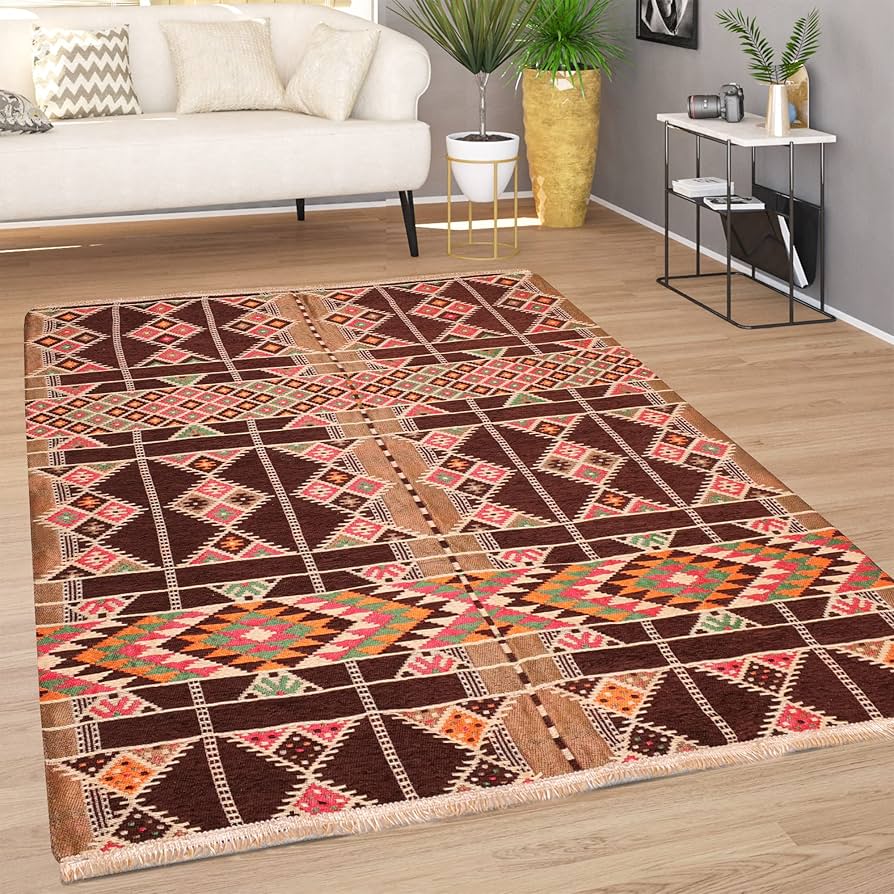
Understanding Kilim rugs requires exploring their history, weaving techniques, and materials. Each rug carries a story, often reflecting the cultural heritage of the region in which it was made. Unlike traditional pile rugs, Kilim rugs have a flatweave design that emphasizes geometric patterns and bold colors. This construction method allows for easy maintenance while providing a durable and stylish floor covering. In this guide, we will delve into the nuances of Kilim rugs in Dubai, their comparison with other floor coverings, and tips for selecting the right piece for your home.
Additionally, the guide covers complementary flooring options such as jute carpets dubai and jute rugs dubai, as well as considerations for wall to wall carpet in dubai. By understanding the features and care requirements of Kilim rugs and related flooring, you can make informed choices that enhance your interior design while maintaining practicality and durability.
Introduction to Kilim Rugs and Their Cultural Significance
Kilim rugs are traditional flatweave rugs that have been produced for centuries across regions such as Turkey, Iran, and North Africa. These rugs are notable for their geometric patterns, vibrant colors, and symbolic motifs, which often convey cultural stories and regional identity. Unlike pile rugs, Kilims are woven using a flatweave technique, which produces a thin and durable rug without a soft pile surface.
The cultural significance of Kilim rugs extends beyond their aesthetic appeal. Many motifs found in these rugs carry meanings related to protection, fertility, and spirituality, reflecting the traditions of the communities that produced them. In Dubai, these rugs are appreciated not only for their beauty but also for the cultural heritage they bring into modern interiors. Their flatweave construction makes them ideal for layering, creating visual contrast, and integrating with various furniture styles.
Collectors and interior enthusiasts in Dubai often seek Kilim rugs for their historical value and versatile design. By incorporating these pieces into contemporary homes, designers can merge traditional artistry with modern living spaces, creating unique and meaningful interiors.
Materials and Weaving Techniques Used in Kilim Rugs
Kilim rugs are predominantly made from natural fibers, with wool being the most common due to its durability, softness, and ability to hold vibrant dyes. Some high-end pieces may also incorporate silk for added sheen and detail. Cotton is often used for the foundation threads, providing structural stability to the rug.
The weaving process involves interweaving the warp (vertical threads) and weft (horizontal threads) to create a tight, flat surface. This flatweave technique distinguishes Kilim rugs from pile rugs, which have tufts of yarn extending from the surface. Kilim weaving requires skill and precision, particularly when creating complex geometric designs and color transitions. Artisans often use natural dyes derived from plants, insects, or minerals, resulting in colors that age gracefully and complement a variety of interiors.
Understanding these materials and techniques is crucial when selecting a Kilim rug. Knowledge of fiber types, weaving methods, and dye sources can help determine the rug’s quality, durability, and suitability for different spaces. A well-crafted Kilim rug can last for decades while maintaining its visual and structural integrity.
How to Choose the Right Kilim Rug for Different Rooms
Selecting a Kilim rug involves considering both aesthetic preferences and functional requirements. The size, pattern, and color should align with the room’s purpose and existing décor:
- Living Rooms: Opt for larger rugs with bold geometric patterns to anchor seating areas and create visual interest.
- Bedrooms: Smaller rugs or runners can be placed beside the bed for warmth and comfort.
- Hallways and Entryways: Flatweave Kilims are durable and easy to clean, making them ideal for high-traffic areas.
- Office Spaces: Neutral-toned Kilims can enhance professional settings while adding texture without overwhelming the design.
The key is to balance the rug’s design with the room’s color scheme and furniture layout. Choosing the right rug can define the space, create harmony, and enhance overall visual appeal. Additionally, layering a jute rugs dubai piece over a Kilim can provide extra texture and dimension.
Differences Between Kilim Rugs and Other Traditional Rugs
Kilim rugs differ from other traditional rugs in several key ways:
- Construction: Kilims are flatwoven without a pile, while other traditional rugs, like Persian or Turkish rugs, typically have a plush pile.
- Design: Kilims emphasize geometric and symbolic motifs, whereas pile rugs often feature intricate floral or curvilinear patterns.
- Thickness: Kilims are lightweight and thin, making them easier to move and layer compared to heavier pile rugs.
- Maintenance: Flatweave Kilims are easier to clean and less prone to trapping dust, unlike thicker, high-pile rugs.
These distinctions make Kilim rugs versatile and suitable for contemporary interiors, while other traditional rugs may better suit classic or luxurious settings.
Benefits of Using Kilim Rugs in Modern Interiors
Kilim rugs offer several advantages when incorporated into modern home designs:
- Versatility: Their geometric patterns and flatweave structure allow them to blend with contemporary, minimalist, or eclectic décor.
- Durability: The tight weave and natural fibers make Kilims resilient to daily wear and tear.
- Visual Appeal: Bold colors and motifs can act as focal points or accent pieces in any room.
- Easy Maintenance: Flatweave construction makes cleaning straightforward, preventing dust accumulation.
- Layering Potential: Kilims can be layered with other rugs, such as jute carpets dubai, to create a textured and dynamic flooring composition.
These benefits make Kilim rugs not only decorative but also practical for modern living spaces, providing style, comfort, and functionality.
How to Maintain Kilim Rugs for Longevity and Beauty
Maintaining a Kilim rug involves routine care and preventative measures:
- Regular Vacuuming: Use a gentle vacuum to remove dust and debris without damaging fibers.
- Spot Cleaning: Blot spills immediately with a clean cloth; avoid rubbing to prevent fiber damage.
- Professional Cleaning: Schedule periodic professional cleaning to remove deep-seated dirt and preserve colors.
- Rotate the Rug: Prevent uneven fading and wear by rotating the rug every few months.
- Sunlight Protection: Keep rugs away from prolonged direct sunlight to maintain vibrant colors.
Proper care ensures that Kilim rugs retain their structural integrity, aesthetic appeal, and longevity, making them valuable additions to any interior.
Exploring Jute Carpets and Rugs as Complementary Floor Coverings
Jute carpets and rugs are natural fiber alternatives that complement Kilim rugs. They are eco-friendly, lightweight, and add a neutral, textured layer to any space. Integrating jute carpets dubai or jute rugs dubai with Kilims can:
- Enhance the visual depth of layered flooring
- Provide additional warmth and comfort
- Balance bold patterns of Kilim rugs with natural, earthy tones
- Create a sustainable and eco-conscious design element
By combining Kilim rugs with jute alternatives, homeowners can achieve a harmonious and stylish flooring composition.
Wall to Wall Carpet in Dubai: When to Opt for Complete Coverage
While Kilim and jute rugs provide flexibility, there are occasions where wall to wall carpet in dubai is preferable:
- Large Living Spaces: Continuous carpet coverage can unify the room and enhance acoustics.
- Bedrooms: Wall-to-wall carpeting creates a cozy, soft environment underfoot.
- Office Areas: Reduces noise and adds insulation while providing a consistent aesthetic.
Wall-to-wall carpets complement area rugs by providing a base layer, especially in spaces where comfort and cohesion are priorities. Combining complete coverage with strategically placed Kilim or jute rugs allows for both style and functionality.
Styling Tips for Combining Kilim Rugs with Other Decor Elements
Layering Kilim rugs with furniture, textiles, and complementary rugs can elevate your interior design:
- Use neutral furniture to allow Kilim patterns to stand out
- Layer with natural fiber rugs for texture and depth
- Match color accents in cushions, throws, and curtains to the rug’s palette
- Place small Kilim runners in hallways or entryways for visual continuity
These strategies enable homeowners to highlight the unique character of Kilim rugs while maintaining a balanced and cohesive design.
FAQs
What makes Kilim rugs unique compared to other rugs?
Kilim rugs are flatwoven with geometric patterns and symbolic motifs, unlike pile rugs, which typically feature plush textures and floral designs.
How are Kilim rugs traditionally made?
They are woven by hand using natural fibers like wool or cotton, interweaving warp and weft threads to create a tight, durable, flat surface.
Can Kilim rugs suit modern interior designs?
Yes, their bold patterns and flatweave structure make them versatile, blending seamlessly with contemporary, minimalist, and eclectic spaces.
How should I clean and care for a kilim rugs dubai?
Regular vacuuming, immediate blotting of spills, periodic professional cleaning, rotation, and sun protection are essential for maintaining Kilim rugs.
What are the advantages of jute rugs and carpets?
Jute rugs are eco-friendly, lightweight, and add neutral texture, complementing Kilim rugs and enhancing layered flooring designs.
When is wall to wall carpeting a good choice?
It is ideal for large living spaces, bedrooms, or office areas where continuous coverage, comfort, and noise reduction are priorities.
How can Kilim rugs be styled with existing furniture?
Pair neutral furniture with Kilim rugs, layer with natural fiber rugs, and coordinate color accents with the rug’s palette to achieve a cohesive and visually appealing design.