
When it comes to selecting the perfect flooring for your home, choosing a rug that combines durability, aesthetics, and eco-friendliness is crucial. Among the many options available, sisal rugs have become increasingly popular due to their natural appeal and resilience. Made from the fibers of the agave plant, sisal rugs offer a unique combination of texture, strength, and environmental friendliness, making them an ideal choice for various interior spaces.
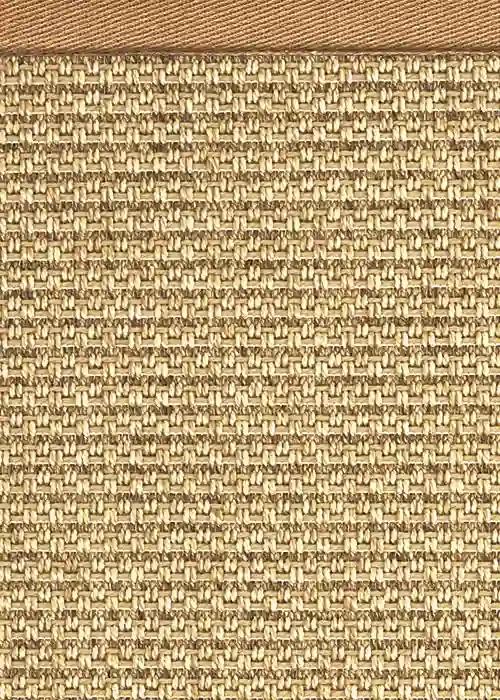
Sisal rugs are not only practical but also versatile. They can complement a wide range of decor styles, from rustic and traditional to modern and minimalist. Whether you are aiming to add warmth to a living room or a natural touch to a bedroom, understanding the different types, textures, and maintenance techniques of sisal rugs can help you make an informed decision. This guide will explore everything you need to know to choose the best rug for your home.
Moreover, selecting a rug involves more than just picking a design. Factors like durability, cleaning requirements, placement, and the environmental impact of the rug should all be considered. By the end of this article, you will have a comprehensive understanding of how to choose the right sisal rug, compare it with other natural fiber carpets, and care for it effectively to ensure it remains a beautiful and functional part of your home for years to come.
Understanding the natural fibers used in sisal rugs and their benefits
Sisal rugs are crafted from the fibers of the agave sisalana plant, a species of agave native to Mexico but now grown in various tropical and subtropical regions. These fibers are naturally strong, coarse, and durable, making them highly suitable for areas of the home that experience moderate to heavy foot traffic. One of the primary benefits of sisal rugs is their ability to withstand wear and tear without losing shape or texture.
In addition to durability, sisal fibers offer environmental advantages. They are biodegradable and renewable, which makes sisal rug products an eco-friendly flooring option. Unlike synthetic carpets, sisal rugs do not release harmful chemicals into your home environment, and their production requires minimal processing, reducing the overall carbon footprint. Furthermore, sisal fibers naturally resist moisture to some extent, which helps prevent mold and mildew growth in indoor environments.
The tactile nature of sisal fibers also adds aesthetic and sensory value. Sisal rugs have a textured surface that creates a warm and organic feel underfoot. This natural texture can enhance the visual appeal of your living space, offering both functionality and style in one flooring solution.
Comparing sisal rugs with other types of natural fiber carpets
While sisal rugs are popular, they are not the only natural fiber option available. Other options, such as jute, coir, and wool carpets, offer unique benefits and different levels of durability, texture, and aesthetic appeal. Understanding the differences can help you choose the right rug for your specific needs.
- Jute rugs: Made from the jute plant, these rugs are soft and flexible but less durable than sisal. They are ideal for low-traffic areas or decorative purposes.
- Coir carpets: Extracted from coconut husks, coir carpets are highly durable and water-resistant. They are perfect for entryways or outdoor spaces but can feel rough underfoot.
- Wool rugs: Wool provides softness and warmth, making it comfortable for living rooms and bedrooms. However, wool rugs require more maintenance and are prone to staining compared to sisal.
When deciding between these options, it is essential to consider where the rug will be placed, how much traffic it will endure, and the desired feel underfoot. For instance, a coir carpet may be better suited for a mudroom or hallway, whereas a sisal rug is versatile enough for both high-traffic living spaces and more relaxed areas.
Tips for maintaining and cleaning a sisal rug to extend its life
Proper care is vital to ensure your sisal rug maintains its beauty and durability over time. Unlike synthetic rugs, sisal requires a combination of gentle cleaning techniques and preventative measures to avoid damage.
- Regular vacuuming: Use a vacuum without a beater bar to prevent fiber damage. Vacuum in multiple directions to remove dust and debris.
- Immediate spill management: Blot spills immediately using a clean, dry cloth. Avoid rubbing, as this can push liquids deeper into the fibers.
- Avoid excessive moisture: Sisal fibers are susceptible to water damage. Use minimal water when cleaning and consider professional dry cleaning for tough stains.
- Rotate the rug: Rotating your rug every few months ensures even wear and prevents fading in areas exposed to direct sunlight.
These simple practices can significantly extend the life of your rug and maintain its natural texture and appearance. For homeowners looking for more specialized durability, choosing a fire proof carpet option in high-risk areas can provide added safety while maintaining natural aesthetics.
How to select the right size and shape for your sisal rug
Choosing the appropriate size and shape for your rug is critical to achieving both functional and aesthetic harmony in your space. An incorrectly sized rug can make a room feel disjointed or overcrowded, while the right rug can unify your furniture layout and enhance visual flow.
- Living rooms: Large rectangular rugs work well under sofas and coffee tables, creating a cohesive area. Ensure that the rug extends at least a few inches beyond furniture legs.
- Bedrooms: Placing a medium-sized rug under the bed can add warmth and comfort when stepping out of bed. Consider an L-shaped or round rug for smaller spaces.
- Entryways and hallways: Narrow runners are ideal for long corridors, while small rectangular rugs can define entry areas.
The shape of the rug can also influence room perception. Round rugs can soften corners in angular rooms, whereas rectangular rugs help elongate narrow spaces. Carefully measuring your room and considering traffic flow will help you select a sisal carpet uae that complements your interior effectively.
Different textures and weaves available in sisal rugs
Sisal rugs are available in a variety of weaves and textures, each offering unique visual and tactile experiences. The choice of weave affects durability, comfort, and the overall look of the rug in your space.
- Flat weave: Smooth and tight, this weave provides a clean look ideal for modern interiors. Flat weaves are easier to clean and handle high traffic well.
- Braided weave: Creates a raised, textured surface that adds depth and interest to a room. Braided rugs are often used as statement pieces in living spaces.
- Loop pile: Offers a combination of texture and softness. Loop pile rugs are gentle underfoot while maintaining durability.
- Cut pile: This weave creates a softer, plush feel but may require more maintenance and is better suited for low-traffic areas.
Understanding these differences allows you to select a rug that not only complements your decor but also meets your practical needs for comfort and longevity.
Common myths about sisal carpets debunked
Many people hesitate to choose sisal rugs due to misconceptions. Debunking these myths can help homeowners make informed decisions:
- Sisal rugs are rough and uncomfortable: While sisal is coarser than wool, many modern weaves provide comfort without sacrificing durability.
- Sisal is only for rustic interiors: Sisal rugs come in a wide range of colors, patterns, and textures suitable for contemporary and minimalist designs.
- Sisal cannot handle high traffic: With proper maintenance, sisal rugs are highly durable and can withstand busy areas of the home.
- Sisal stains easily: Prompt cleaning and regular vacuuming prevent staining, and professional care can address tough spots effectively.
- Sisal is not eco-friendly: Sisal is a renewable, biodegradable fiber that supports sustainable home choices.
By understanding the true properties of sisal rugs, homeowners can confidently incorporate them into a variety of living spaces without concern.
How sisal rugs impact indoor air quality and environment
In addition to aesthetic and functional benefits, sisal rugs contribute positively to indoor air quality and environmental sustainability. Unlike synthetic carpets, sisal does not off-gas harmful chemicals, making it a healthier choice for homes with children or pets. The natural fibers help regulate humidity by absorbing moisture, which can reduce mold growth when used properly.
Sisal also aligns with eco-conscious home design principles. The cultivation of sisal plants requires minimal pesticides and water compared to other natural fibers. Choosing a sisal rug can be a conscious step toward a greener lifestyle, and combining it with other sustainable home materials can further enhance your environmental impact.
Conclusion
Sisal rugs are an excellent flooring choice for homeowners seeking a blend of durability, natural beauty, and eco-friendliness. Understanding the types of fibers, textures, and weaves, along with proper care and placement, ensures that your rug will enhance both the functionality and aesthetics of your home. By comparing sisal with other natural fiber options, addressing common misconceptions, and considering environmental benefits, you can make an informed choice that lasts for years.
Integrating a sisal rug into your home design not only provides practical advantages but also contributes to a warm and inviting atmosphere. Whether for living rooms, bedrooms, or hallways, the right sisal rug can transform your space into a comfortable, stylish, and sustainable environment.
FAQs
What is a sisal rug made of?
A sisal rug is made from the fibers of the agave sisalana plant, which are harvested, dried, and woven into carpets. These fibers are naturally strong and durable.
How durable are sisal rugs compared to other carpets?
Sisal rugs are highly durable and suitable for moderate to high-traffic areas. They are stronger than jute rugs but may not be as soft as wool rugs.
Can sisal rugs be used in high-traffic areas?
Yes, with proper maintenance and care, sisal rugs can handle high-traffic spaces such as living rooms, hallways, and entryways.
How do I clean stains from a sisal rug?
Blot spills immediately with a clean, dry cloth. Avoid rubbing, and use minimal water for cleaning. Professional dry cleaning may be necessary for stubborn stains.
Are sisal rugs eco-friendly?
Yes, sisal rugs are made from renewable and biodegradable fibers, making them a sustainable choice for environmentally conscious homeowners.
What types of flooring work best with sisal rugs?
Sisal rugs pair well with hardwood, tile, laminate, and concrete flooring, enhancing the natural beauty of these surfaces while providing texture and warmth.
How do sisal rugs affect room acoustics?
Sisal rugs help absorb sound and reduce echo in a room, improving overall acoustic comfort, especially in spaces with hard flooring surfaces.
Can sisal rugs be used outdoors?
While sisal is durable, it is not highly resistant to prolonged moisture, so outdoor use is not recommended unless in covered, dry areas.
How do I prevent color fading in sisal rugs?
Place rugs away from direct sunlight or rotate them regularly to ensure even exposure and prevent fading over time.
Do sisal rugs attract dust and allergens?
Sisal fibers naturally repel dust to some extent, but regular vacuuming is necessary to maintain a clean and allergen-free environment.
Where can I find eco-friendly and natural sisal rug options?
Many specialized stores offer sustainable selections, including sisal rug options that emphasize environmentally friendly production practices.
Are sisal rugs compatible with radiant floor heating?
Yes, sisal rugs are compatible with radiant heating systems, as their natural fibers can handle moderate heat without damage.
How do I prevent sisal rugs from curling at the edges?
Use a non-slip rug pad or tape to secure the edges, and ensure proper installation and rotation to maintain a flat surface.
Can sisal rugs be dyed different colors?
Yes, natural sisal fibers can be dyed, but the colors tend to be muted and earthy, which enhances their natural appeal without artificial brightness.
Is it possible to combine sisal rugs with other rug types?
Yes, layering a sisal rug with softer rugs like wool or cotton can create visual interest while providing additional comfort and texture.
Which areas in a home are best suited for a sisal rug?
Sisal rugs are ideal for living rooms, dining areas, bedrooms, and hallways, providing durability, texture, and a natural aesthetic.
What are the benefits of using a fire proof carpet?
Fireproof carpets provide enhanced safety, particularly in kitchens and high-risk areas, while maintaining the natural and eco-friendly advantages of sisal and other fiber rugs.
How do I pair a coir carpet with a sisal rug?
Coir carpets are best used in entryways or high-moisture areas, while a sisal rug can complement indoor living spaces, creating a balanced and practical combination.
Where can I buy quality sisal carpet uae?
Quality sisal carpets in the UAE can be found at specialized rug stores and online marketplaces offering eco-friendly and durable natural fiber rugs.