
Sisal carpets have long been celebrated for their natural elegance, durability, and eco-friendly properties. Unlike synthetic rugs, sisal carpets bring warmth, texture, and a sense of organic beauty to any home interior. They are crafted from fibers derived from the agave plant, making them one of the most sustainable flooring options available. Whether you are redecorating your living space or choosing a practical carpet for a high-traffic area, understanding the features and benefits of sisal carpets can help you make a more informed decision.
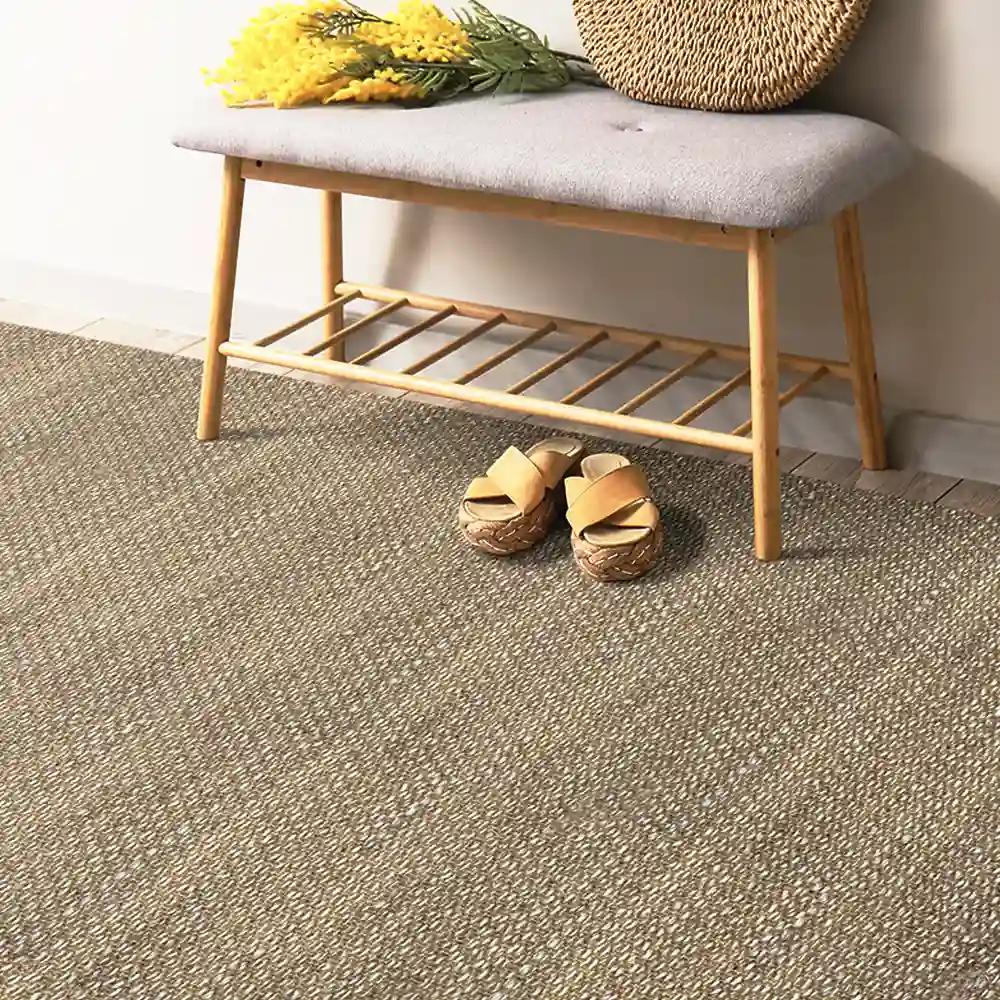
Choosing the right carpet goes beyond simply picking a color or pattern. It involves understanding the material’s properties, its performance in different environments, and how it can complement your existing décor. This article will guide you through the essential aspects of selecting the perfect sisal carpet for your home, including maintenance, safety considerations, sustainability, and practical design tips.
From durability to eco-conscious benefits, sisal carpets offer a combination of functionality and aesthetic appeal. By exploring the different types, maintenance methods, and safety features, homeowners can enjoy a natural and stylish floor covering that stands the test of time.
Understanding what makes a sisal carpet unique in texture and durability
A sisal carpet is woven from the fibers of the agave sisalana plant, a species native to tropical regions. These fibers are strong, stiff, and naturally resistant to wear, making them ideal for areas of the home that experience frequent foot traffic. Unlike soft wool carpets, sisal provides a firm and textured surface that adds a distinctive natural charm to interiors.
The weaving process also impacts the carpet’s durability and appearance. Flat-weave sisal carpets are tightly woven and extremely durable, while looped or braided styles may offer a softer feel underfoot but still maintain structural integrity. Another advantage of sisal fibers is their ability to hide dirt and debris better than smoother synthetic carpets, reducing the need for constant cleaning in busy households.
In addition to its practical benefits, a sisal carpet provides aesthetic versatility. Its natural beige, tan, or light brown hues blend effortlessly with various interior themes, from minimalist modern spaces to rustic or coastal-inspired décor. The inherent texture of sisal also adds a tactile dimension, creating a visually interesting floor covering that complements furniture and architectural elements.
Key benefits of using sisal carpets Dubai in residential spaces
Installing sisal carpets Dubai in residential spaces offers a range of advantages that make them an appealing choice for homeowners. Firstly, sisal is known for its durability and resistance to high foot traffic, which is particularly beneficial for living rooms, hallways, and entryways.
Another notable benefit is its eco-friendliness. Being a natural fiber, sisal is biodegradable and renewable. Choosing sisal over synthetic alternatives can significantly reduce your home’s environmental footprint. Additionally, sisal carpets provide excellent insulation properties. They help regulate indoor temperatures and can contribute to a cozier environment during colder months.
Sisal carpets also offer hypoallergenic qualities. Unlike carpets that trap dust and allergens, the dense, tightly woven fibers of sisal prevent particles from embedding deep within the rug, making it easier to maintain a healthier indoor environment. Combined with its natural elegance, these factors make sisal carpets Dubai an ideal solution for homeowners seeking both style and function.
How to maintain and clean a sisal carpet effectively
Maintaining a sisal carpet requires a combination of regular cleaning routines and careful handling. Unlike synthetic carpets, sisal fibers are more absorbent and can be prone to water damage if not treated correctly.
Here are key maintenance tips:
- Vacuuming: Regular vacuuming with a brushless suction tool helps remove dust and dirt without damaging the fibers.
- Spot Cleaning: Use a dry cleaning method for spills, such as blotting with a clean, dry cloth. Avoid soaking the fibers with water.
- Avoiding Moisture: Keep the carpet away from damp areas and use coasters or mats under plants to prevent water stains.
- Professional Cleaning: For deep cleaning, consider professional dry-cleaning services that specialize in natural fiber rugs.
Consistent care ensures that your sisal carpet maintains its natural beauty and durability over time. By following these guidelines, you can extend the lifespan of your rug while keeping it looking fresh and inviting.
Differences between natural and synthetic sisal fibers for longevity
Understanding the distinction between natural and synthetic sisal fibers is crucial when selecting the right carpet. Natural sisal fibers are derived from the agave plant and are celebrated for their durability, organic texture, and eco-friendly properties. They are ideal for high-traffic areas and add a warm, natural aesthetic to the home.
Synthetic sisal, often made from polypropylene or nylon, mimics the appearance of natural sisal but lacks the same resilience and tactile quality. While synthetic versions can be more stain-resistant and easier to clean, they do not offer the same eco-friendly benefits or the authentic look and feel of plant-based fibers.
Choosing natural sisal ensures that your carpet will age gracefully, developing a subtle patina over time that adds character. Additionally, natural fibers are more sustainable and have a lower environmental impact than synthetic alternatives.
The role of a fire rated carpet in enhancing home safety
Safety is an essential consideration for any home interior, and incorporating a fire rated carpet can significantly reduce fire hazards. Fire-rated carpets are treated with chemicals that slow the spread of flames, providing homeowners with additional protection in case of accidents.
These carpets are particularly valuable in areas such as kitchens, living rooms with fireplaces, and commercial-style home offices where electrical equipment may be present. By installing a fire-rated sisal carpet, homeowners can enjoy the natural beauty of sisal while prioritizing safety.
Moreover, fire-rated carpets are designed to maintain their structural integrity even under high temperatures, ensuring that the fibers do not release toxic fumes when exposed to heat. This adds another layer of reassurance for families seeking a secure and safe home environment.
Eco-friendly aspects of sisal carpets and their sustainability
One of the most compelling reasons to choose a sisal carpet is its eco-friendly nature. The sisal plant grows quickly, requires minimal water, and does not rely on chemical fertilizers or pesticides, making it a highly sustainable crop. Carpets made from sisal fibers are biodegradable, reducing waste and environmental impact at the end of their lifecycle.
In addition to environmental benefits, sisal carpets contribute to healthier indoor air quality. Unlike synthetic carpets that may off-gas volatile organic compounds (VOCs), natural sisal fibers are free from harmful chemicals. This makes them suitable for households with children, pets, or allergy-sensitive individuals.
Sustainability also extends to the manufacturing process. Many sisal carpets are handwoven by artisans using traditional techniques, supporting local communities and preserving cultural craftsmanship. Choosing sisal is not just a design decision—it’s a step toward a more sustainable and conscious lifestyle.
How to select the right size and weave for different rooms
Selecting the appropriate size and weave for a sisal carpet is key to achieving both aesthetic appeal and functional performance. When measuring your room, consider the layout of furniture and the flow of traffic to determine the ideal dimensions. Large area rugs can anchor living rooms and dining spaces, while smaller rugs may work well in entryways or bathrooms.
The weave of the carpet also affects its durability and comfort. Flat-weave sisal rugs are extremely sturdy and can withstand heavy foot traffic, while looped or braided weaves offer a softer texture that feels more comfortable underfoot. Consider how each type will interact with furniture legs and potential wear points in high-traffic areas.
Practical tips include using rug pads to prevent slipping and protect flooring, as well as layering rugs for added texture and warmth. By carefully evaluating size and weave, you can create a harmonious balance of form and function in every room.
Conclusion
Choosing the best sisal carpet for your home requires careful consideration of material properties, durability, aesthetics, and maintenance requirements. By understanding the differences between natural and synthetic fibers, recognizing the benefits of eco-friendly materials, and incorporating safety features like fire-rated carpets, homeowners can make informed decisions that enhance both style and functionality. Sisal carpets not only provide a sustainable and hypoallergenic flooring option but also bring natural beauty, texture, and warmth to every living space.
With proper care, the right selection of weave and size, and an appreciation for the natural elegance of sisal, your carpet can serve as a long-lasting centerpiece in your home, blending seamlessly with décor while standing up to daily wear and tear.
FAQs
- What is a sisal carpet made of?
A sisal carpet is made from fibers extracted from the agave sisalana plant. These fibers are strong, durable, and naturally textured, giving the carpet its distinctive appearance and feel. - How durable are sisal carpets compared to other types?
Sisal carpets are extremely durable, especially in high-traffic areas. Their natural fibers are strong and resistant to wear, often lasting longer than many synthetic carpets if properly maintained. - Can sisal carpets be used in high-traffic areas?
Yes, sisal carpets are ideal for high-traffic areas such as hallways, living rooms, and entryways. Their firm texture and tightly woven fibers can handle frequent use without significant damage. - How do you clean and maintain a sisal carpet?
Regular vacuuming, blotting spills immediately, avoiding excess moisture, and occasional professional dry cleaning are recommended to maintain a sisal carpet. Avoid using harsh chemicals or soaking the fibers. - What makes a carpet fire rated?
A fire-rated carpet is treated with special chemicals that slow down the spread of flames and reduce the risk of fire hazards. These carpets are designed to maintain structural integrity under heat and minimize toxic smoke emissions. - Are sisal carpets environmentally friendly?
Yes, sisal carpets are eco-friendly. The fibers come from a renewable plant, are biodegradable, and the manufacturing process often uses minimal chemicals, reducing environmental impact. - What are the benefits of using sisal in home decor?
Sisal carpets provide durability, natural beauty, hypoallergenic properties, and eco-friendliness. They add texture and warmth to interior spaces and are versatile enough to complement various décor styles.