
Sisal is a versatile and sustainable natural fiber that has been widely used in flooring and rugs for decades. Its durability, texture, and eco-friendly properties make it a popular choice for both homes and commercial spaces. Understanding the different types of rugs, their characteristics, and how to maintain them is essential for homeowners, interior designers, and office planners who want to create aesthetically pleasing and functional environments.
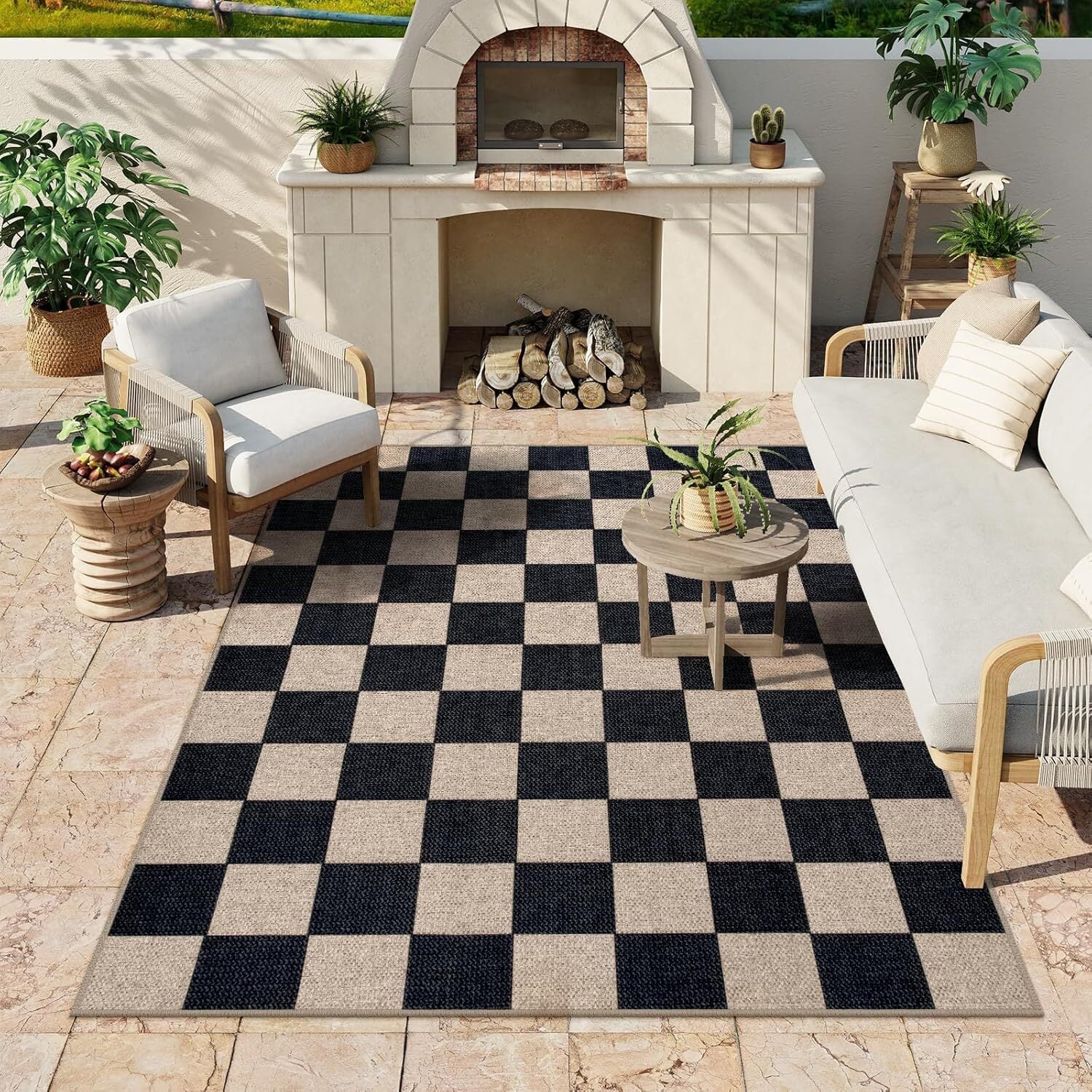
Rugs play a crucial role in interior design, not only providing comfort and warmth but also enhancing the visual appeal of a room. With the increasing popularity of natural fiber options, such as sisal, homeowners are looking for rugs that combine durability with a timeless, organic look. This article explores the properties of sisal, how it compares with other rug types, and the practical considerations for using rugs in different spaces.
In addition to discussing sisal, we will explore other rug options like kilim rugs, green rugs, and carpet tiles. By the end of this guide, readers will have a comprehensive understanding of how to select, maintain, and style various rugs to suit their interiors while making environmentally conscious choices.
Introduction to Sisal and Its Key Features in Flooring
Sisal is derived from the Agave sisalana plant and is known for its strength, resilience, and natural beauty. The fibers are extracted, dried, and woven into carpets and rugs, creating a textured surface that is both visually appealing and practical. Sisal carpets are highly durable, making them suitable for high-traffic areas such as hallways, living rooms, and office spaces.
Some key features of sisal include:
- Durability: Sisal fibers are tough and resistant to wear, providing long-lasting performance even in busy environments.
- Eco-friendliness: Being a natural and biodegradable fiber, sisal has minimal environmental impact compared to synthetic alternatives.
- Texture and appearance: The natural sheen and coarse texture of sisal add depth and character to flooring.
- Allergen resistance: Sisal does not trap dust and allergens as readily as synthetic carpets, contributing to healthier indoor air quality.
The versatility of sisal makes it a suitable choice for both traditional and contemporary interiors, and its neutral tones complement a wide range of décor styles.
Understanding the Patterns and Origins of Kilim Rugs and Their Cultural Significance
Kilim rugs are flat-woven rugs that originate from regions such as Turkey, Iran, and the Caucasus. Unlike tufted carpets, kilims are created using a weaving technique that interlocks the weft and warp threads, resulting in a thin, durable rug with intricate geometric patterns. These rugs are highly valued for their artistic and cultural significance, as each design often carries symbolic meaning.
When considering kilim rugs, keep in mind:
- Design and patterns: Kilims feature bold, colorful geometric motifs that can be used to create statement pieces in a room.
- Cultural heritage: Each region has distinct patterns that reflect local traditions and storytelling through design.
- Durability: Despite being flat and lightweight, kilims are strong and suitable for moderate-traffic areas.
- Versatility: They can be used as floor coverings, wall hangings, or layered over other rugs for added texture.
Incorporating kilim rugs alongside sisal can create a layered look that balances natural textures with artistic patterns, enhancing the overall aesthetic of a space.
How Green Rugs Contribute to Sustainable Interior Design Choices
Green rugs, often made from sustainable materials like jute, hemp, or recycled fibers, are gaining popularity among eco-conscious homeowners and designers. These rugs not only reduce environmental impact but also promote a healthy indoor environment.
Benefits of green rugs include:
- Sustainability: Made from renewable or recycled materials, green rugs support environmentally friendly design practices.
- Non-toxic: They are typically free from harmful dyes and chemicals, improving indoor air quality.
- Aesthetic versatility: Green rugs can come in various shades and textures, blending well with natural and modern interiors.
- Durability: Many eco-friendly materials, such as sisal and jute, are strong and long-lasting.
Choosing a green rug helps create an interior that aligns with sustainable living principles while adding warmth and texture to the space.
Different Styles and Installation Methods for Carpet Tiles in Homes and Offices
Carpet tiles are modular flooring solutions that offer flexibility in design and installation. Unlike traditional carpets, carpet tiles are easy to replace, maintain, and arrange in custom patterns, making them ideal for both residential and commercial spaces.
Key aspects of carpet tiles include:
- Ease of installation: Tiles can be laid individually without professional tools, allowing DIY installation.
- Customizable design: Patterns, colors, and textures can be mixed to create unique flooring designs.
- Maintenance: Damaged tiles can be replaced individually, reducing waste and maintenance costs.
- Durability: High-quality tiles are resistant to wear, moisture, and stains, suitable for offices and high-traffic areas.
Using carpet tiles in combination with sisal or other rugs can create visually distinct zones in a room while maintaining functionality and ease of maintenance.
Comparing Sisal with Other Natural Fibers for Durability and Texture
Sisal is often compared with other natural fibers such as jute, coir, and wool. Each fiber has unique properties that affect durability, texture, and maintenance:
- Jute: Softer and more pliable but less durable than sisal. Ideal for low-traffic areas.
- Coir: Coarser and more abrasive; excellent for entryways and outdoor areas.
- Wool: Luxurious, soft, and warm; requires more maintenance and can be prone to staining.
- Sisal: Balances durability with natural texture, suitable for high-traffic indoor areas.
Understanding these differences allows homeowners to choose the right fiber based on room usage, comfort preference, and design requirements.
Best Practices for Maintaining Sisal and Other Eco-Friendly Rugs
Proper maintenance is essential for preserving the beauty and longevity of natural fiber rugs:
- Vacuum regularly: Use suction-only settings to avoid damaging fibers.
- Spot clean promptly: Blot spills immediately without rubbing.
- Rotate rugs periodically: Ensures even wear and prevents shading.
- Avoid moisture exposure: Keep sisal and other natural rugs away from damp areas.
- Use rug pads: Provides cushioning and prevents slipping while protecting the floor underneath.
Following these best practices helps maintain the aesthetic appeal and functional performance of eco-friendly rugs over time.
How to Choose Rug Colors and Patterns to Match Modern Interiors
Selecting the right color and pattern for a rug can significantly enhance interior design. Consider the following:
- Neutral tones: Sisal and other natural rugs often come in beige, cream, or light brown, which complement most interiors.
- Bold patterns: Kilim or patterned rugs can add visual interest and become focal points.
- Layering: Combining textures and patterns, such as placing a patterned kilim over a sisal base, adds depth to a room.
- Room function: Choose darker colors for high-traffic areas to hide stains, and lighter tones for decorative spaces.
Thoughtful selection ensures that the rug enhances the room’s style without overpowering other design elements.
Common Mistakes to Avoid When Selecting and Placing Rugs
When incorporating rugs into interiors, common mistakes can compromise both functionality and aesthetics:
- Choosing the wrong size: Too small or too large rugs can disrupt room proportions.
- Ignoring traffic patterns: High-traffic areas require more durable rugs like sisal.
- Overlooking maintenance needs: Some natural fibers require more care than others.
- Clashing patterns: Ensure colors and patterns complement the overall design.
- Neglecting rug pads: Pads prevent slipping, extend rug life, and provide extra cushioning.
Being mindful of these aspects ensures that the rug serves its purpose while enhancing the interior design.
Conclusion
Understanding the properties of sisal and other rug types is essential for making informed decisions in interior design. Sisal provides durability, sustainability, and a natural aesthetic, while kilim rugs, green rugs, and carpet tiles offer complementary textures, patterns, and eco-friendly options. By considering factors such as fiber type, durability, maintenance, and design integration, homeowners can select rugs that enhance both the functionality and beauty of their spaces.
Incorporating rugs thoughtfully allows for creative expression while promoting environmentally conscious choices. Whether using sisal for high-traffic areas or layering with patterned kilims, each rug type contributes to a harmonious and visually appealing interior. Proper care, mindful placement, and an understanding of different fibers ensure that your rug investment remains attractive and functional for years.
FAQs
- What makes sisal a durable choice for flooring?
Sisal fibers are naturally strong, resistant to wear, and suitable for high-traffic areas, making them a long-lasting flooring option. - How do kilim rugs differ from other traditional rugs?
Kilim rugs are flat-woven with intricate geometric patterns, providing both cultural value and a lightweight, durable option compared to tufted carpets. - Are green rugs suitable for pet-friendly homes?
Yes, many green rugs are made from durable and non-toxic materials that can withstand moderate wear and are safe for pets. - How are carpet tiles installed and maintained effectively?
Carpet tiles are modular and easy to install individually. Damaged tiles can be replaced without affecting the entire floor, and routine vacuuming ensures longevity. - Can sisal rugs be used in both residential and commercial spaces?
Yes, sisal’s durability and natural aesthetic make it suitable for homes, offices, and high-traffic commercial environments.
6. What design tips help blend sisal rugs with modern décor?
Combine neutral-toned sisal with patterned or colored rugs, layer textures, and select appropriate sizes to complement furniture and room layout.