
Selecting the right flooring is crucial for creating a comfortable and stylish home environment. Among various options, sisal caroet has gained attention for its durability, natural appeal, and eco-friendly qualities. This type of flooring is made from natural fibers extracted from the leaves of the agave plant, making it an excellent choice for homeowners seeking both aesthetic and practical benefits. Understanding the different aspects of sisal caroet can help you make an informed decision and ensure your investment adds lasting value to your space.
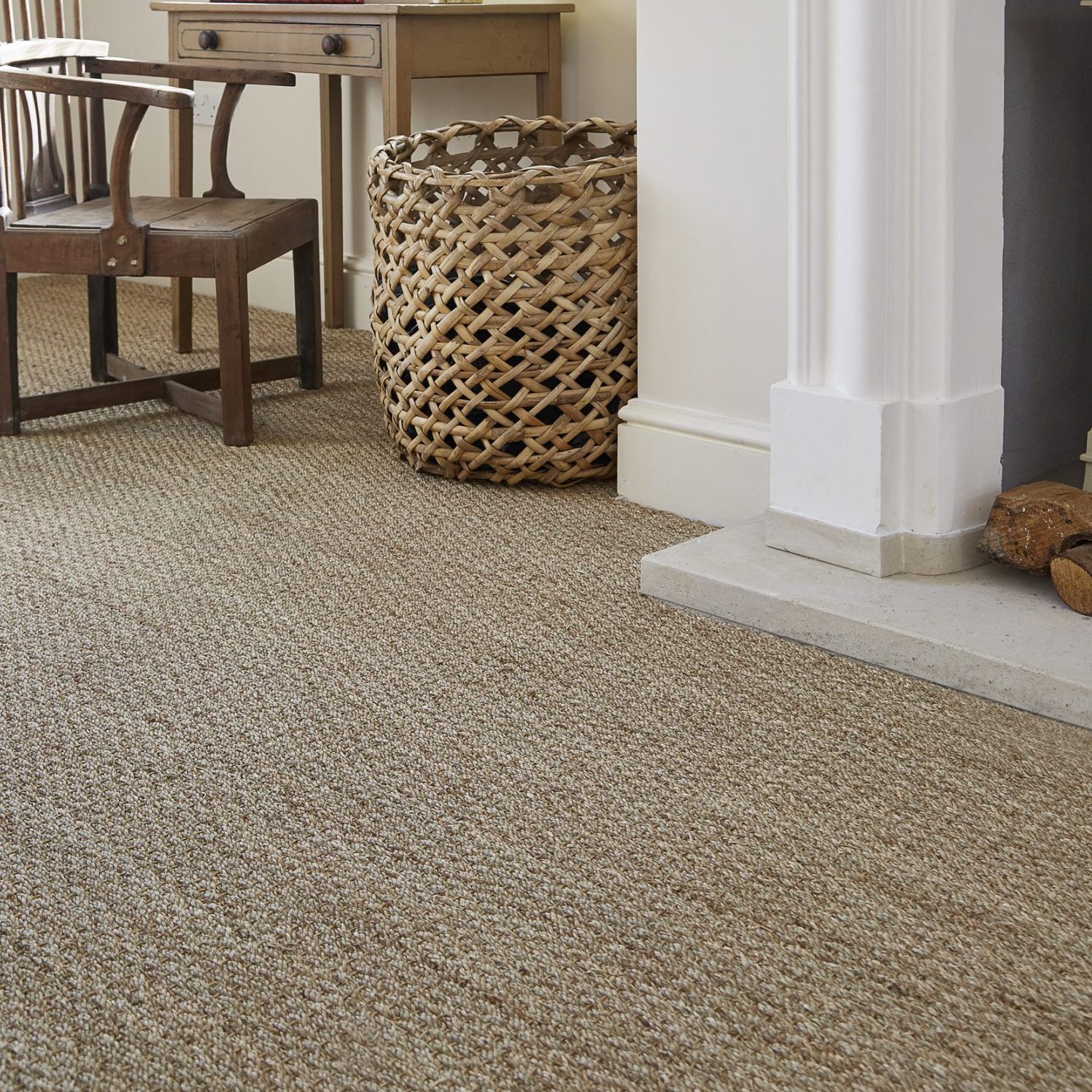
Sisal caroet is versatile, offering options suitable for living rooms, bedrooms, hallways, and even office areas. Its textured surface provides a unique tactile experience and can complement a variety of interior design styles, from rustic to contemporary. However, choosing the perfect sisal caroet requires attention to factors like fiber quality, color, installation methods, and maintenance requirements. Exploring these elements thoroughly will ensure you select a carpet that not only enhances your space but also stands the test of time.
Additionally, the environmental impact of your flooring choice is increasingly important. Sisal caroet is biodegradable and sustainably sourced, which makes it a preferred option for eco-conscious homeowners. Its natural composition ensures that you are contributing to environmentally friendly practices while enjoying a resilient and attractive floor covering.
Understanding the different types of sisal caroet and their durability
Sisal caroet comes in a variety of weaves, textures, and fiber treatments, each offering distinct characteristics. The primary types include:
- Flatweave sisal: Smooth and durable, ideal for high-traffic areas.
- Looped sisal: Features small loops that add texture and resilience.
- Braided sisal: Creates intricate patterns and adds a decorative element.
- Dyed sisal: Offers color options but may require more care to maintain vibrancy.
The durability of sisal caroet is one of its most compelling advantages. Its fibers are naturally strong, resistant to wear, and can endure heavy foot traffic without significant damage. However, its performance can vary depending on the type of weave and the quality of the fiber used. High-quality, tightly woven sisal caroet is more resistant to crushing and fraying, making it suitable for areas like hallways, kitchens, or entryways. In contrast, softer or loosely woven variants may be better suited for low-traffic areas or spaces where comfort underfoot is a priority.
Sisal is naturally absorbent, which allows it to handle minor spills and dirt effectively. Its resilience also enables it to recover quickly from indentations caused by furniture. However, it’s important to note that sisal is sensitive to moisture, and prolonged exposure to damp conditions can lead to warping or mold growth. Therefore, proper installation and maintenance are essential to maximize the longevity of your sisal caroet.
How to maintain and clean a sisal caroet effectively
Proper maintenance is crucial to preserve the appearance and lifespan of your sisal caroet. The following tips can help keep it looking fresh and new:
- Regular vacuuming: Use a vacuum with a brushless suction head to prevent damage to the fibers. Vacuum high-traffic areas multiple times a week.
- Spot cleaning: Treat spills immediately by blotting with a dry or slightly damp cloth. Avoid using excessive water or harsh chemicals.
- Rotating the carpet: Rotate your sisal caroet periodically to ensure even wear and exposure to sunlight.
- Using protective pads: Place furniture pads under heavy items to prevent indentations.
- Professional cleaning: Schedule professional cleaning annually to remove deep-seated dirt and maintain fiber integrity.
One practical tip is to treat your sisal caroet with a natural fiber-friendly protector before installation. This can provide a protective layer against stains and make routine cleaning easier. Over time, a well-maintained sisal caroet can maintain its natural beauty and continue to enhance the ambiance of your home.
When dealing with stains, it is essential to avoid excessive water, as sisal is highly absorbent and moisture can weaken the fibers. Instead, use natural, non-toxic cleaning agents specifically formulated for natural fiber carpets. This ensures that your sisal caroet retains its durability and aesthetic appeal over the years.
Comparing natural sisal caroet with synthetic alternatives
While sisal caroet is prized for its natural composition, synthetic carpets are often marketed as low-maintenance and highly durable alternatives. Understanding the differences can help homeowners make an informed choice:
- Material: Sisal caroet is made from natural plant fibers, while synthetic carpets use petroleum-based fibers like nylon, polyester, or polypropylene.
- Eco-friendliness: Sisal is biodegradable and renewable, making it a more sustainable choice compared to synthetic carpets.
- Texture and feel: Sisal offers a firm, textured feel underfoot, whereas synthetic carpets can be softer but may lack the natural charm of sisal.
- Durability: Both can be durable, but synthetic fibers may resist moisture and stains better. Sisal, however, offers superior resilience and eco-friendly advantages.
- Aesthetic versatility: Sisal’s natural patterns and tones provide a unique aesthetic, whereas synthetic carpets are more uniform and available in a wide color range.
Choosing between natural and synthetic options often comes down to priorities. If sustainability, natural beauty, and tactile experience are important, sisal is unmatched. Conversely, for areas prone to moisture or heavy staining, synthetic alternatives may offer practical advantages.
For those considering hybrid solutions, combining natural sisal with protective underlays or modern coatings can improve water resistance while retaining the natural charm. Homeowners can also explore the cost and availability of different types to make a balanced decision.
How sisal caroet contributes to eco-friendly flooring
Sisal caroet is inherently environmentally friendly, making it a top choice for sustainable interior design. Key eco-friendly benefits include:
- Renewable material: Sisal fibers are harvested from the leaves of the agave plant, which regrows quickly and sustainably.
- Biodegradability: At the end of its lifecycle, sisal caroet decomposes naturally without harming the environment.
- Low chemical use: Natural sisal requires minimal chemical treatment compared to synthetic carpets.
- Energy efficiency: The production of sisal consumes less energy than synthetic fiber manufacturing.
Choosing seagrass carpet price alternatives alongside sisal can also support eco-conscious decisions. These natural options not only reduce environmental impact but also offer a tactile and aesthetic experience that complements organic interiors.
Eco-conscious homeowners increasingly look for flooring solutions that balance durability with environmental responsibility. Incorporating sisal caroet into your home is a tangible step toward reducing ecological footprint while creating a naturally elegant space.
Tips for selecting the right color and texture for your space
The color and texture of sisal caroet can dramatically influence the ambiance of a room. Consider the following when selecting:
- Room size: Lighter colors make small rooms feel larger, while darker tones add warmth to spacious areas.
- Traffic level: Dense textures withstand heavy use better; softer textures offer comfort in low-traffic zones.
- Complementary decor: Choose colors and patterns that harmonize with furniture, wall colors, and overall interior style.
- Natural light: Consider how sunlight affects color fading over time.
- Pattern choice: Plain weaves offer a minimalist look, while braided or looped patterns provide visual interest.
A practical tip is to request samples of your preferred floor green carpet in the actual room lighting. This allows you to assess how the color interacts with furniture, curtains, and natural light, ensuring a cohesive design.
How sisal caroet performs in high-traffic areas
Sisal caroet is particularly valued for its resilience in high-traffic zones. Its natural fibers can absorb and redistribute pressure, preventing visible wear. Areas like hallways, entryways, and living rooms benefit from sisal’s:
- Durability: Fibers resist crushing and maintain shape under repeated foot traffic.
- Traction: Textured surfaces reduce slipping, enhancing safety.
- Dirt management: Fibers trap dust and debris, keeping surfaces cleaner for longer.
However, consistent maintenance is crucial. Regular vacuuming and occasional professional cleaning can extend the carpet’s lifespan. For extremely busy areas, consider a tighter weave and protective layering to reduce fiber damage.
When selecting a carpet for high-traffic spaces, consulting with professionals about installation techniques, including carpet stitching dubai, can improve durability and ensure the carpet lays flat without shifting or curling.
Common mistakes to avoid when installing sisal caroet
Installing sisal caroet requires careful planning to prevent damage and ensure longevity. Common mistakes include:
- Skipping underlay: Sisal needs a firm but breathable underlay to prevent moisture absorption and uneven wear.
- Exposing to moisture: Avoid installing in bathrooms, basements, or damp areas.
- Incorrect measurements: Always measure the room precisely to avoid gaps or uneven edges.
- Neglecting maintenance preparation: Pre-treating with a fiber protector helps resist stains and dirt.
- Using harsh cleaning methods: Avoid steam cleaning or heavy chemical use, as they can damage fibers.
Proper installation preserves both the aesthetic and functional benefits of sisal. For large or complex spaces, professional guidance ensures that seams, edges, and corners are finished correctly.
Conclusion
Sisal caroet is a sustainable, durable, and aesthetically pleasing flooring choice for any home. Its natural fibers provide unique texture, eco-friendly benefits, and resilience that make it ideal for high-traffic areas. Understanding the different types of sisal caroet, proper maintenance methods, color and texture selection, and installation techniques ensures that you make the best choice for your space. By avoiding common mistakes and incorporating eco-conscious practices, your sisal caroet can maintain its beauty and functionality for years to come.
FAQs
What is a sisal caroet made of?
Sisal caroet is made from the fibers of the agave plant, which are harvested, spun, and woven into durable carpets.
How long does a sisal caroet typically last?
With proper maintenance, a high-quality sisal caroet can last 10–15 years, even in high-traffic areas.
Can sisal caroet be used in humid areas?
Sisal is sensitive to moisture, so it is best used in dry, well-ventilated areas to avoid warping or mold growth.
How often should a sisal caroet be cleaned?
Regular vacuuming is recommended multiple times per week, with spot cleaning as needed and professional cleaning at least once a year.
What are the benefits of choosing sisal over other natural fibers?
Sisal offers durability, eco-friendliness, natural texture, and resistance to heavy foot traffic, making it a versatile and sustainable flooring option.
Where is sisal caroet most suitable in the home?
It works well in living rooms, hallways, bedrooms, and offices, but should be avoided in bathrooms or areas prone to excessive moisture.
Can sisal caroet be dyed different colors?
Yes, sisal can be dyed, but dyed variants may require additional care to maintain color vibrancy over time.
How do I prevent furniture from leaving marks on sisal?
Use protective pads under heavy furniture and rotate the carpet periodically to ensure even wear.
Is sisal caroet compatible with underfloor heating?
Yes, sisal can be used with underfloor heating, but it is essential to monitor moisture and heat levels to prevent fiber shrinkage.
What is the best way to remove stains from sisal caroet?
Blot spills immediately with a dry or slightly damp cloth, avoiding excess water or harsh chemicals to protect the natural fibers.