
Sisal carpets have long been valued for their durability, natural elegance, and ability to enhance both residential and commercial spaces. In Dubai, the growing interest in sustainable and eco-friendly interior design has propelled sisal carpets into the spotlight. These natural fiber carpets not only offer an aesthetic appeal but also provide practical benefits that synthetic alternatives often cannot match. Understanding the characteristics of sisal carpets is crucial for anyone looking to make an informed choice for their living or work environment.
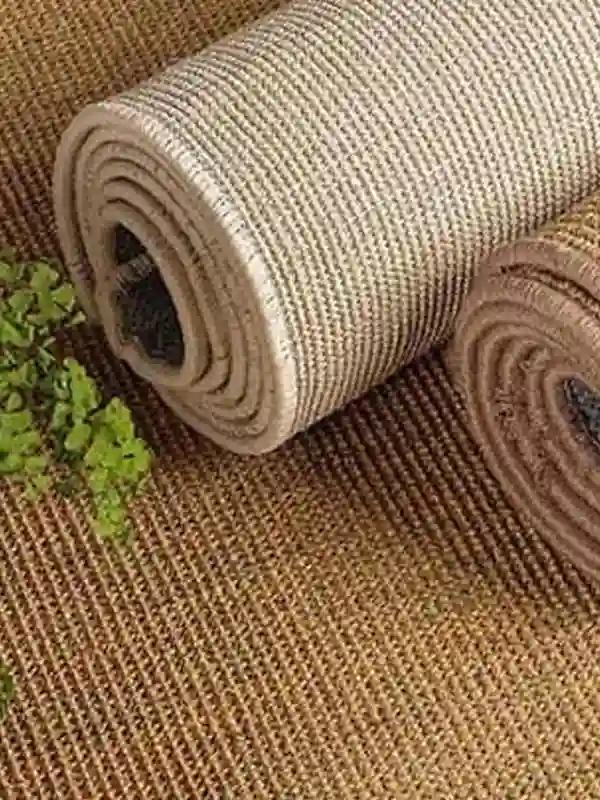
When considering sisal carpets, many factors come into play, including texture, color, maintenance requirements, and how well they complement other interior elements. Dubai’s unique climate and style preferences also influence the selection process, making it essential to understand local trends and environmental considerations. This guide will explore all aspects of choosing the best sisal carpets, covering comparisons with other natural rugs, maintenance tips, design insights, and integration with commercial flooring solutions.
Additionally, the popularity of patterned rugs such as kilim carpets and traditional Persian carpet UAE has created a rich variety of options for homeowners and businesses alike. By exploring the features of sisal carpets and complementary flooring elements like office carpet tiles, this guide will help readers make informed decisions that balance aesthetics, functionality, and sustainability.
Understanding the Unique Features of Sisal Carpets in Dubai
sisal carpets in dubai are made from the fibers of the agave plant, which provides a naturally strong and durable material. This makes them particularly suitable for high-traffic areas in homes and offices. The texture of sisal carpets is slightly coarse, giving a tactile feel that adds warmth and character to interior spaces. Unlike synthetic carpets, sisal is biodegradable and environmentally friendly, making it a sustainable choice for eco-conscious consumers.
In Dubai, where sand and dust are prevalent, the natural resilience of sisal fibers helps prevent excessive wear. Additionally, sisal carpets are resistant to fading when exposed to sunlight, an important consideration given the city’s bright and sunny environment. Homeowners often appreciate the natural color palette, which ranges from ivory to golden brown, providing a neutral base that complements various décor styles.
Another feature of sisal carpets is their insulating capability. They naturally regulate temperature by providing warmth underfoot during cooler months and a comfortable surface during warmer periods. Their anti-static properties also make them ideal for homes with electronic equipment, as they reduce the accumulation of dust and static electricity.
How Sisal Carpets Compare to Other Natural Fiber Rugs in Durability
When comparing sisal carpets to other natural fiber rugs such as jute, coir, or wool, durability is a defining factor. Sisal fibers are stronger than jute, making sisal carpets more resilient in areas with heavy foot traffic. While coir carpets are suitable for entryways due to their rough texture, sisal offers a more refined appearance without sacrificing toughness.
In contrast to wool rugs, which can be softer and plush, sisal carpets are firm and structured. This makes them easier to maintain, as they do not trap dirt or stains as readily. While wool carpets require careful cleaning to prevent matting and color fading, sisal’s natural fibers provide a low-maintenance alternative that maintains its aesthetic appeal over time.
Another key consideration is moisture resistance. While sisal is more resistant to moisture than some natural fibers, it is still sensitive to prolonged water exposure. Proper care, such as using area rugs or runners in areas prone to spills, can enhance longevity. Overall, sisal carpets offer an ideal balance of durability, practicality, and aesthetic versatility, especially in Dubai’s dynamic interior design environment.
Tips for Maintaining the Texture and Color of Sisal Carpets
Maintaining the natural texture and color of sisal carpets requires consistent care. Here are several tips to ensure your carpet remains in pristine condition:
- Regular Vacuuming: Use a vacuum with a suction-only function to avoid damaging the fibers. Avoid rotating brushes, as they can fray the surface.
- Prompt Spill Management: Blot spills immediately with a dry cloth. Avoid rubbing, which can embed stains into the fibers.
- Avoid Moisture: Keep the carpet away from damp areas or excessive water exposure. Sisal is naturally absorbent and can warp if left wet.
- Sunlight Exposure: Rotate rugs periodically to prevent uneven fading in areas exposed to sunlight.
- Professional Cleaning: Consider annual professional cleaning to remove deep-seated dirt and maintain fiber integrity.
Following these tips helps preserve the natural beauty and lifespan of sisal carpets, ensuring that they remain a stylish and practical addition to any space.
Common Designs and Patterns of Kilim Carpets and Their Origins
Kilim carpets are flat-woven rugs originating from regions such as Turkey, Iran, and parts of Central Asia. Their designs often feature geometric patterns, symbolic motifs, and vibrant colors. Unlike tufted or knotted carpets, kilims are crafted by interweaving colored wefts and warps, creating reversible and lightweight rugs.
These rugs often carry cultural significance, with patterns representing concepts such as fertility, protection, and prosperity. In Dubai, kilim carpets are increasingly used alongside sisal carpets to add visual interest and contrast. Their lightweight nature makes them easy to layer over sisal carpets, creating a multidimensional and textured interior look.
Selecting a kilim carpet requires attention to color harmony, size, and pattern scale. Smaller geometric patterns complement larger sisal carpet areas, while bold colors can be balanced by neutral-toned sisal rugs. Integrating kilims with sisal provides both aesthetic appeal and practical benefits, enhancing comfort and insulation without sacrificing durability.
How to Identify Authentic Persian Carpet UAE for Home Use
Persian carpet UAE are renowned worldwide for their craftsmanship, intricate designs, and premium materials. Authentic Persian carpets are hand-knotted, with each knot carefully tied to create detailed patterns. Signs of authenticity include:
- Backside Inspection: The pattern should be visible and mirrored on the back of the rug.
- Knot Density: High-quality Persian rugs have higher knot counts, providing durability and detailed designs.
- Material Quality: Genuine Persian carpets use natural fibers such as wool or silk.
- Color Stability: Natural dyes ensure that colors age gracefully without excessive fading.
Incorporating a Persian carpet in Dubai homes adds cultural depth and luxury. Pairing them with sisal carpets or layering over neutral bases enhances visual interest while providing a soft surface underfoot. Persian rugs also offer long-term value due to their durability and collectible nature.
The Environmental Benefits of Using Sisal and Kilim Carpets
Sisal and kilim carpets offer several environmental benefits that appeal to sustainable living practices. Sisal is a renewable resource harvested from agave plants, which require minimal water and no chemical fertilizers. Its biodegradability ensures that the carpet can be safely disposed of at the end of its lifecycle, unlike synthetic options that contribute to landfill waste.
Kilim carpets, typically made from wool or cotton, also support eco-friendly practices. Wool is a renewable material, and the flat-weaving technique consumes less energy than tufted carpets. Both sisal and kilim carpets reduce the carbon footprint associated with carpet manufacturing and promote natural, toxin-free interiors.
Additionally, natural fiber carpets improve indoor air quality by reducing the presence of harmful chemicals. They are hypoallergenic, do not emit volatile organic compounds (VOCs), and are easier to maintain without harsh chemical cleaners. Choosing these materials in Dubai contributes to a healthier living environment while aligning with global sustainability trends.
How Office Carpet Tiles Can Complement Sisal Carpets in Commercial Spaces
In commercial settings, combining sisal carpets with office carpet tiles provides both aesthetic appeal and functional benefits. Office carpet tiles are modular, allowing for easy installation, replacement, and maintenance in high-traffic areas. When paired with sisal carpets, they can create designated zones, define spaces, and enhance overall interior design coherence.
Key benefits of using office carpet tiles alongside sisal carpets include:
- Durability: High-traffic areas benefit from reinforced surfaces.
- Flexibility: Tiles can be replaced individually without disturbing the entire flooring.
- Design Integration: Patterns and colors of tiles can complement the natural tones of sisal carpets.
- Acoustic Performance: Both carpet types help reduce noise levels in busy office environments.
This combination is particularly effective in Dubai offices, where maintaining a professional yet welcoming atmosphere is essential. The tactile and visual contrast between natural sisal fibers and engineered office tiles creates a sophisticated and functional workspace.
Integrating Sisal Carpets into Modern and Traditional Interior Styles
Sisal carpets are versatile enough to complement both modern and traditional interior designs. In contemporary settings, their neutral tones and natural textures create a calming and minimalist atmosphere. Pairing sisal carpets with sleek furniture and metallic accents highlights the contrast between organic materials and modern elements.
In traditional interiors, sisal carpets act as a neutral foundation for rich wooden furniture, patterned rugs, and ornate décor. Layering with kilim carpets or Persian carpet UAE enhances the warmth and cultural character of the space. Accessories such as cushions, throws, and curtains can be coordinated with sisal textures to create a cohesive and inviting environment.
Lighting also plays a key role in integrating sisal carpets. Natural light enhances the fiber’s warmth and subtle sheen, while ambient artificial lighting highlights texture and depth. Thoughtful integration of sisal carpets ensures both visual appeal and functional comfort in any interior.
Conclusion
Choosing the best sisal carpets in Dubai involves understanding material characteristics, comparing alternatives, and evaluating design preferences. By considering factors such as durability, texture, maintenance, and sustainability, homeowners and business owners can make informed decisions. Combining sisal carpets with kilim or Persian carpet UAE provides aesthetic diversity and enhances interior design.
Additionally, integrating office carpet tiles in commercial spaces or layering rugs in homes creates versatile and practical flooring solutions. Overall, sisal carpets offer a sustainable, stylish, and durable option that complements various interior styles while supporting eco-friendly living. With proper care and thoughtful design choices, sisal carpets can elevate both the visual and functional quality of any space.
FAQs
What are the main advantages of sisal carpets in Dubai?
Sisal carpets are durable, eco-friendly, and resistant to sunlight and wear, making them ideal for both residential and commercial spaces. Their natural texture adds warmth and complements diverse interior designs.
How do kilim carpets differ from traditional sisal rugs?
Kilim carpets are flat-woven, lightweight, and often feature geometric patterns and vibrant colors. In contrast, sisal carpets are firm, textured, and made from agave fibers, offering durability and natural tones.
What makes Persian carpets in UAE special?
Persian carpet UAE are hand-knotted with high-quality natural fibers, intricate designs, and long-lasting color. They are collectible, culturally significant, and add elegance to interiors.
Can sisal carpets be used in high-traffic areas?
Yes, sisal carpets are highly durable and suitable for high-traffic areas. However, they should be maintained regularly to prevent dirt accumulation and fiber damage.
How do office carpet tiles work with sisal carpets?
Office carpet tiles complement sisal carpets by providing durable, modular flooring in commercial spaces. They allow for easy maintenance, design flexibility, and acoustic benefits, creating functional and attractive environments.
How should I clean and maintain sisal carpets?
Regular vacuuming, prompt spill management, avoiding excessive moisture, rotating the carpet to prevent fading, and professional cleaning annually are recommended to maintain sisal carpets.
Are sisal carpets environmentally friendly?
Yes, sisal carpets are biodegradable, made from renewable agave plants, and require minimal chemical treatments. They support eco-friendly and sustainable interior design practices in Dubai.
How should sisal carpets be layered with other rugs?
Layering sisal carpets with patterned rugs like kilims or Persian carpets enhances visual interest, creates texture, and allows flexible design options while maintaining durability.